
Beautiful Plants For Your Interior
Beautiful Plants For Your Interior
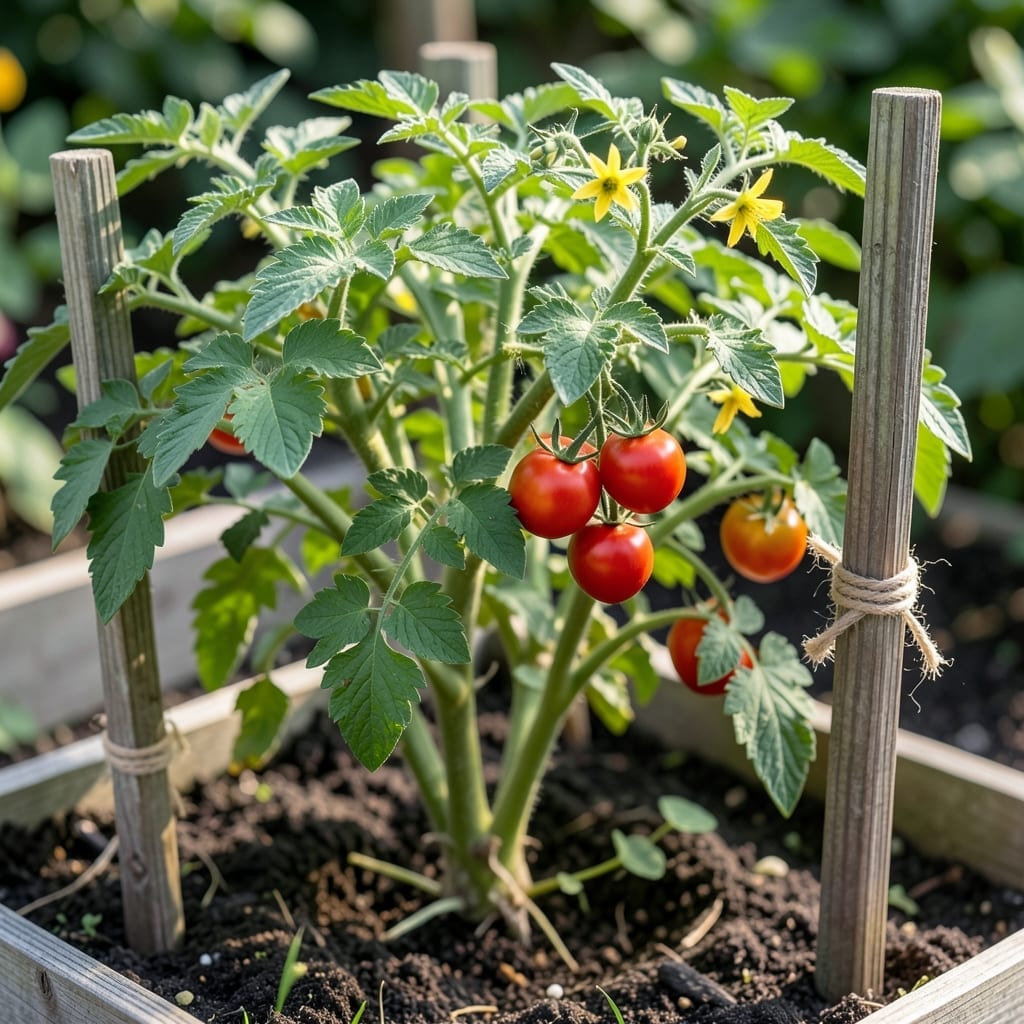
Tomatoes are not cold hardy and can be damaged or killed by frost. Most varieties tolerate temperatures down to 32°F but thrive best above 50°F at night and 70-85°F during the day.
I’ve learned that even a light frost can cause serious damage because the water in plant cells freezes and expands, rupturing cell walls. 🔥 Heirloom varieties often have slightly better cold tolerance than hybrids, but none can survive prolonged freezing conditions. That’s why I always recommend monitoring overnight temperatures closely when growing tomatoes in cooler climates.
💡 In This Article
The science behind tomato cold sensitivity lies in their tropical origins. These plants evolved in warm climates, developing thin cell walls that rupture when ice crystals form inside. At 32°F, frost causes intracellular freezing that damages tissues, while temperatures below 50°F slow photosynthesis and stunt growth. 🔥
Different tomato varieties show varying cold tolerance. Cherry tomatoes often handle 40°F better than large beefsteaks, while some heirlooms like ‘Stupice’ can survive brief dips to 35°F. Most commercial hybrids begin showing stress below 55°F, with purple leaf discoloration as an early warning sign.
What most gardeners don’t realize is that soil temperature matters as much as air temperature. Roots stop absorbing nutrients below 50°F, causing nutrient deficiencies even if the foliage appears healthy. The ideal soil temperature for active growth is 60-85°F, which is why early spring plantings often struggle.
Cold damage isn’t always immediate. Cells may appear intact after a light frost, but the damage becomes evident within 24-48 hours as tissues collapse. This delayed reaction often tricks gardeners into thinking their plants survived, only to find them wilted and blackened days later. ✨
For optimal production, tomatoes need consistent warmth. The enzymes responsible for fruit development work best between 70-85°F. When temperatures drop below this range, you’ll notice slower ripening and smaller fruits, as the plant diverts energy to survival rather than reproduction.
Most tomato varieties can survive brief exposure to 32°F, but sustained cold below 50°F slows growth. Frost will kill them, as ice crystals rupture their tropical-adapted cells.
Only with protection. Use cloches or row covers to trap heat, and wait until nighttime temperatures stay above 50°F. Planting too early often leads to stunted growth.
Yes! Heirlooms like ‘Stupice’ or ‘Siberian’ can briefly handle 35°F. Cherry types often outlast large beefsteaks, but none survive hard freezes.
Look for wilted, blackened foliage within 24-48 hours. Cold damage isn’t always immediate—healthy-looking plants may collapse as damaged cells die.