
Beautiful Plants For Your Interior
Beautiful Plants For Your Interior
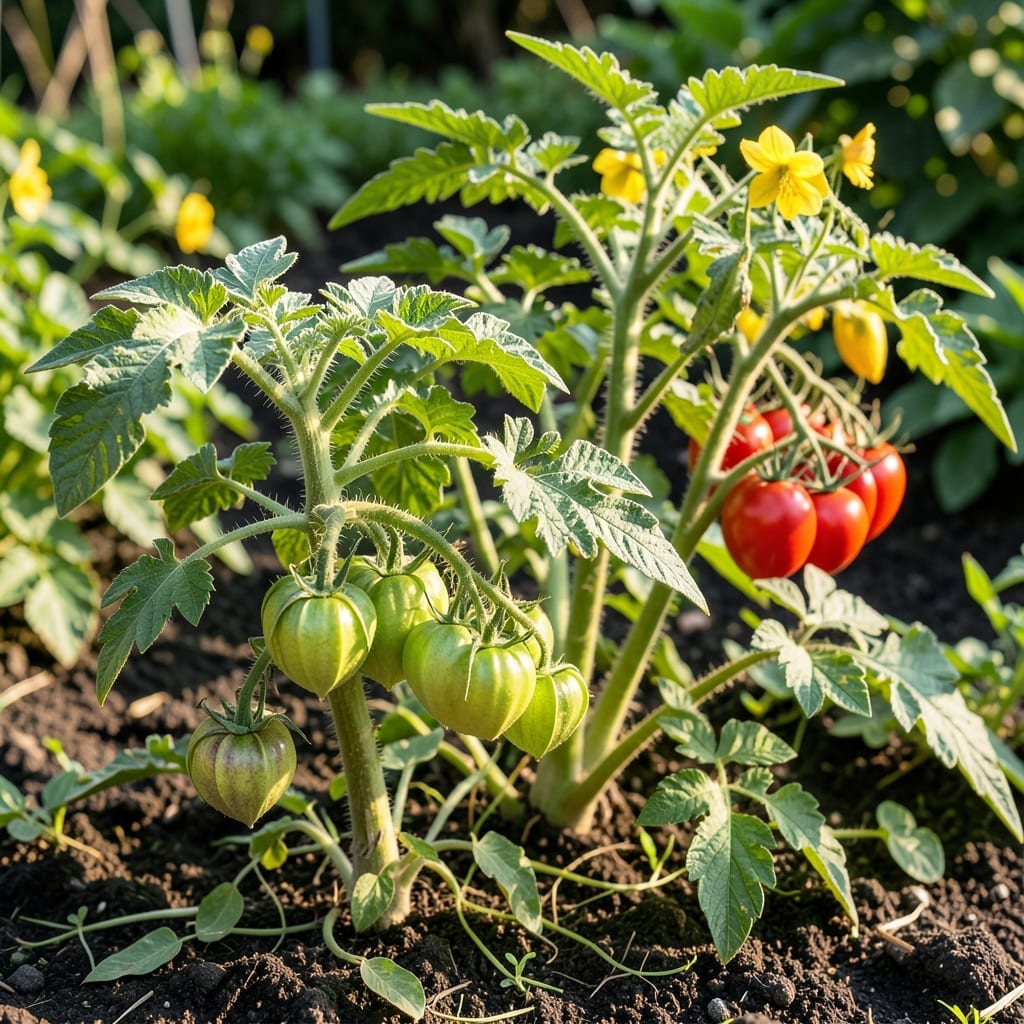
Yes, tomatillos are close botanical relatives of tomatoes, both belonging to the nightshade family (Solanaceae) and the Physalis genus, though they differ in appearance and flavor.
What makes this relationship fascinating is their shared evolutionary path, yet distinct culinary roles. 🔥 Tomatillos develop that characteristic husk as they mature, while tomatoes grow exposed on the vine. I’ve noticed tomatillos bring a bright, citrusy tang to dishes that tomatoes can’t quite replicate, even though they share 90% of their genetic makeup.
💡 In This Article
Both tomatillos and tomatoes belong to the Solanaceae family, commonly known as the nightshade family. This large plant group also includes potatoes, eggplants, and peppers. Within this family, tomatillos and tomatoes share the Physalis genus, which is why they’re considered close botanical cousins.
The genus Physalis is characterized by its unique lantern-like calyx that encloses the fruit as it develops.
Genetic studies reveal that tomatillos and tomatoes share approximately 90% of their DNA. This high degree of similarity explains why they have comparable growth habits, such as their vining nature and similar leaf structures.
The evolutionary divergence between the two likely occurred millions of years ago, with tomatillos developing their distinctive husk as an adaptive trait to protect the fruit from pests and harsh environmental conditions. 🔥
The scientific name for tomatillo is Physalis philadelphica (or Physalis ixocarpa), while the common tomato is Solanum lycopersicum. Despite belonging to different genera within the same family, this classification places them closer to each other than to other nightshades like potatoes (Solanum tuberosum).
This close relationship is evident in their similar nutritional profiles, both being rich in vitamins A and C.
What sets them apart at the species level are the distinct fruit structures. Tomatillos develop within a papery husk called a calyx, which is actually a modified leaf. Tomatoes, on the other hand, grow exposed on the vine.
This difference in fruit presentation is one of the most visible signs of their evolutionary specialization, even as they maintain their genetic similarities. ✨
The chromsome count offers another layer of insight. Both tomatillos and tomatoes are diploid, meaning they have two sets of chromosomes. However, tomatillos have 24 chromosomes while tomatoes have 24 as well, but arranged differently. This chromosomal similarity further supports their close relationship while explaining some of their distinct characteristics.
The husk is actually a modified leaf called a calyx, which protects the fruit from pests and harsh weather. It’s one of the key differences that evolved as tomatillos diverged from tomatoes. The husk also helps you know when they’re ripe—it splits open when ready.
While they’re related, their flavors differ significantly. Tomatillos have a bright, citrusy tang that works best in salsa verde or Mexican dishes. For recipes needing sweetness, stick with tomatoes—substituting may alter the intended taste.
Both thrive in full sun and well-draining soil, but tomatillos need 2-3 feet of space between plants. They’re also more drought-tolerant once established. Tomatoes often require staking, while tomatillos grow bushier and may need light pruning.
Both are rich in vitamins A and C, but tomatillos generally contain more fiber and vitamin K. They also have fewer calories per gram than tomatoes. The husk doesn’t affect edibility—just remove it before cooking.