
Beautiful Plants For Your Interior
Beautiful Plants For Your Interior
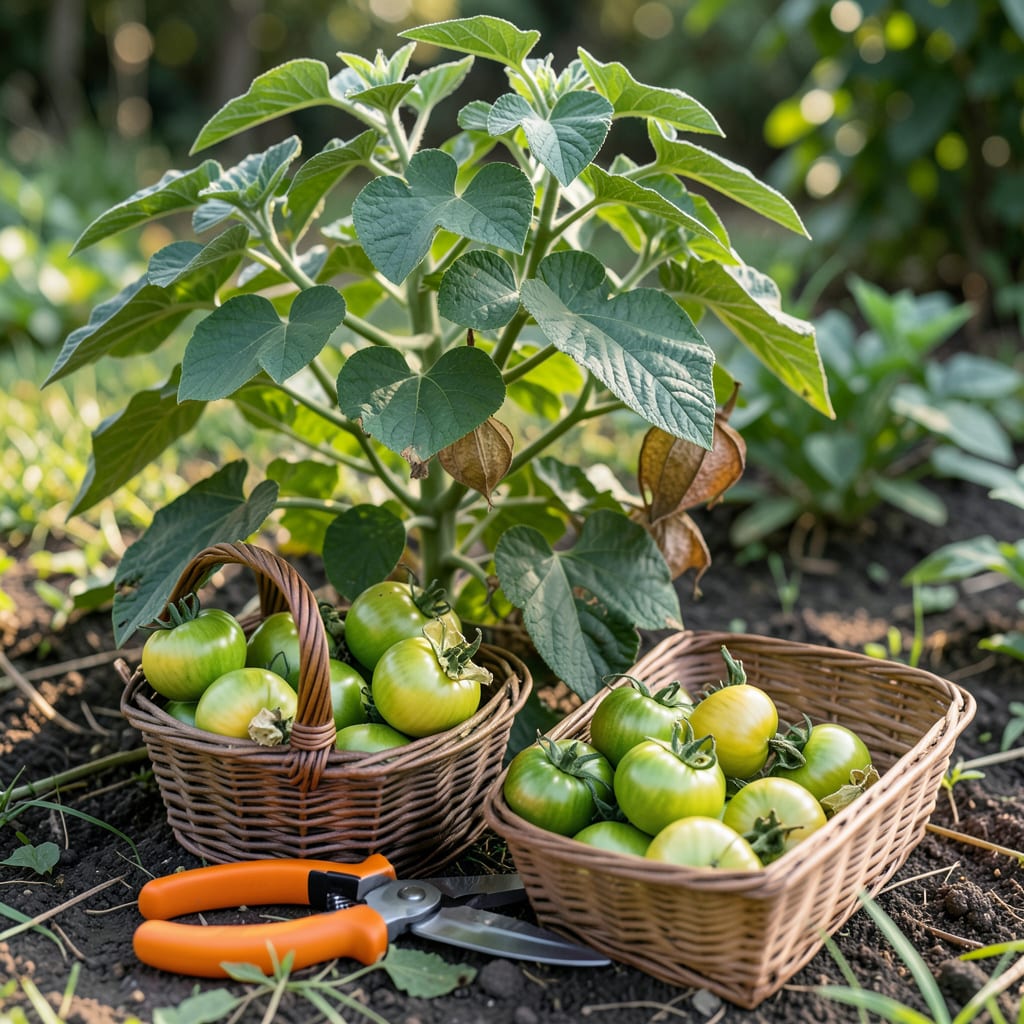
Picking tomatillos at the perfect time can be tricky with their unique paper lantern husks. Don’t let their disguise fool you into missing the best flavor window.
I’ll show you the subtle signs to spot when your 🍅 Tomatillo is ready. From husk color to fruit firmness, these cues ensure you harvest at peak ripeness every time.


Timing your tomatillo harvest perfectly starts with observing the paper husk. When it changes from green to tan or brown, that’s your first clue the fruit inside may be ready for picking.
The husk should feel dry and papery, not green and tight. This transformation signals the fruit is maturing, but we need to check further to confirm it’s truly ripe.
🌱 Tomatillo Ripeness Indicators
| Sign | What to Look For |
|---|---|
| Husk Color | Turns brown or tan |
| Fruit Fill | Fills the entire husk |
| Fruit Color | Changes to yellow, purple, or red |
| Husk Texture | Becomes dry and papery |
| Fruit Firmness | Feels firm to touch |
Don’t be fooled by a brown husk alone. The fruit inside must also feel plump and firm when gently squeezed through the husk. This confirms it has reached proper size.
The color change is another reliable indicator. Most varieties turn from bright green to yellow, though some may develop purple or red hues when fully ripe.
I’ve found that natural husk splitting often occurs when tomatillos are at their peak. This is nature’s way of telling you the fruit is ready to be picked and enjoyed.
Remember that size matters too. A ripe tomatillo typically measures 1.5 to 2 inches in diameter, though this can vary slightly by variety.
The weight test can be surprisingly effective. A ready tomatillo will feel heavy for its size when cradled in your hand, indicating it’s full of juice and flavor.
If you notice the husk beginning to split open on its own, this is often the clearest sign. The fruit is essentially bursting out of its protective covering, signaling it’s time to harvest.
For the best results, I recommend checking your plants every 2-3 days as they approach maturity. Tomatillos can go from perfectly ripe to overripe surprisingly quickly, especially in warm weather.
With these visual cues in mind, you’ll never miss the perfect harvest window for your tomatillos again. 🌱
While visual signs are important, I always recommend doing a hands-on ripeness test before harvesting. The gentle squeeze test is my go-to method for confirming tomatillo readiness through the husk.
When the fruit feels firm and plump with slight give, it’s typically at peak ripeness. Avoid picking if it feels rock hard or mushy, as these indicate underripe or overripe fruit respectively.
🌱 3 Ways to Test Tomatillo Ripeness
The husk separation check is another reliable method. Carefully peel back the husk to see if the fruit has expanded to fill the space. If there’s still room, leave it on the vine a bit longer.
I find the weight assessment particularly useful for larger tomatillos. A ripe one will feel surprisingly heavy for its size, indicating it’s full of juice and flavor. Compare similar-sized fruits to get a sense of the difference.
Be cautious about harvesting too early. Underripe tomatillos can be bitter and astringent, which affects their use in any preparation. The fruit should have developed its full color and size before picking.
Similarly, waiting too long can result in overripe tomatillos that are soft and mealy. The sweet spot is when all the visual signs align with these physical tests, ensuring optimal flavor and texture. 🌿
Harvesting tomatillos at the wrong time can significantly impact their flavor and texture. Picking them too early often results in a bitter, astringent taste that’s far from ideal.
When harvested too late, tomatillos tend to become soft and mealy, losing the firm texture that makes them so enjoyable. This can affect their usability in any preparation.
🌱 Harvest Timing Effects
✅ Perfect Timing
⚠️ Poor Timing
Underripe tomatillos often have a pale green color and feel small and hard inside their husks. Their flavor hasn’t developed the characteristic tang that makes tomatillos special.
Overripe ones might have split husks and wrinkled skin. While they may still be usable, their texture won’t be as pleasing as those picked at the peak of ripeness.
I’ve learned that even slightly underripe tomatillos can mature off the vine. Simply leave them at room temperature in their husks for a few days to finish ripening. 🌱
Look for a husk that’s turned tan or brown and feels dry and papery. A green husk means it’s not ready yet, even if the fruit looks big.
Only if the fruit inside is firm and fills the husk. If the husk is still tight and green, the fruit is likely underripe and bitter.
Overripe ones feel soft or mushy and may have wrinkled skin. The husk often splits open completely.
Yes! Leave them at room temperature in their husks for a few days. They’ll continue to ripen but won’t be as flavorful as vine-ripened.
