
Beautiful Plants For Your Interior
Beautiful Plants For Your Interior
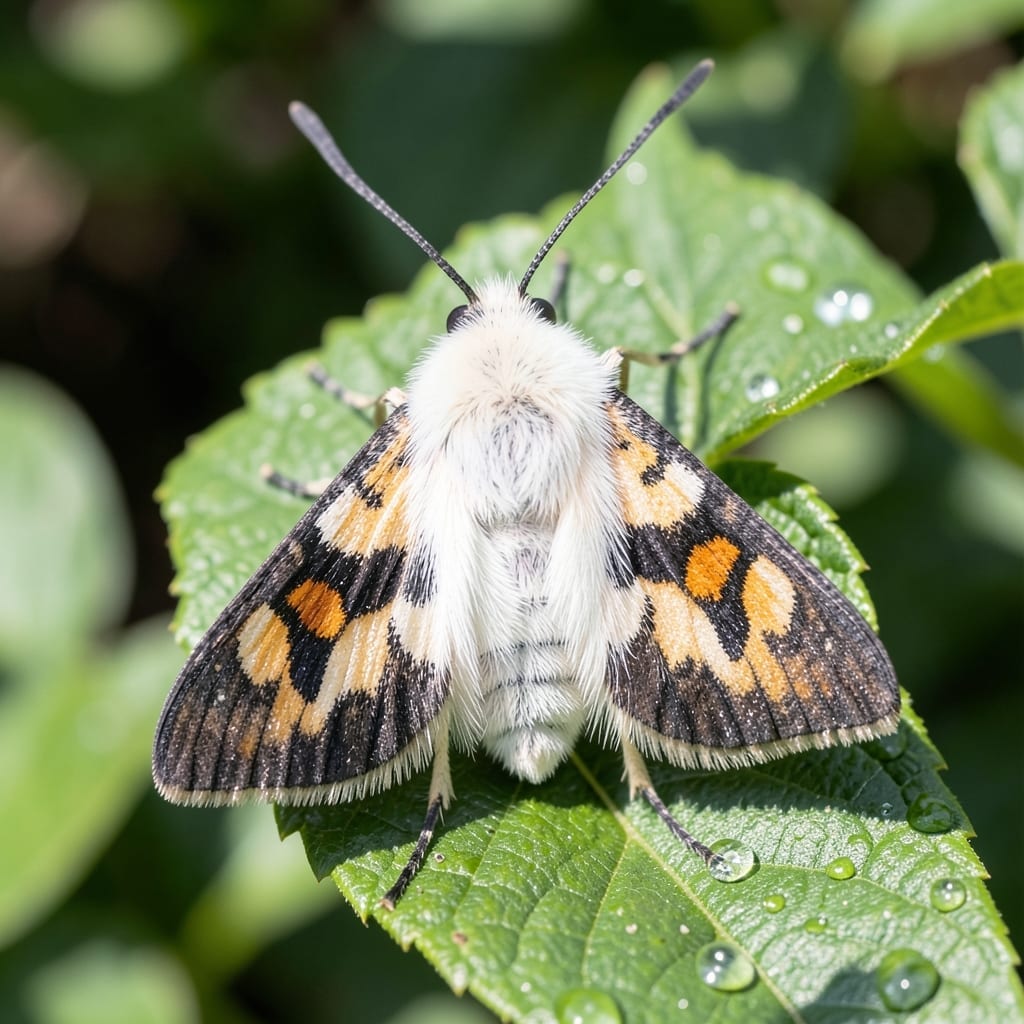
Tiger moths are generally not dangerous to humans. Most species are harmless, though some caterpillars may cause mild skin irritation. Adults lack venom or stingers, posing no direct threat to people or gardens.
These insects rely on clever survival tactics like bright warning colors and ultrasonic clicks to deter predators, not aggression toward people. 🌟 I’ve noticed their fuzzy caterpillars can sometimes trigger mild reactions if touched, but this is rare and easily avoided with basic precautions.
💡 In This Article
Tiger moths use a sophisticated survival toolkit that often gets misinterpreted as aggression. Their bright orange, black, or white patterns aren’t for show—they’re aposematic coloration, a visual warning to predators that they might taste bad or be toxic. This works because many tiger moths sequester chemicals from their host plants as caterpillars, making them unpalatable.
🔥
Some species take defense further by producing ultrasonic clicks at frequencies between 20-150 kHz. These sounds can jam bat echolocation, their primary predator, by creating auditory interference. Scientists have recorded the Bertholdia trigona moth producing clicks at 130 decibels—louder than a rock concert—though human ears can’t detect these high frequencies.
Their fuzzy bodies also play a role. The dense scales and hairs can irritate the mouths of predators, but these same structures rarely affect human skin. The exception is certain caterpillar species like the woolly bear, whose bristles may cause mild dermatitis in sensitive individuals. This reaction typically resolves within 24-48 hours without medical treatment.
✨
What most people mistake for danger is actually their anti-predator display. When threatened, tiger moths may curl their abdomens or expose bright hindwings to appear larger. This startling behavior, combined with their vivid colors, creates an optical illusion of toxicity. In reality, they’re simply trying to survive without harming anyone. 💫
Research shows these defenses are highly effective—90% of bat attacks on clicking moths end in failure. This evolutionary advantage explains why tiger moths thrive in diverse habitats from deserts to rainforests without needing venom or stingers. Their “dangerous” reputation comes from these remarkable survival adaptations, not actual harm to humans.
No, adult tiger moths lack mouthparts for biting and have no stingers. Their primary defenses are visual warnings and ultrasonic clicks, not aggression toward humans.
Some species like woolly bears may cause mild skin irritation due to bristles. This typically resolves within 24-48 hours without treatment. Always wear gloves when handling.
Their vivid patterns signal toxicity to predators, even though most are harmless to humans. This evolutionary trick helps them avoid being eaten without needing venom.
Generally no—they pollinate plants and serve as bird food. Caterpillars may eat leaves, but damage is usually minimal. Use natural controls if numbers grow.