
Beautiful Plants For Your Interior
Beautiful Plants For Your Interior
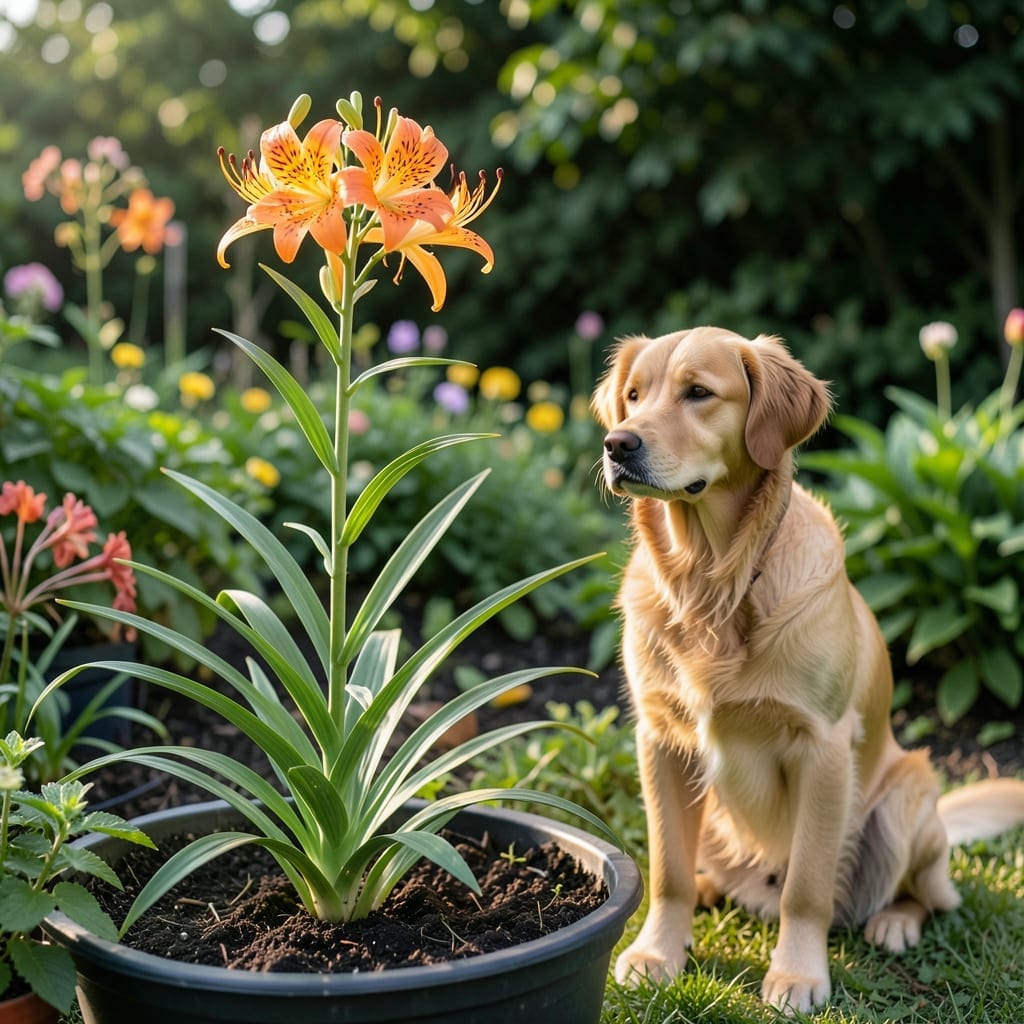
Yes, tiger lilies are highly toxic to dogs. All parts of the plant contain poisonous compounds that can cause severe kidney failure, vomiting, and lethargy if ingested.
I’ve seen cases where even small amounts can trigger serious reactions within 6-12 hours. The toxins interfere with cell division, particularly in the kidneys, which is why immediate action is critical. Even the pollen or water from a vase containing these flowers can be dangerous, so pet owners need to be extra vigilant during growing season. ⚡
💡 In This Article
The primary danger comes from colchicine and insoluble oxalates, two toxins concentrated in every part of the tiger lily, from petals to roots. Colchicine disrupts cell division by binding to tubulin, a protein essential for mitosis. This interference is particularly devastating to rapidly dividing cells, like those in a dog’s kidneys, intestines, and bone marrow.
Oxalates form needle-like crystals that physically damage tissues. When ingested, these crystals embed in the mouth, throat, and digestive tract, causing immediate irritation and swelling. The combination creates a double threat: chemical poisoning from colchicine and physical trauma from oxalates, which can lead to acute kidney failure within 24-72 hours without treatment. ⚡
All plant parts are hazardous, but the bulb contains the highest concentration of toxins. Even small amounts—like chewing a single leaf or licking pollen from fur—can trigger symptoms. Unlike some plants where only certain parts are toxic, tiger lilies offer no safe zones for canine consumption.
What makes these compounds especially dangerous is their persistence. They remain toxic even in dried arrangements or vase water. A dog drinking from a container holding cut tiger lilies can ingest enough toxins to cause severe poisoning, as the compounds leach into the water over time.
The physiological response begins with gastrointestinal distress as the body attempts to expel the toxins. Without rapid intervention, the colchicine continues disrupting cellular processes, while oxalates cause progressive tissue damage. This one-two punch explains why veterinary care is non-negotiable after any exposure. 💫
Early signs like drooling or vomiting can show within 2 hours, but may take up to 12 hours. Kidney failure may develop within 24-72 hours without treatment.
Yes, many true lilies (Lilium spp.) and daylilies (Hemerocallis) contain similar toxins. Avoid all lilies if you have dogs. Always check plant safety with your vet.
Toxins leach into the water, making it dangerous. Even drinking small amounts can cause poisoning. Keep all lily arrangements out of reach.
Even tiny amounts of pollen or plant residue can be harmful. Rinse your dog’s mouth with water and call poison control immediately. Never assume it’s safe.