
Beautiful Plants For Your Interior
Beautiful Plants For Your Interior
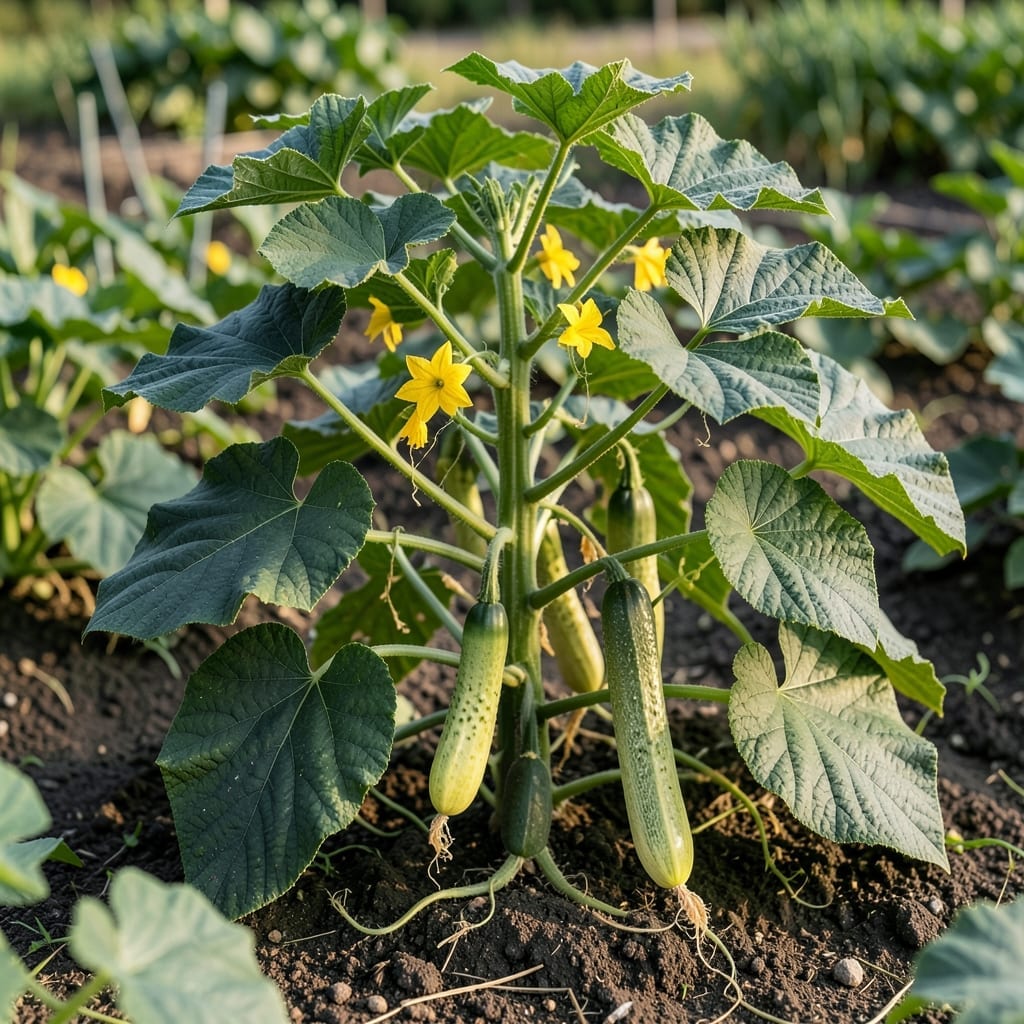
Yes, yellow cucumbers exist as specific varieties like ‘Lemon Cucumber’ or can result from overripeness or certain growing conditions in green cucumber types.
I’ve grown Lemon Cucumbers in my garden—they’re round, pale yellow, and have a mild, slightly citrusy taste that’s surprisingly refreshing. 🔥 Other times, standard green cucumbers turn yellow when left on the vine too long or when they’re stressed by heat or poor nutrition. What’s fascinating is that this color change can actually indicate peak sweetness in some heirloom varieties.
💡 In This Article
The Lemon Cucumber is the most popular naturally yellow variety, easy to spot with its round, pale yellow skin resembling a small melon. It grows to about 2-3 inches in diameter and has a mild, sweet flavor with a thin, tender skin that doesn’t need peeling.
This heirloom variety thrives in hot climates and matures in roughly 60-70 days. 🔥
Another standout is the Yellow Submarine, a Dutch variety that stays uniformly yellow at full maturity. It grows longer—around 12-14 inches—and has a crisp texture with fewer seeds than standard green cucumbers. The Armenian Yard-Long cucumber, often called a snake cucumber, also turns golden-yellow when ripe, offering a ribbed surface and a slightly nutty taste.
These cucumbers develop their yellow color due to different pigment compounds. While green cucumbers contain chlorophyll, yellow varieties have higher levels of carotenoids, the same pigments that make carrots orange. This genetic difference means they don’t turn green even when fully ripe.
The flavor tends to be sweeter because these varieties often have lower levels of cucurbitacins, the compounds that can make cucumbers bitter. ✨
Gardeners love these varieties not just for their unique color but for their disease resistance and productivity. The Lemon Cucumber, for instance, is particularly resistant to powdery mildew, a common issue with traditional cucumbers. They also tend to have a thicker skin, which helps them retain moisture better in dry conditions. 💫
For best results, plant these in well-draining soil with plenty of organic matter and provide consistent moisture, especially during fruit development. Harvest when the skin is uniformly yellow and the fruit feels firm—waiting too long can lead to oversized, seedy cucumbers with tougher skin.
Yes, naturally yellow varieties are completely safe and often sweeter. Overripe green cucumbers that turn yellow may taste bitter but are still edible if not spoiled. Always check for soft spots or mold before eating.
Naturally yellow varieties like Lemon Cucumber have a mild, slightly citrusy flavor. Overripe green cucumbers develop bitterness as seeds mature. The texture stays crisp if harvested at the right time.
Overripe cucumbers feel soft, have dull skin, and may develop large, hard seeds. Naturally yellow varieties maintain firmness and bright color when ripe. Harvest at 2-3 inches for best flavor.
Varieties like Lemon Cucumber or Yellow Submarine thrive in home gardens. Plant in well-draining soil with full sun and consistent moisture for best results.