
Beautiful Plants For Your Interior
Beautiful Plants For Your Interior
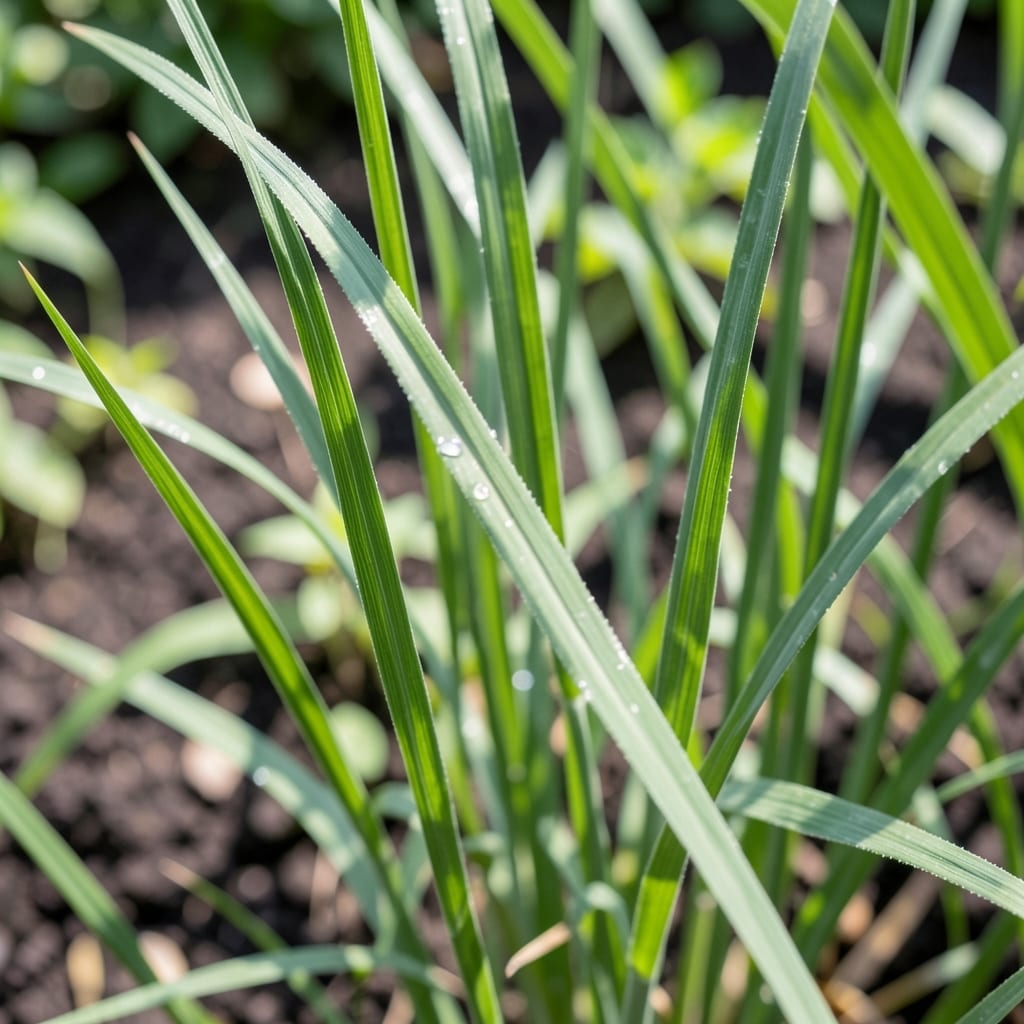
Yes, several plants naturally repel mosquitoes with their strong scents, including citronella, lavender, marigolds, and basil. These contain oils that mask human attractants or deter insects directly.
I’ve seen these work best in outdoor living spaces where airflow carries their fragrance. Citronella is the most well-known, but catnip and rosemary also pack a punch with their natural compounds. 🔥 The key is planting them near seating areas or entryways where mosquitoes tend to gather.
What’s fascinating is how these plants release their oils when brushed against or warmed by the sun. ✨
💡 In This Article
The magic happens in the essential oils these plants produce. Citronella contains citronellal, a compound that disrupts mosquitoes’ ability to detect human scent. Similarly, lavender releases linalool, which interferes with their sensory receptors, making it harder for them to locate hosts. These oils evaporate into the air, creating an invisible barrier that mosquitoes avoid. 🔥
For maximum effectiveness, the oils need to be released consistently. This happens naturally when plants are brushed against or warmed by sunlight. Marigolds emit their repellent compounds more strongly in full sun, while basil releases its oils when leaves are disturbed.
The concentration of these oils is highest during warm, sunny days, making them most effective in these conditions. ✨
What most people don’t realize is that these plants don’t kill mosquitoes—they simply make your garden less attractive to them. The scent masks the carbon dioxide and lactic acid we emit, which are primary attractants for these insects.
Planting them near seating areas or doorways creates a protective zone where mosquitoes are less likely to linger. 💫
However, effectiveness depends on proper placement and quantity. A single citronella plant won’t protect your entire yard. You’ll need multiple plants spaced 3-4 feet apart to create a sufficient scent barrier. Also, these plants work best in still air—wind can disperse the oils too quickly, reducing their repellent effect. ⚡
The science behind this is well-documented. Studies show that catnip contains nepetalactone, which is about 10 times more effective than DEET at repelling mosquitoes. This compound affects mosquitoes’ smell receptors, making them avoid the area entirely. The effect lasts for 2-3 hours after the leaves are crushed. 🌟
Plant them 3-4 feet apart near seating areas or entryways. A single plant won’t protect your whole yard, but a cluster creates an effective scent barrier.
Both work, but pots can be moved to high-traffic areas. Lemon balm and peppermint thrive in containers, while bee balm prefers garden beds.
For crushed leaves like catnip, the effect lasts 2-3 hours. Continuous scent release happens naturally with warmth and movement.
Yes, but effectiveness is limited. Place potted basil or rosemary near windows. Their oils work best in still air, so keep them away from fans.
Catnip contains nepetalactone, which studies show is about 10 times more effective than DEET. Crush its leaves to release the strongest scent.