
Beautiful Plants For Your Interior
Beautiful Plants For Your Interior
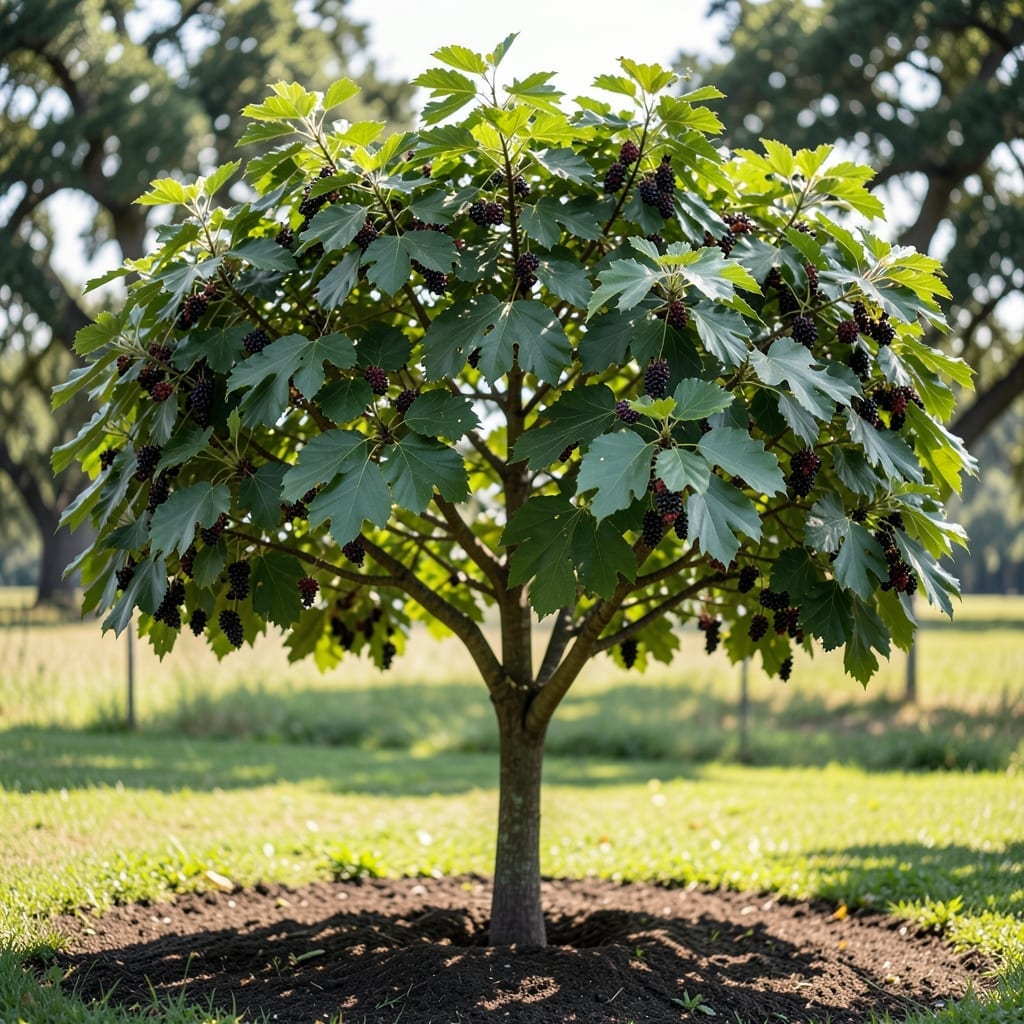
Yes, mulberry trees are dioecious, meaning individual trees are either male or female. Male trees produce pollen, while female trees bear fruit after pollination.
This reproductive separation means you’ll need both types nearby for fruit production. In my experience, female trees are the stars of the show if you’re after those delicious berries, but they do require pollination from male trees within range. The biology here is fascinating because it ensures genetic diversity in the species. 🌟
💡 In This Article
Mulberry trees exhibit a reproductive strategy called dioecy, where male and female flowers appear on separate plants. Male trees produce catkins—long, slender clusters that release pollen containing the male gametes. These structures lack pistils entirely, focusing all energy on pollen production for wind dispersal. 🔥
Female trees develop different flowers with pistils but no stamens, designed to receive pollen. Once pollinated, their ovaries swell into the familiar berry-like fruits we harvest. The flowers are typically smaller and less showy than male catkins, as their role is fruit development rather than pollen distribution.
The pollination process relies entirely on wind currents. Male catkins release their pollen in early spring, often before leaves emerge, creating optimal conditions for wind to carry the grains to female flowers. This timing ensures maximum pollination efficiency when trees are most receptive.
What makes this system fascinating is its evolutionary advantage. By separating sexes, mulberry trees prevent self-pollination, which increases genetic diversity. This leads to stronger offspring with better disease resistance and adaptability. The trade-off is that female trees will only produce fruit if male trees are within 100-200 feet for effective pollination. ✨
You can identify male trees by their lack of fruit production and more robust catkin displays. Female trees, when unpollinated, may produce small, seedless fruits that typically drop prematurely. This visual distinction becomes most apparent during the spring flowering period when both types display their reproductive structures simultaneously.
In cultivated settings, the ratio of male to female trees matters. Orchards often maintain 1 male tree for every 5-8 female trees to ensure adequate pollination. This balance prevents pollen scarcity while maximizing fruit yield from the more valuable female specimens. 💫
Look for flowers in spring. Male trees have long, dangling catkins, while female trees have smaller, less showy blossoms. Female trees will produce fruit if pollinated.
Young trees may take 2-3 years to flower, so patience is key.
Yes, female trees require pollen from male trees to produce fruit. Plant at least 1 male within 200 feet of every 5-8 females for best results.
Some modern cultivars are self-fertile, so check labels when buying.
Male trees provide shade without messy fruit drop. They’re also lower maintenance and less likely to attract pests targeting berries.
They’re essential for pollinating female trees in your orchard.
No, the sex is genetically determined and remains fixed for the tree’s lifetime. What you plant is what you get.
If buying from seed, you’ll have a 50% chance of either.