
Beautiful Plants For Your Interior
Beautiful Plants For Your Interior
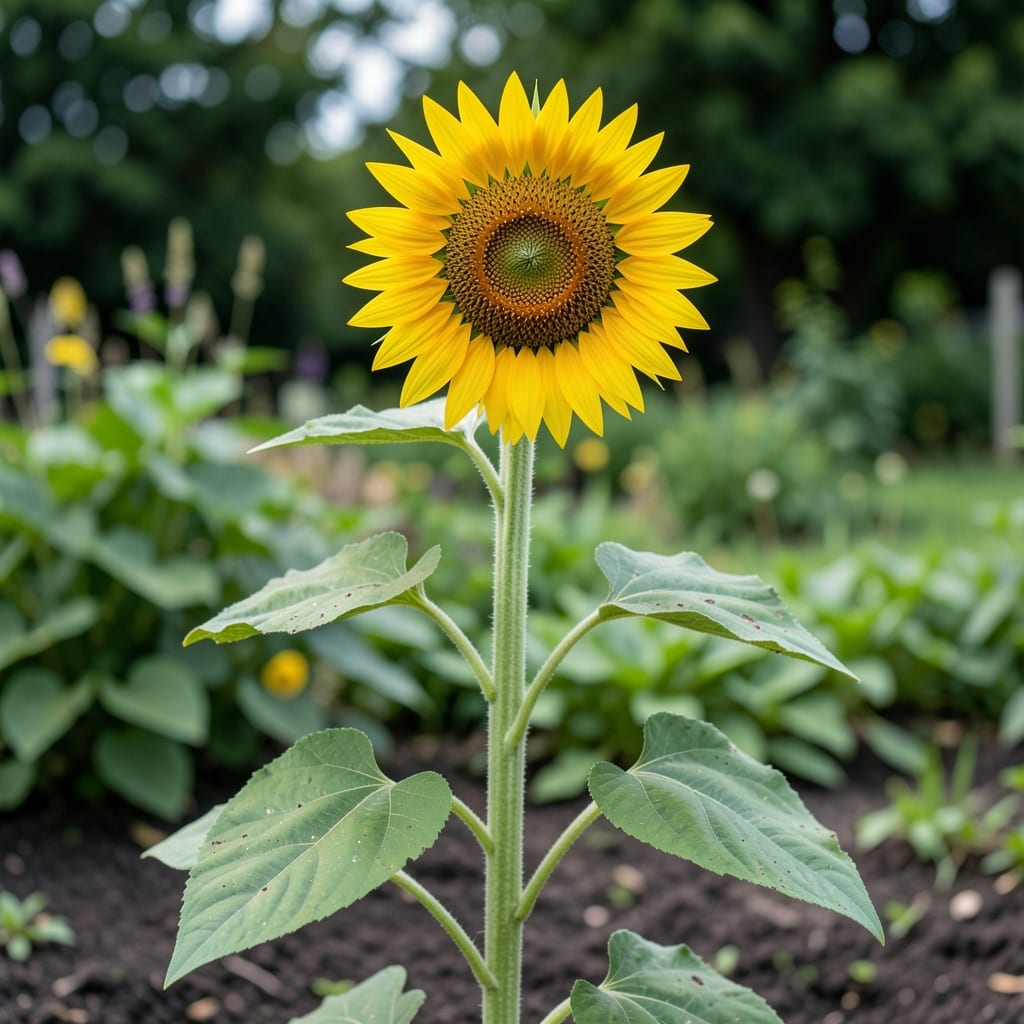
Sunflowers can be wildflowers in their native form, but most garden varieties are cultivated hybrids. True wild sunflowers grow naturally in open areas across North America.
I find it fascinating that native sunflower species like Helianthus annuus thrive in prairies and roadsides without human intervention. These hardy plants develop deeper roots and smaller seed heads than their garden counterparts. 🌟
What sets them apart is their ability to self-seed and adapt to harsh conditions, making them a favorite for pollinator gardens. I always recommend planting native varieties if you want to support local ecosystems.
💡 In This Article
The native Helianthus annuus you spot along roadsides differs dramatically from garden varieties. Wild types grow 6-10 feet tall with multiple smaller blooms, while cultivated hybrids top out at 5-8 feet with a single massive flower head. This happens because selective breeding prioritizes uniform size and seed production over natural adaptation. 🌟
Wild sunflowers produce seeds with thicker shells, a survival mechanism against harsh weather and hungry critters. Cultivated seeds, however, have thinner shells for easier human consumption. The oil content also varies: wild seeds contain about 25-30% oil, while commercial hybrids reach 40-50% through careful genetic selection.
Root systems tell another story. Wild sunflowers develop extensive taproots that dive 4-6 feet deep, accessing water from far below. Garden varieties focus energy upward, creating shorter roots that spread 1-2 feet wide. This makes wild types more drought-resistant but harder to transplant successfully.
Habitat preferences reveal their true nature. Native sunflowers thrive in disturbed soils like prairies and riverbanks, often growing in poor, dry conditions. Cultivated types demand richer soil and consistent watering to achieve their signature size and bloom quality. The wild versions simply don’t need our help to flourish. ✨
Pollination strategies differ too. Wild sunflowers attract a diverse array of native bees and butterflies with their open pollen structures. Commercial varieties often have tightly packed florets that limit access to all but the most determined pollinators, reducing biodiversity in the process.
Yes! Native species like Helianthus annuus thrive in prairies and roadsides without cultivation. These wild types self-seed and adapt to harsh conditions.
Wild varieties grow 6-10 feet tall with multiple small blooms. Garden hybrids are shorter with one large flower head due to selective breeding.
Choose native seeds like Helianthus maximiliani. Plant in well-draining soil with full sun, spacing seeds 12-18 inches apart.
Their deep taproots (up to 6 feet) access water far below the surface. This adaptation makes them highly drought-resistant.
Yes! Their open pollen structures attract diverse native bees and butterflies. This supports local ecosystems better than cultivated varieties.