
Beautiful Plants For Your Interior
Beautiful Plants For Your Interior
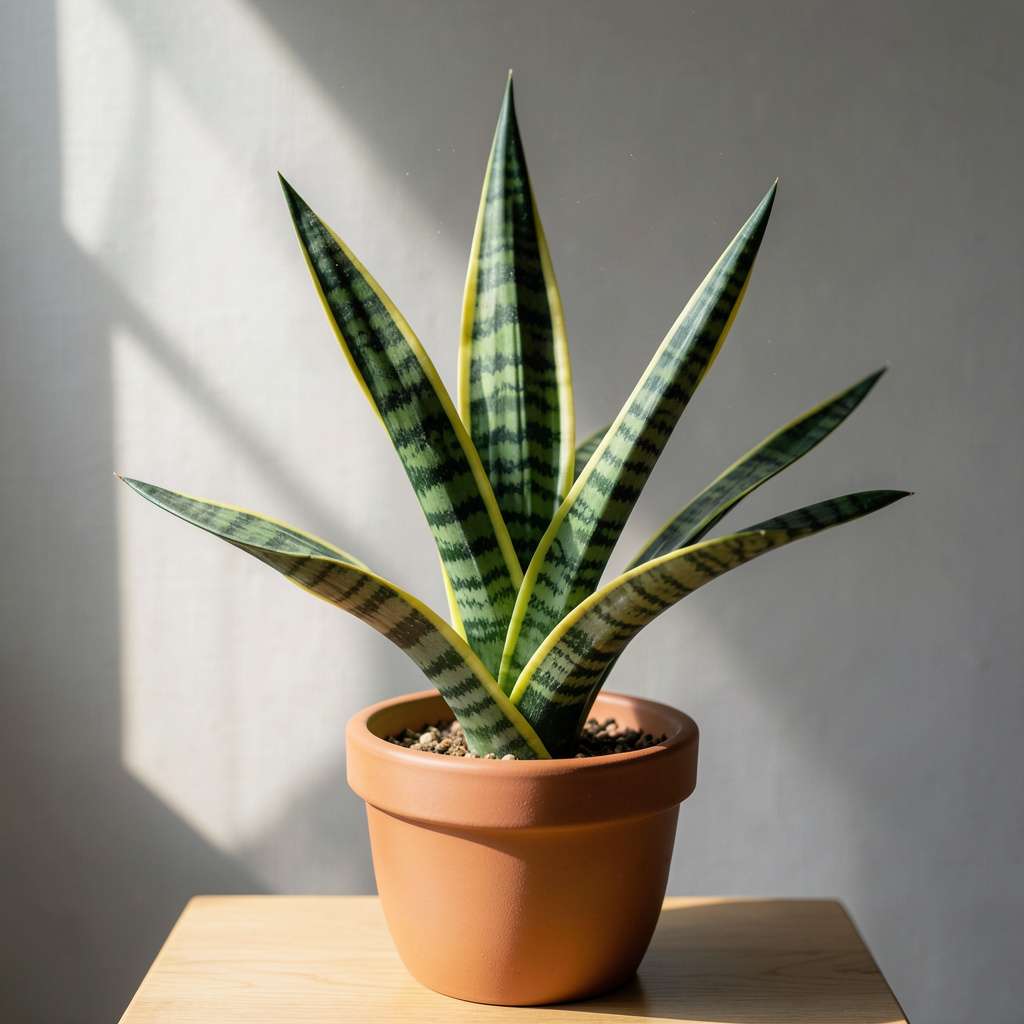
Yes, snake plants are classified as succulents due to their thick, water-storing leaves and drought resistance. They share key traits with succulents like low maintenance and tolerance for neglect.
What I find fascinating about snake plants is their unique adaptation to store moisture in their leaves, which allows them to thrive in various environments. 🌱 Unlike typical cacti, they belong to a different family but still exhibit similar drought-resistant qualities. This makes them perfect for beginners and busy individuals who may forget to water regularly.
In my experience, these plants not only add beauty to any space but also improve indoor air quality, making them a great choice for homes and offices alike. 🏡 They’re resilient and can handle neglect, making them a favorite among plant enthusiasts!
💡 In This Article
The classification of snake plants as succulents hinges on their unique leaf structure. These plants possess thick, fleshy leaves that store water, allowing them to survive in arid conditions. This adaptation is crucial for drought resistance, enabling them to thrive even with minimal care. 🌿
Interestingly, the water-storing ability in snake plants is a survival mechanism known as crassulacean acid metabolism (CAM). During the day, they close their stomata to reduce water loss and open them at night to absorb carbon dioxide. This process is efficient and is shared by many succulents, which further cements their classification in this category.
💧
Unlike true cacti, which belong to the family Cactaceae, snake plants are part of the Asparagaceae family. While both types have adaptations for water retention, snake plants do not possess the spines characteristic of cacti. This botanical distinction highlights how various plants can adapt to similar environmental challenges while evolving along different paths. 🌵
Understanding these differences can help plant enthusiasts appreciate the versatility of snake plants. They provide a unique blend of aesthetic appeal and practical care requirements, making them an ideal choice for both novice and experienced gardeners. Their drought tolerance means they can be left unattended for longer periods without adverse effects. 🌟
For those looking to cultivate snake plants, knowing their succulent nature is key. These plants prefer a well-draining soil mix, typically composed of potting soil blended with sand or perlite. This ensures that excess moisture can escape, preventing root rot—a common issue for overwatered plants. 🪴
In summary, the classification of snake plants as succulents reflects their remarkable adaptations to conserve water and thrive in less-than-ideal conditions. This makes them not only resilient but also a beautiful addition to any indoor space, enhancing both aesthetics and air quality. 🌈
