
Beautiful Plants For Your Interior
Beautiful Plants For Your Interior
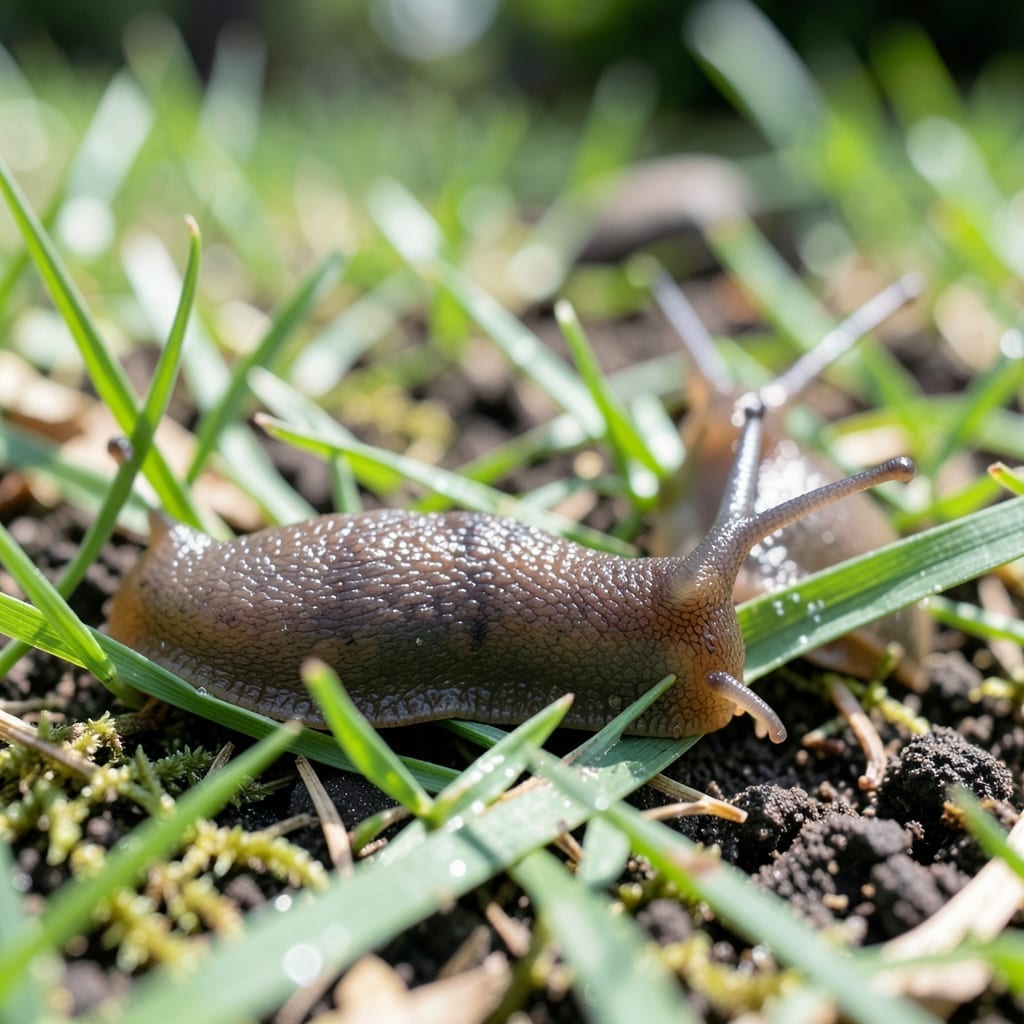
Slugs can harm lawns by feeding on grass, creating irregular holes and silvery slime trails. They thrive in damp conditions and often target young, tender plants.
I’ve seen firsthand how these pests can turn a lush lawn into a patchwork of damage overnight. 💫 Their feeding habits leave behind jagged edges on grass blades, unlike the clean cuts from lawnmowers. What’s more, their slime trails not only look unsightly but can also attract other pests, compounding the problem in moist environments.
💡 In This Article
Slugs use their rasping mouthparts to scrape away at grass blades, leaving behind ragged, irregular holes. This feeding method differs from caterpillars or beetles, which often create cleaner cuts. The damage appears most severe during cool, wet nights when slugs are most active, consuming up to 50% of their body weight in plant material.
What makes their presence obvious are the silvery slime trails they leave behind. These tracks are actually mucus secretions that help slugs move efficiently while protecting their soft bodies from drying out. The trails can stretch for several feet and often become more noticeable on concrete or pavers surrounding your lawn. 🌟
These pests thrive in environments with 70-90% humidity, making overwatered lawns or areas with poor drainage prime targets. They prefer tender new growth, often targeting grass seedlings, hostas, and marigolds. A single slug can lay 20-100 eggs in moist soil, leading to rapid population growth if conditions remain favorable.
You’ll typically find the worst damage in shaded areas where moisture lingers longest. Early morning inspections often reveal slugs still feeding on grass blades. Their preference for young plants means newly seeded lawns are particularly vulnerable, with damage sometimes mimicking that caused by drought or disease. ✨
Unlike some pests that burrow underground, slugs operate on the surface, making their damage visible immediately. The irregular patterns they create can weaken grass, making it more susceptible to disease. In severe infestations, they may consume entire seedlings overnight, leaving bare patches in your lawn.
Slugs leave behind shiny, silvery mucus trails that look like thin, winding lines. These appear on grass, pavers, or garden beds and are most visible in morning light.
They feed primarily at night or during cool, damp mornings. Check your lawn after rain or heavy watering when humidity is 70-90%. Their damage often appears overnight.
Slug damage creates irregular, ragged holes in grass blades. Unlike caterpillars or beetles, they leave visible slime trails and prefer tender new growth over mature plants.
They love young, tender plants like hostas, marigolds, and new grass seedlings. These are most vulnerable because slugs can consume up to 50% of their body weight in plant material nightly.