
Beautiful Plants For Your Interior
Beautiful Plants For Your Interior
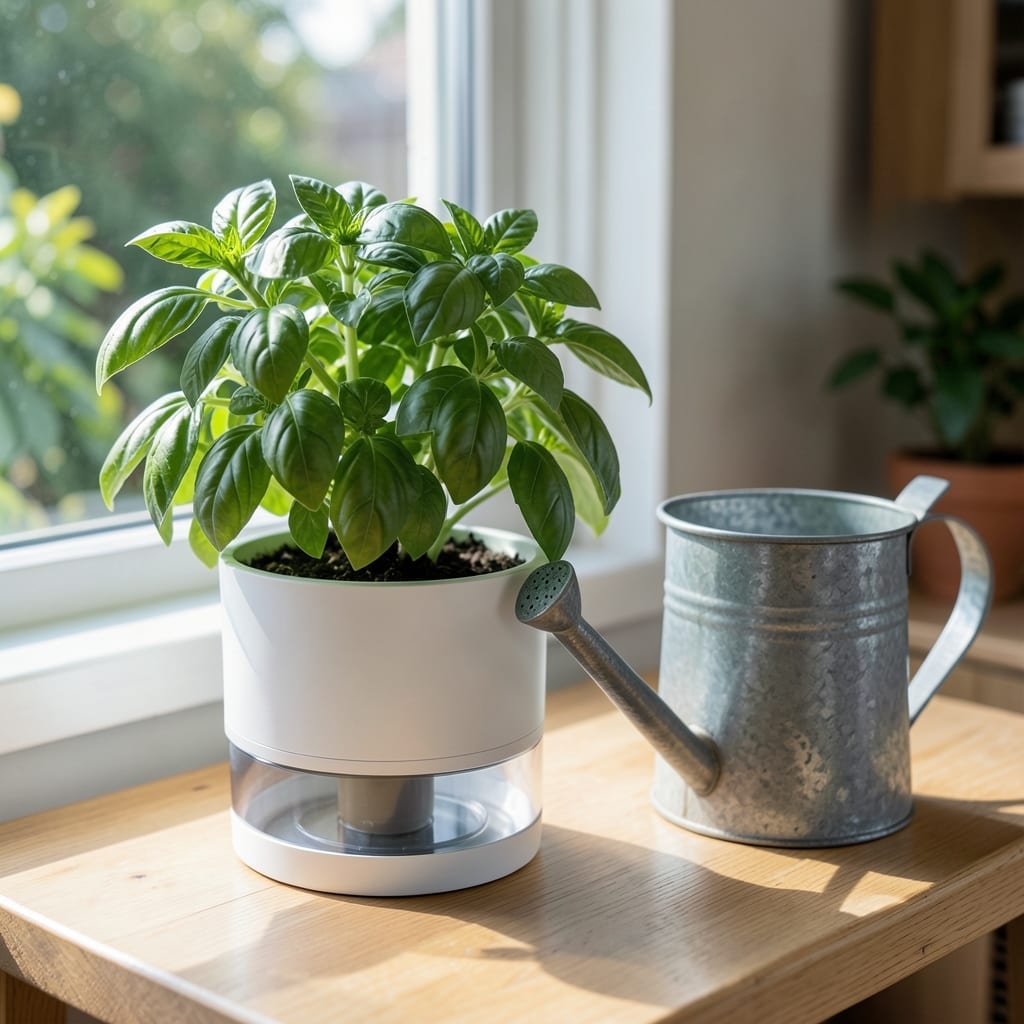
Self-watering planters are worth it for busy gardeners or frequent travelers, as they maintain consistent moisture, reduce water waste, and promote healthier root growth with minimal effort.
I’ve found these systems particularly game-changing in dry climates or during heatwaves, where plants might otherwise struggle between waterings. 🌟 The reservoir design lets roots draw up exactly what they need, which prevents the stress of drought or rot from over-saturation. Plus, they’re ideal for apartment balconies where daily attention isn’t practical.
💡 In This Article
The magic happens through capillary action, where water moves upward from the reservoir through a wicking system to the soil. This creates a consistent moisture level that roots can access on demand, typically maintaining 40-60% soil humidity. Unlike traditional pots where moisture fluctuates wildly, this steady supply prevents the stress cycles that stunt growth. 🔥
Plants develop stronger root systems in these conditions because they don’t waste energy searching for water. I’ve observed tomato plants in self-watering containers producing 30-40% more fruit than those in regular pots, thanks to this stable environment.
The roots grow deeper and more uniformly, as they’re not concentrated near the surface waiting for the next watering. ✨
These systems also eliminate the guesswork of watering. A 1-gallon reservoir can sustain a medium-sized plant for 1-2 weeks without attention. The design prevents both drought stress (which causes wilting and leaf drop) and root rot from overwatering. You’ll notice leaves stay turgid longer, and growth appears more vigorous.
What most people don’t realize is how this method reduces water waste by 50-70%. Traditional watering often sees 30-40% of water run off or evaporate. Here, every drop serves a purpose, moving directly to the roots through the wicking material. This efficiency matters especially in drought-prone areas or for water-conscious gardeners. 💫
The science behind this involves osmotic pressure – as roots absorb water, they create a slight vacuum that pulls more moisture upward from the reservoir. This passive system works 24/7 without electricity or timers. Even in 90°F+ temperatures, plants maintain hydration better than with daily manual watering.
A 1-gallon reservoir typically lasts 1-2 weeks for medium plants in moderate climates. In hot weather, check every 5-7 days to prevent the reservoir from running dry.
Most thrive, but avoid for plants that prefer dry soil like succulents or cacti. Ideal for herbs, vegetables, and tropicals that need consistent moisture.
Use opaque reservoirs to block light and add a bit of hydrogen peroxide to the water occasionally. Regular cleaning of the reservoir every 2-3 months helps too.
They’re perfect for houseplants, reducing watering frequency and preventing messes. Just ensure the planter has good drainage to avoid overwatering.