
Beautiful Plants For Your Interior
Beautiful Plants For Your Interior
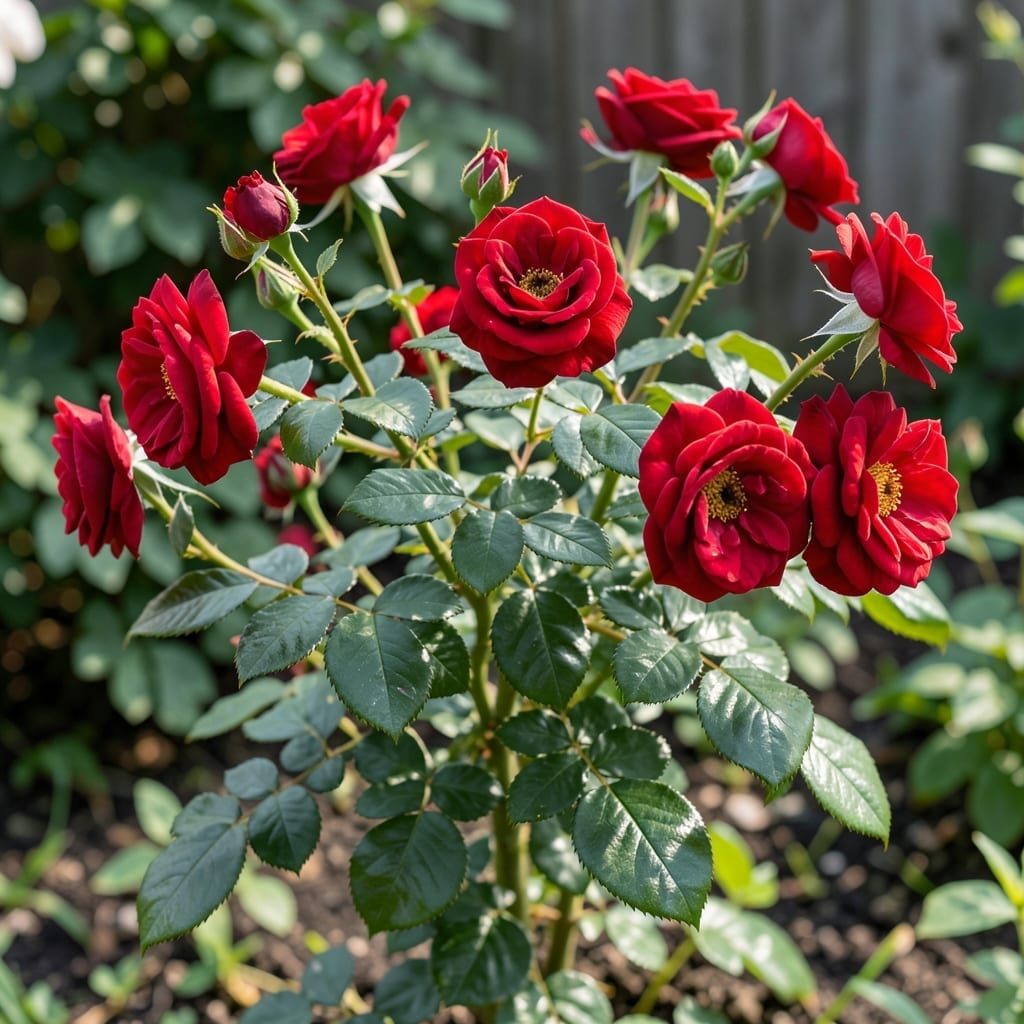
Most roses are perennials, returning year after year in suitable climates. However, their longevity depends on the variety, care, and growing conditions, with some lasting decades while others may need replacement.
I’ve seen heirloom roses thrive for 30+ years with proper care, while some modern hybrids may decline faster in harsh conditions. The key lies in their deep root systems, which store energy for winter survival and spring regrowth. Climate plays a huge role—roses in mild zones often outlast those in extreme cold or heat without protection. ✨
Different types behave uniquely: shrub roses are hardy, climbers may need support, and hybrid teas often require more pampering to reach their full 10-20 year potential. 🌟
💡 In This Article
Roses regrow annually thanks to their woody stems and deep root systems. These structures store starches and sugars during warm months, fueling survival through dormancy. When temperatures drop below 40°F, roses enter a resting phase, preserving energy for spring regrowth. This biological mechanism is why they’re classified as perennials in most climates. 🌟
The root crown—the junction where roots meet stems—is particularly resilient. It can survive freezing temperatures by going dormant, then reactivating when soil warms above 50°F. Different varieties handle this differently: shrub roses often survive down to -10°F, while hybrid teas may need protection below 20°F.
Climbers develop extensive root networks, anchoring them for years of growth. ⚡
What most people don’t realize is that roses also rely on carbohydrate reserves in their canes. During fall, they transport nutrients from leaves to stems and roots. This stored energy allows them to produce new shoots in spring, even if the above-ground growth was damaged by winter.
The thicker the canes, the more energy they can store. ✨
Climate zone plays a crucial role in this cycle. In USDA zones 4-9, most roses thrive as perennials. In colder zones, they may need winter mulching or protective mounds. In hotter zones, they might struggle with heat stress but can still return annually with proper watering.
The key is matching the variety to your climate’s extremes. 💫
Some roses, like old garden varieties, have been documented to live for 100+ years under ideal conditions. Modern hybrids typically last 10-20 years but may decline faster in poor soil or with inadequate care. Their longevity is a testament to how effectively they’ve adapted to survive seasonal changes through these biological strategies. 🔥
Most roses are perennials, but some varieties like miniatures or grafted types may have shorter lifespans. Hardy shrub and old garden roses typically return for 10-20 years or more with proper care.
Harsh winters, poor drainage, or disease can prevent regrowth. In colder zones, lack of winter protection may kill the root crown. Ensure your roses are planted in well-draining soil and receive adequate care.
With good care, hybrid teas can thrive for 10-15 years, but they often need more attention than hardier varieties. Regular pruning, feeding, and winter protection help extend their lifespan.
In USDA zones 7-9, many roses survive without protection. In zones 4-6, mulching or mounding soil around the base is recommended to shield the root crown from freezing temperatures.
Plant in well-draining soil, prune correctly, and provide winter care if needed. Consistent watering and feeding during the growing season also support long-term health and regrowth.