
Beautiful Plants For Your Interior
Beautiful Plants For Your Interior
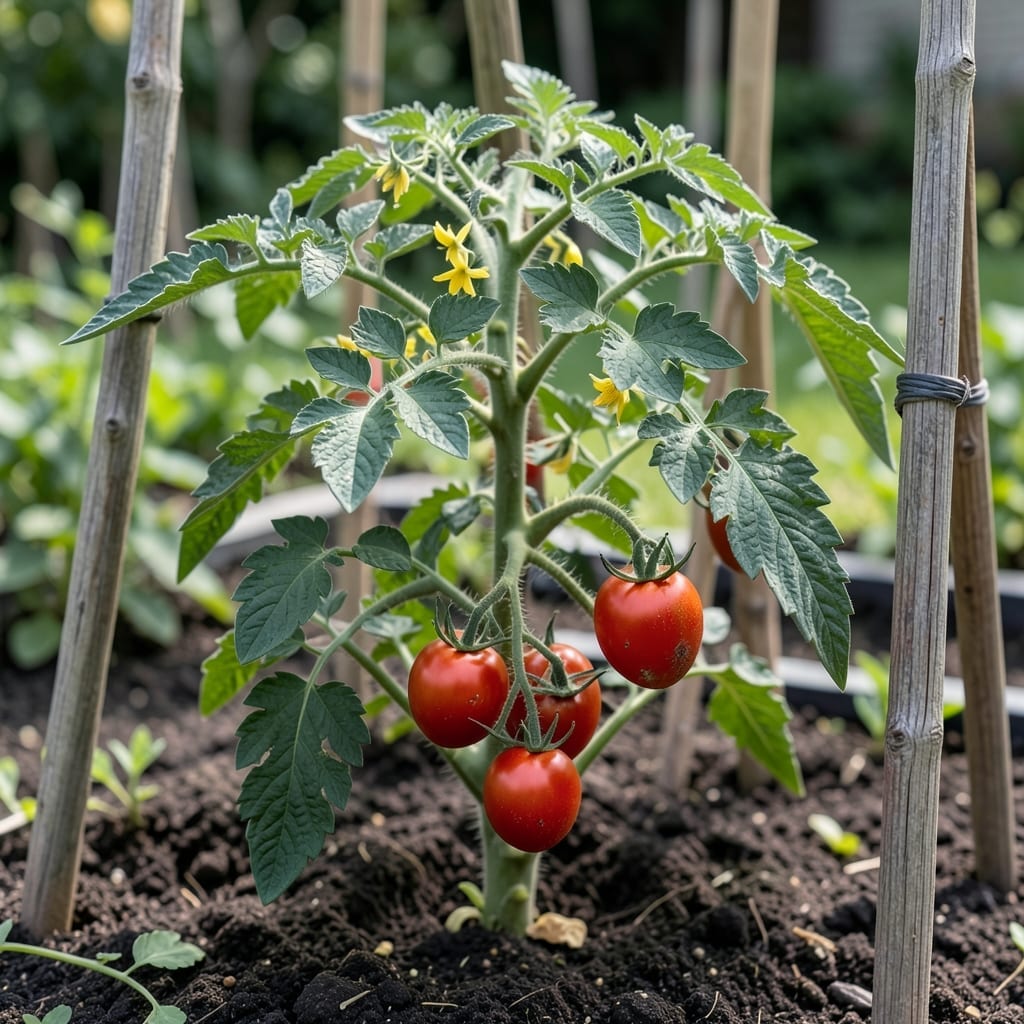
Roma tomatoes originated in Italy, specifically bred in the region around Rome as a paste tomato variety ideal for sauces and canning.
I love how these tomatoes were developed with a clear purpose in mind. The Mediterranean climate near Rome provided the perfect conditions for growing a meaty, low-moisture fruit that cooks down beautifully. 🔥 Their thick walls and few seeds make them especially valued for making rich, concentrated sauces that form the backbone of many traditional dishes.
💡 In This Article
The development of Roma tomatoes began in the early 20th century near Rome, where farmers selectively bred plump, oval-shaped tomatoes. This deliberate breeding focused on creating a variety with thick flesh, minimal seeds, and low water content—perfect for producing rich tomato paste.
The warm, dry Mediterranean climate with its long growing season allowed these traits to flourish. 🔥
Italian agronomists prioritized a tomato that could withstand the region’s intense sunlight while developing concentrated flavors. The result was a fruit weighing 2-3 ounces with a meaty texture that held its shape during cooking. This was a game-changer for canneries, as traditional varieties often turned mushy when processed.
The low acidity (pH 4.3-4.5) also made them ideal for long simmering without breaking down. ✨
What sets Roma tomatoes apart is their genetic adaptation to Italy’s volcanic soil, particularly in the Campania and Lazio regions. These soils, rich in minerals like potassium and phosphorus, contributed to the tomatoes’ robust flavor profile.
Farmers noticed that vines grown in these conditions produced fruits with a deeper red color and more complex taste compared to those grown in other European soils. 💫
The name “Roma” itself pays homage to its place of origin, though it’s worth noting that the variety we know today was later refined in the United States. Early Italian versions were slightly smaller and more elongated, but the core characteristics—thick walls, few seeds, and high pulp content—remained consistent.
This intentional breeding for paste production explains why they’re often called “plum tomatoes” in Italy. ⚡
Today, authentic Italian Roma tomatoes are still grown in the same regions, with some farms using heirloom seeds that trace back over 100 years. The Denominazione di Origine Protetta (DOP) status for San Marzano tomatoes (a close relative) highlights how seriously Italy takes its tomato heritage.
This protected status ensures that only tomatoes grown in specific areas can bear the name, preserving the legacy of Italian tomato cultivation. 🌟
They were developed near Rome as a paste tomato with thick flesh and few seeds, perfect for sauces and canning. The Mediterranean climate provided ideal conditions for these traits to thrive.
Romas are meatier with lower water content, weighing 2-3 ounces each. Their thick walls hold shape during cooking, unlike juicier types that turn mushy.
Yes! They adapt to many climates but need full sun (6-8 hours daily) and well-draining soil. The original Italian volcanic soil gave them their robust flavor.
Their low moisture makes them ideal for sauces, pastes, and canning. Try roasting them to concentrate the sweet, rich flavor even more.