
Beautiful Plants For Your Interior
Beautiful Plants For Your Interior
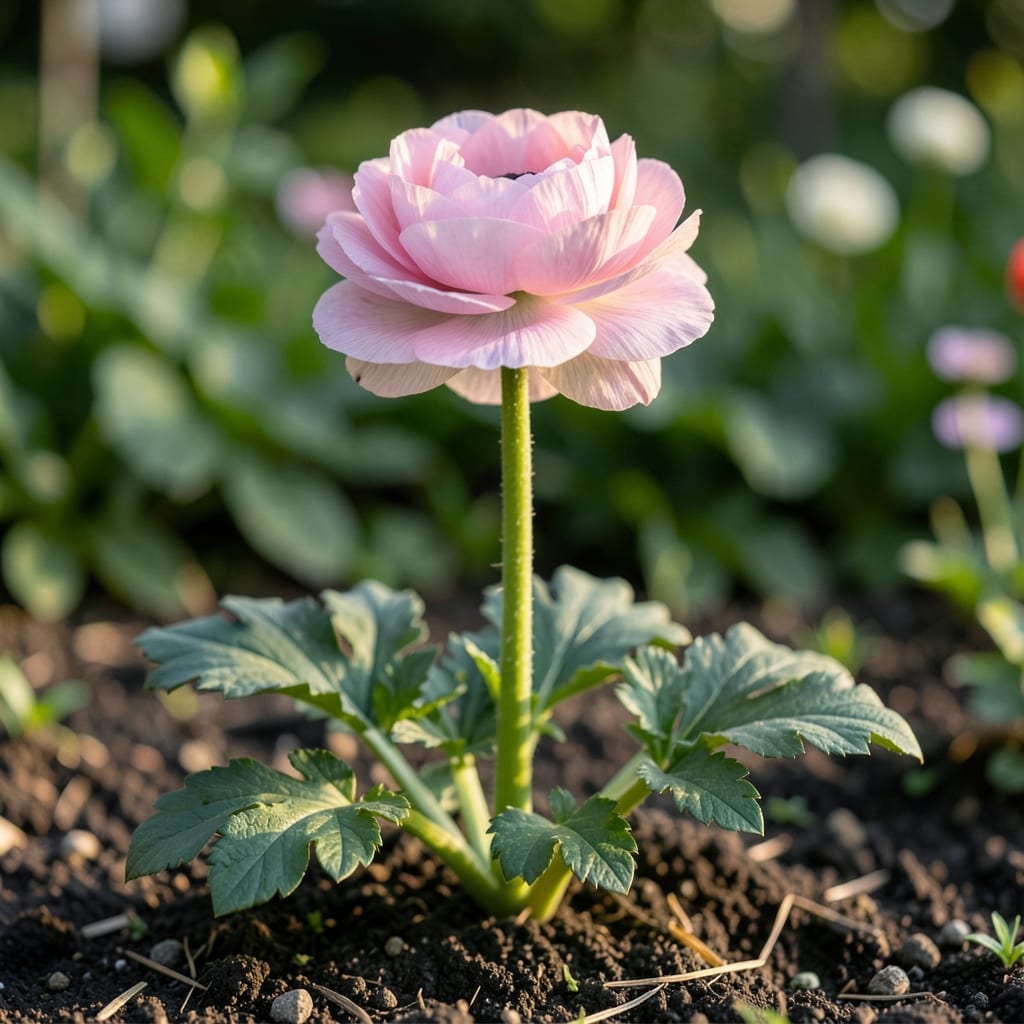
Ranunculus are typically grown as annuals in colder climates but can act as perennials in warm zones where temperatures rarely drop below freezing.
I’ve found these flowers thrive as perennials in USDA zones 8-11, where mild winters let their tubers survive underground. In cooler areas, gardeners treat them as annuals, replanting each spring after frost danger passes. Their ability to naturalize in warm climates makes them a low-maintenance favorite for borders and cutting gardens. ✨
What’s fascinating is how their growth habit shifts with temperature—consistent warmth triggers perennial behavior, while freezing conditions force annual treatment. This adaptability explains their popularity across diverse climates. 🌟
💡 In This Article
The growth cycle hinges on temperature resilience. Ranunculus tubers enter dormancy when soil drops below 25°F, which kills them in freezing climates. In USDA zones 8-11, where winters stay above 20°F, tubers survive underground and regrow each spring. This thermal threshold explains their perennial behavior in warm regions. 🌟
In colder zones, the same tubers cannot endure frost. Gardeners must dig them up before winter or treat them as annuals. The tubers’ inability to tolerate freezing temperatures forces this annual approach. Even a light frost at 28°F can damage emerging foliage. ⚡
What’s fascinating is their adaptability. In borderline zones like 7a-7b, mulching with 4-6 inches of straw can sometimes protect tubers through mild winters. This microclimate management demonstrates how small temperature variations create different growth outcomes. The tubers’ sensitivity to cold is the key factor. ✨
Regional differences become clear when comparing coasts. Pacific Northwest gardeners often succeed with perennials due to maritime influence, while Midwest growers face more frost challenges. These climate variations directly impact whether ranunculus behave as annuals or perennials. 🔥
The science behind this involves tuber physiology. Ranunculus store energy in their corms, which deplete during winter dormancy. In warm zones, they replenish these reserves each growing season. In cold areas, the energy depletion combined with freezing temperatures proves fatal. This biological mechanism explains their growth habit differences. 💫
They will regrow annually in USDA zones 8-11 where winters stay above 20°F. In colder areas, they won’t survive frost and must be replanted each spring.
In borderline zones, apply 4-6 inches of mulch. For colder areas, dig up tubers after foliage dies and store in a 40-50°F location until spring.
Containers make it easier to move plants indoors during cold snaps. Use well-draining soil and ensure pots have drainage holes to prevent tuber rot.
Without protection, they’ll likely die in freezing temperatures. Some gardeners succeed with heavy mulching, but it’s risky. Digging them up is the safer approach.