
Beautiful Plants For Your Interior
Beautiful Plants For Your Interior
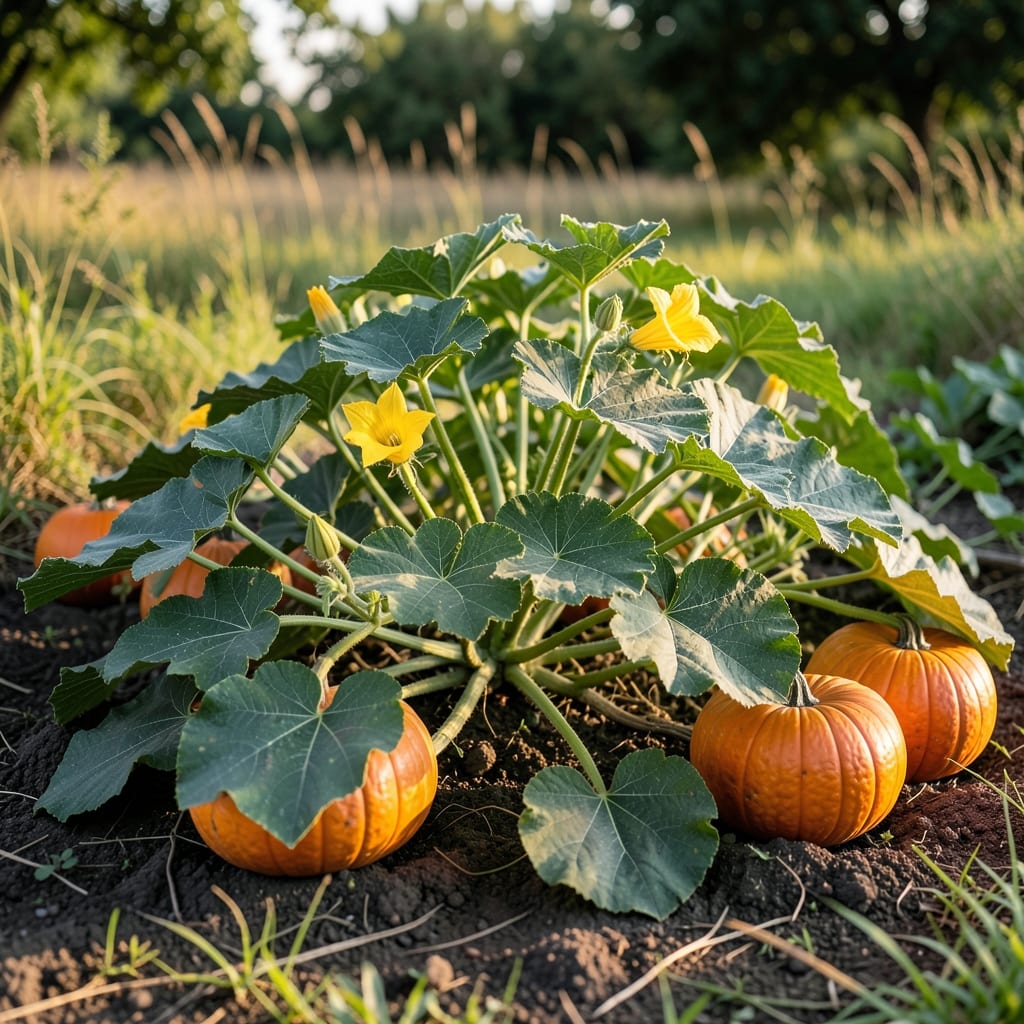
Pumpkins are not typically invasive but can spread aggressively in gardens due to their long vines and self-seeding nature. Proper management prevents them from overtaking other plants.
In my experience, their vigorous vines can stretch 20+ feet in a season, shading out nearby plants and monopolizing soil nutrients. 🔥 The real challenge comes from their prolific seed production—each fruit can contain hundreds of seeds that sprout the following year. I always recommend dedicating a large, isolated space or using vertical trellises to keep their growth in check.
💡 In This Article
A single pumpkin plant can produce vines that extend 15-25 feet in all directions under ideal conditions. These vines grow rapidly—often 1 foot per day during peak season—due to an extensive root system that spreads 3-6 feet outward. The roots absorb water and nutrients aggressively, often outcompeting neighboring plants for resources. 🔥
The leaves are large, often 12-18 inches across, creating dense shade that blocks sunlight from reaching smaller plants below. This shading effect can suppress the growth of vegetables like lettuce or herbs that require full sun.
The vines also produce tendrils that latch onto anything nearby, including fences, trellises, or other plants, which can physically smother or pull down weaker vegetation.
Pumpkins are monoecious, meaning each plant produces both male and female flowers. The female flowers develop into fruit only when pollinated, and each fruit can contain 200-500 seeds. If left to mature and split open, these seeds can lie dormant in the soil for years, germinating when conditions are right.
This self-seeding ability is what often leads to unexpected pumpkin patches in untended areas. ✨
In agricultural terms, pumpkins exhibit what’s called a “sprawling” growth habit. Unlike invasive species that spread through underground runners (like mint), pumpkins expand above ground, making them easier to contain physically. However, their sheer size and resource demands can still disrupt carefully planned garden layouts if not managed from the start.
The plants also release allelopathic compounds—chemicals that inhibit the growth of competing plants. While not as strong as those produced by black walnut trees, these compounds can still affect sensitive species planted too close. This is why rotation and spacing are critical in garden planning. 💫
Under ideal conditions, vines can extend 1 foot per day during peak season. A single plant may spread 15-25 feet in all directions, quickly covering garden space.
Yes, their large leaves create dense shade, blocking sunlight for smaller plants. The vines also produce tendrils that can latch onto and smother nearby vegetation.
Give each plant 50-100 square feet of space. Use trellises for vertical growth and prune secondary runners once they reach 3-4 feet long.
They won’t regrow from the same plant, but fallen seeds can sprout new plants the following year. Harvest mature fruit promptly to prevent self-seeding.