
Beautiful Plants For Your Interior
Beautiful Plants For Your Interior
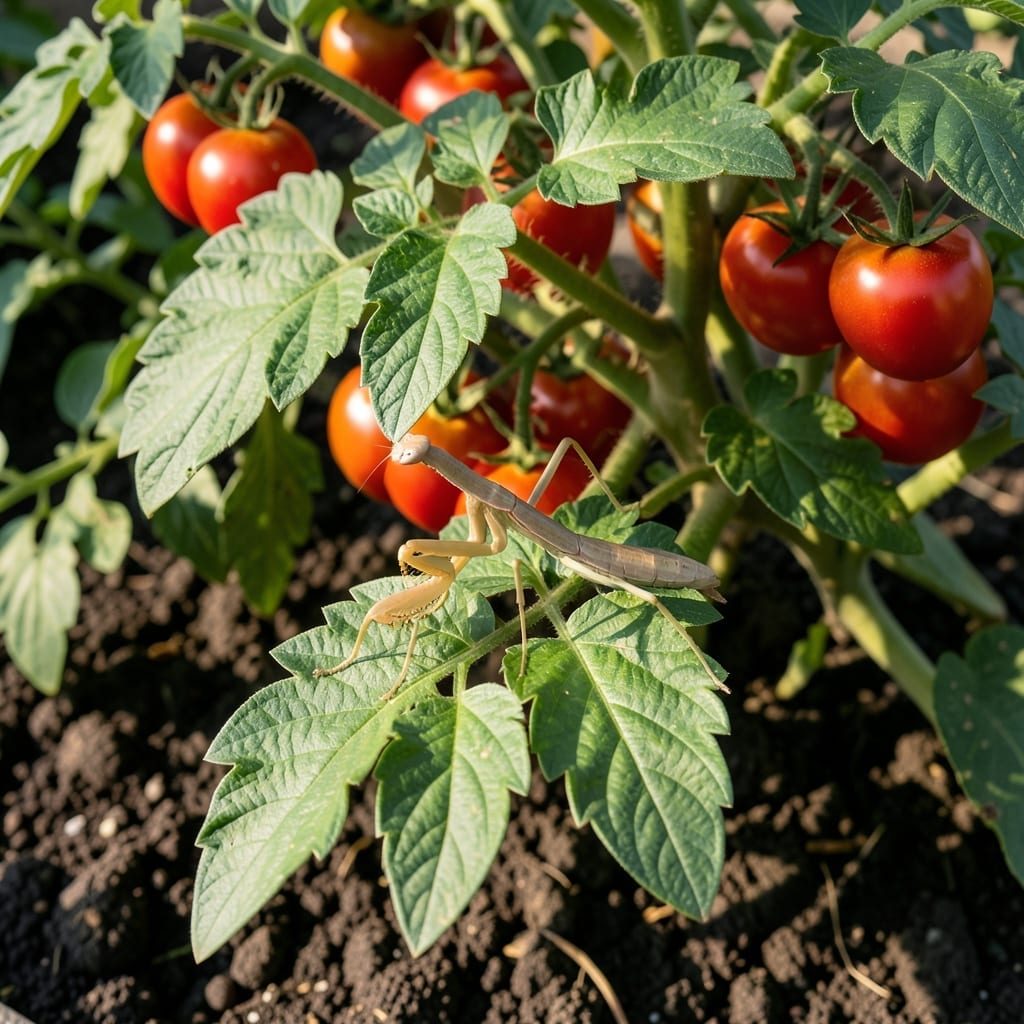
Praying mantises are highly beneficial for gardens as they prey on pests like aphids, caterpillars, and beetles, reducing the need for chemical pesticides while posing no harm to plants.
I’ve seen these predators work wonders in my own garden—they act like tiny, natural exterminators. Their ambush hunting style means they’ll sit and wait for pests to come within striking distance, often clearing out infestations in just a few days. Plus, they’re generalists, so they’ll tackle a wide range of problematic insects without you needing to lift a finger. ✨
💡 In This Article
Praying mantises are ambush predators that rely on stealth and lightning-fast reflexes to capture prey. Their front legs, equipped with sharp spines, snap forward in 1/20th of a second to snatch insects mid-air or off leaves. This precision allows them to target pests like aphids, caterpillars, and beetles with incredible accuracy. 🔥
They consume a wide variety of garden pests, often eating insects up to 3 times their size. A single mantis can devour dozens of pests per day, including soft-bodied insects that damage plants. Their diet also includes flies, crickets, and even other predatory bugs, making them a versatile ally in pest management. ✨
Unlike chemical pesticides, mantises provide 24/7 protection without harming plants or soil health. Their hunting is most active during warm weather, with peak efficiency in temperatures between 70-90°F. This natural control method reduces the need for synthetic interventions that can disrupt ecosystems. 💛
What sets them apart is their ability to adapt to different environments. They thrive in gardens with diverse plant life, using foliage as camouflage to ambush prey. Their presence creates a balanced ecosystem where pest populations are kept in check naturally. ⚡
However, mantises are indiscriminate hunters and may occasionally catch beneficial insects like bees or butterflies. This is rare compared to their pest control benefits, but it’s worth noting for pollinator-focused gardens. Still, their net impact overwhelmingly favors garden health. 💫
No, they’re completely harmless to plants. They only hunt live insects, so your garden’s foliage and produce are safe. Their presence actually benefits plants by reducing pest damage.
A single mantis can consume 20-30 pests daily, including aphids, caterpillars, and beetles. Their appetite makes them one of the most effective natural pest controllers for gardens.
In colder climates, adult mantises die off in winter, but their egg cases (oothecae) survive to hatch in spring. In warmer areas, they may thrive year-round with proper shelter.
Rarely, and only if severely provoked. Their bites are harmless and feel like a pinch. They’re far more interested in hunting pests than interacting with people.