
Beautiful Plants For Your Interior
Beautiful Plants For Your Interior
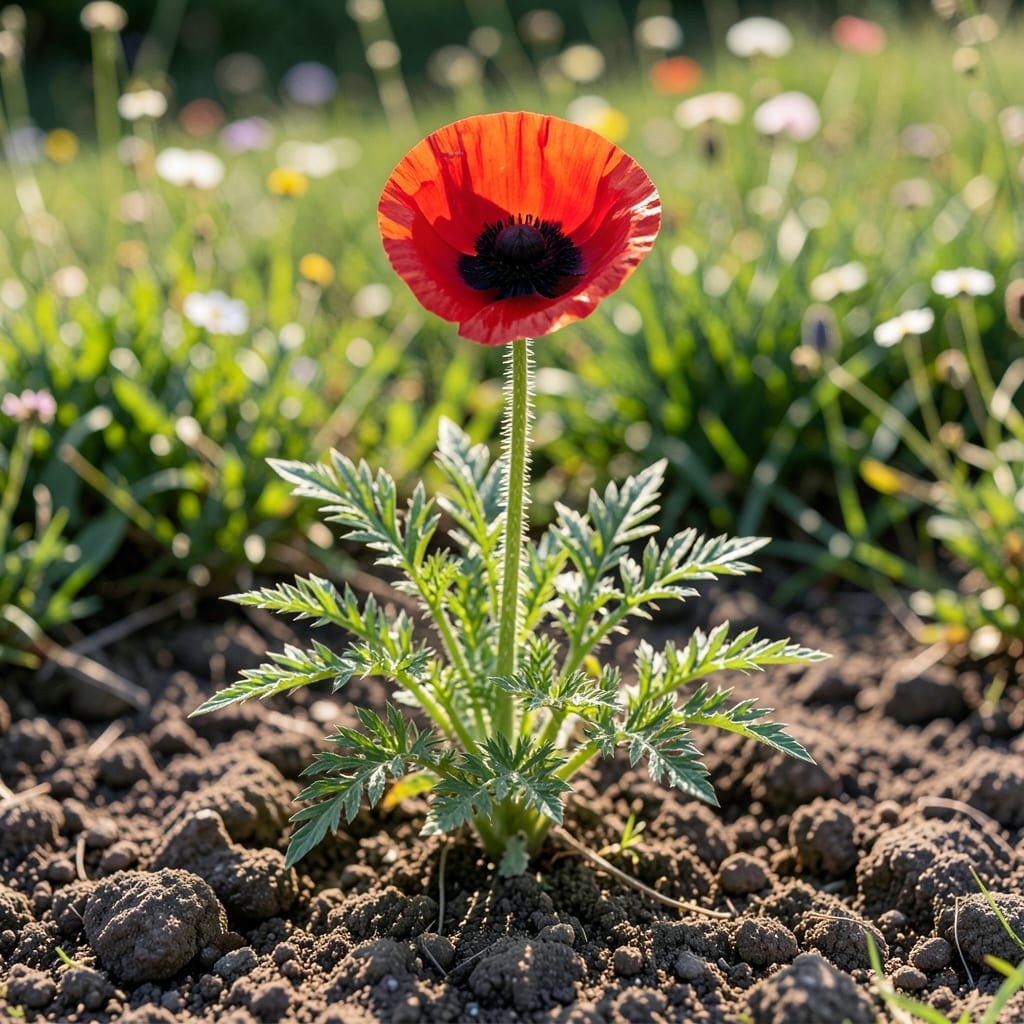
Poppies are generally easy to grow from seed, thriving in well-drained soil with full sun. They require minimal care once established but dislike transplanting and overly rich soil.
I’ve found poppies practically grow themselves if you match their preferences. Their drought tolerance means you won’t need to babysit them with constant watering, and they often self-seed, creating a stunning display year after year with zero effort. The key is planting them where they’ll get 6-8 hours of sunlight daily. ✨
💡 In This Article
Poppies have evolved to flourish in challenging conditions that would stress many other plants. Their deep taproots, which can extend 2-3 feet into the soil, allow them to access water and nutrients far below the surface. This adaptation makes them exceptionally drought-tolerant once established, often surviving on just 1 inch of water per week. 🔥
These flowers actually prefer poorer soils because rich, fertile ground encourages excessive leafy growth at the expense of blooms. In their native Mediterranean habitats, poppies thrive in sandy, nutrient-sparse soils. The plant’s ability to self-seed means one season’s crop can produce next year’s display automatically, with seeds lying dormant until conditions are right. ✨
Their dislike of transplanting comes from these same taproots, which are easily damaged when moved. When you sow seeds directly in their permanent location, the roots grow undisturbed. This also explains why poppies do well in containers, as long as the pot is deep enough to accommodate their root system.
The ideal depth is at least 12 inches. 💫
Poppies have developed a clever survival strategy: they grow quickly to bloom before summer heat sets in, then go dormant during dry periods. This life cycle allows them to complete their growth in just 60-90 days from seed. Their paper-thin petals, while delicate-looking, are actually highly efficient at reflecting excess sunlight to prevent overheating. ⚡
Their resilience extends to pest resistance too. The slightly bitter taste of poppy foliage deters many common garden pests. While aphids might occasionally appear, they rarely cause significant damage. This natural protection means you won’t need to use chemical treatments, making poppies ideal for organic gardens. 🌟
Poppies thrive in well-drained, sandy or loamy soil with low fertility. Avoid rich, heavily fertilized soil, which can produce excessive foliage and fewer blooms.
No, poppies dislike transplanting due to their delicate taproots. Always sow seeds directly in their permanent location for best results.
Water gently until seedlings emerge (7-14 days), then reduce to once a week. Overwatering can cause rot, so let the soil dry slightly between waterings.
Too much fertilizer or shade is usually the culprit. Ensure they get 6-8 hours of sun daily and plant in lean soil for abundant flowers.