
Beautiful Plants For Your Interior
Beautiful Plants For Your Interior
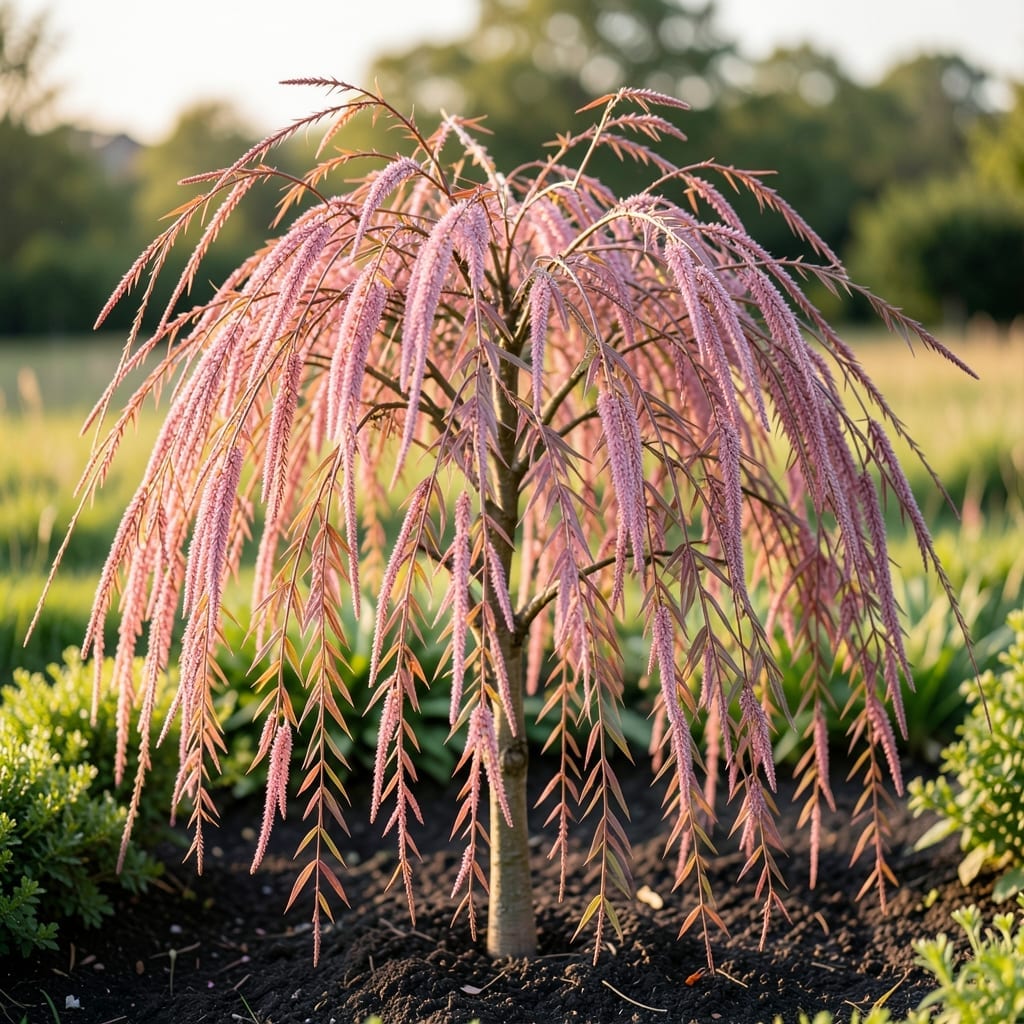
Yes, pink willow trees exist as cultivated varieties or hybrids, such as the pink-flowering willow (Salix caprea ‘Pendula’) or weeping willows with pinkish bark, though true wild pink willows are rare.
I’ve seen these stunning trees in gardens where their soft pink blooms create a magical effect in spring. 🌸 The color often comes from selective breeding rather than natural evolution, which is why they’re more common in landscaped settings than in the wild. What’s fascinating is how breeders enhance these hues through careful cultivation techniques.
💡 In This Article
The pink hues in willow trees typically come from two sources: flowers and bark. Varieties like Salix caprea ‘Pendula’ produce stunning pink catkins in early spring, while others like the Weeping Willow ‘Cherry Sparkle’ develop pinkish bark as they mature. These traits emerge from selective breeding programs that isolate and enhance naturally occurring genetic mutations.
🌸
In the wild, true pink willows are exceedingly rare because natural selection favors practical traits over aesthetic ones. However, breeders have successfully created hybrids like the Salix alba ‘Chermesina’, which displays vibrant coral-pink new growth that gradually fades to green.
The color intensity varies with soil pH, with slightly acidic conditions (pH 6.0-6.5) producing the most vivid hues.
The science behind these colors involves anthocyanins—pigments that also give red maples their fall color. In pink willows, these compounds concentrate in the outer bark layers or flower bracts. The Salix caprea species naturally produces more anthocyanins than other willows, making it the primary candidate for pink-flowering cultivars.
This genetic predisposition explains why most pink varieties trace their lineage to this species. ✨
What’s fascinating is how these cultivated varieties maintain their pink characteristics through vegetative propagation. When growers take cuttings from a Salix caprea ‘Pendula’, the resulting trees produce identical pink catkins year after year.
This asexual reproduction method ensures the stability of the desired traits across generations, which is why you’ll often see rows of uniformly pink willows in commercial nurseries. 💫
Climate also plays a role in color expression. Cooler spring temperatures (around 50-60°F) tend to intensify the pink in both flowers and bark. In warmer climates, the colors may appear more muted.
This temperature sensitivity is why pink willows often look their most vibrant in early spring before the leaves fully emerge, creating that sought-after contrast against the bare branches. 🌟
Anthocyanin pigments create the pink hues, concentrated in flowers or bark. Varieties like Salix caprea ‘Pendula’ show this naturally through selective breeding. Cooler spring temperatures intensify the color.
Yes! Plant in well-draining, slightly acidic soil (pH 6.0-6.5) with full sun to partial shade. Water deeply 2-3 times weekly initially. These trees thrive in USDA zones 4-8.
Prune dormant trees in late winter, removing 20-25% of old stems annually. Avoid over-fertilizing to maintain vibrant color. Mulch with 2-3 inches of organic material to retain moisture.
Natural selection favors practical traits over color. Most pink varieties are cultivated hybrids, not wild species. Breeders isolate genetic mutations to enhance pink hues through propagation.