
Beautiful Plants For Your Interior
Beautiful Plants For Your Interior
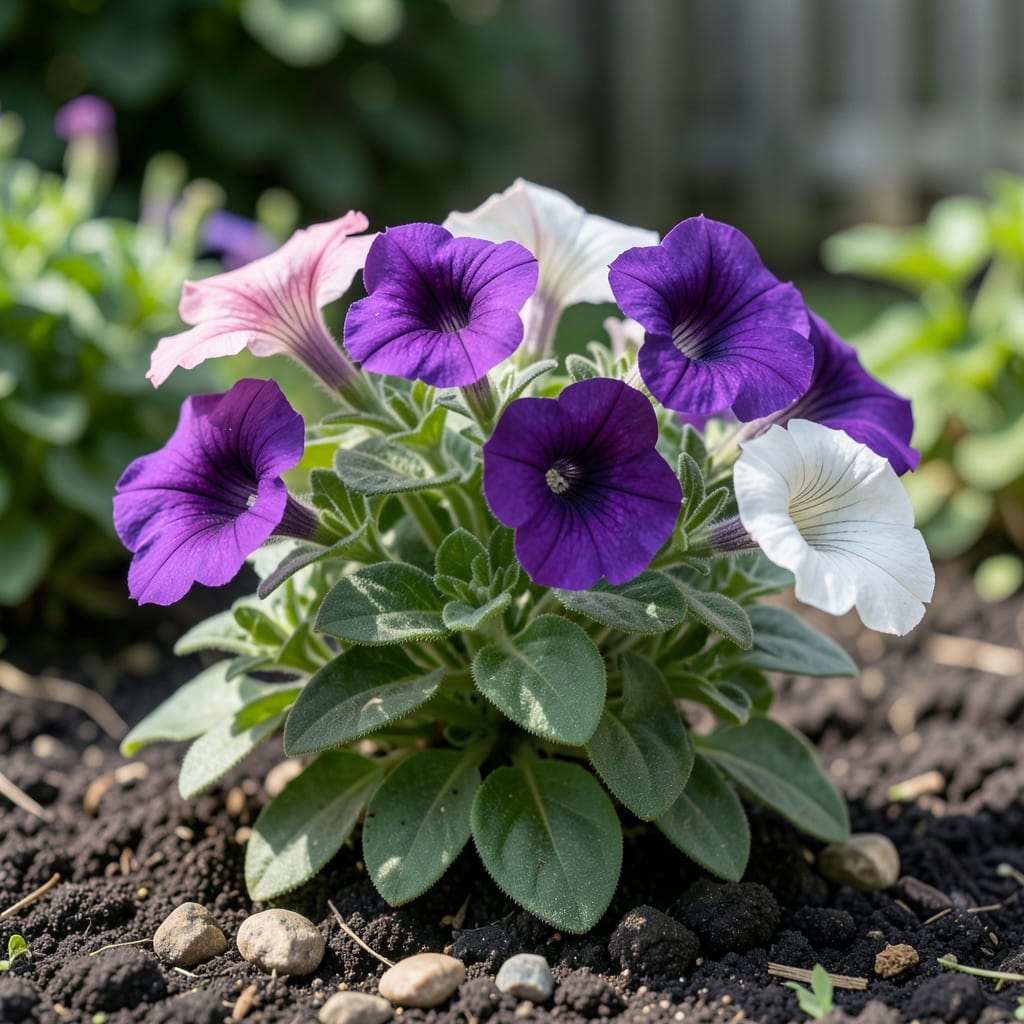
Petunias are generally considered non-toxic to humans, with no serious poisoning cases reported. However, mild stomach upset may occur if large quantities are ingested.
What I find reassuring is that major organizations like the ASPCA classify petunias as safe, meaning they don’t contain harmful toxins. Still, individual sensitivities can vary, so it’s wise to handle them with care, especially around children who might be tempted to nibble on the colorful blooms. 🌟
In my garden, I treat them like any other plant—washing hands after pruning and keeping them out of reach of curious pets or toddlers just to be extra cautious.
💡 In This Article
The ASPCA and other toxicology databases classify petunias as non-toxic due to their benign chemical makeup. These flowers contain minimal alkaloids or phenolic compounds, which are typically responsible for plant toxicity in humans. Their primary components are water, cellulose, and trace sugars that pose no harm in small amounts.
Scientific studies show petunia sap has a pH near neutral (6.5-7.2), meaning it lacks the acidic or alkaline extremes that could cause chemical burns or irritation. The plant’s low concentration of solanine—a glycoalkaloid found in some nightshades—measures below 0.01%, far below the threshold that triggers adverse effects in humans.
Rarely, sensitive individuals may experience mild contact dermatitis from petunia pollen or sap. This occurs when the immune system overreacts to proteins like Pet c 1, a known allergen in some petunia varieties. Symptoms typically include redness or itching at the contact site, similar to reactions from handling tomatoes or potatoes.
Historical data from poison control centers reveals fewer than 10 reported cases of petunia ingestion in the past decade, with all involving minimal symptoms. Most incidents involved children eating flower petals out of curiosity, resulting in no more than temporary nausea or diarrhea that resolved without medical intervention. 🌸
Comparatively, petunias are safer than common garden plants like foxglove or oleander, which contain cardiac glycosides that can be fatal in small doses. Even edible flowers like nasturtiums may cause more digestive upset due to their higher mustard oil content, making petunias one of the least concerning ornamental plants.
Most children experience no issues, but some may have mild stomach upset. Monitor for 24 hours—if nausea or vomiting occurs, consult a doctor. Poison control reports show all cases resolve without serious treatment.
Rarely, sensitive individuals may develop mild contact dermatitis from sap or pollen. Symptoms include redness or itching. Wash the area with cool water and apply calamine lotion if needed.
Yes, all common petunia varieties—grandiflora, multiflora, and wave types—are classified as non-toxic. Their chemical makeup is nearly identical, with no dangerous compounds detected.
Wear gloves when pruning and wash hands afterward. Keep cuttings and seeds out of reach of kids and pets. These simple steps prevent any accidental ingestion or skin contact.