
Beautiful Plants For Your Interior
Beautiful Plants For Your Interior
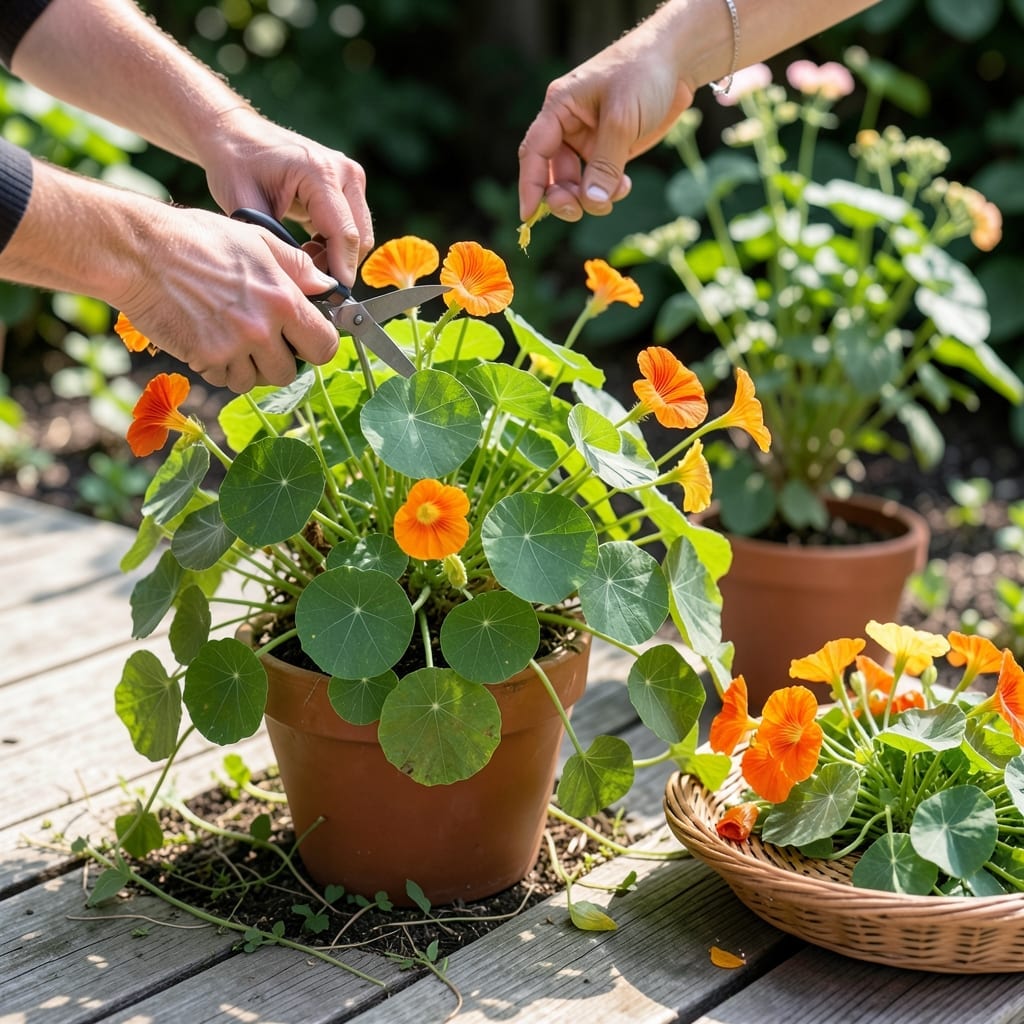
Nasturtiums belong to the Tropaeolum genus, and their edibility stems from their non-toxic chemical composition. Unlike some garden plants containing harmful alkaloids, nasturtiums produce glucosinolates—compounds that give them their signature peppery bite but are completely safe for consumption. These same compounds also act as natural antibiotics, which explains their historical use in traditional medicine. ✨
The leaves pack a nutritional punch with approximately 45mg of vitamin C per 100g—that’s more than half the daily recommended intake for adults. The flowers contain similar compounds but in slightly lower concentrations, while the seeds are particularly rich in sulfur-containing compounds that contribute to their sharp, mustard-like flavor.
This nutritional density made them a valuable food source in Andean cultures, where they were consumed both fresh and dried. 🔥
What’s fascinating is how the plant’s growing conditions affect its flavor profile. Nasturtiums grown in full sun develop stronger, more pungent flavors due to increased glucosinolate production, while those in partial shade tend to be milder. This adaptability is why gardeners often experiment with different microclimates to achieve their preferred taste intensity.
The peppery notes come from benzyl isothiocyanate, a compound that activates the same taste receptors as mustard or horseradish. This chemical reaction occurs when you chew the plant material, releasing enzymes that convert glucosinolates into these pungent compounds. The intensity varies by plant part: seeds contain the highest concentration, followed by leaves, then flowers. 💫
From a culinary perspective, this chemical makeup makes nasturtiums incredibly versatile. The leaves can be used like arugula in salads, the flowers make stunning edible garnishes, and the seeds—when green—can be pickled to create a caper substitute. Their natural antimicrobial properties even make them useful for food preservation in traditional recipes.
Historically, nasturtiums were more than just food—they were medicine. Indigenous South American cultures used them to treat respiratory infections and urinary tract issues, thanks to those same glucosinolates that give the plant its distinctive flavor. Modern research confirms these compounds have genuine antibacterial and antifungal properties. ⚡
All parts are safe to consume: leaves, flowers, and seeds. Leaves have a bold peppery taste, flowers are milder, and seeds can be pickled like capers.
Yes! The flavor resembles watercress or arugula with a spicy kick. Younger leaves are milder, while mature ones pack more heat.
Always harvest from clean, pesticide-free plants. Rinse thoroughly and start with small amounts to test your tolerance for the peppery flavor.
Store unwashed in the fridge for up to 5 days. For longer storage, freeze flowers in ice cubes to preserve color and taste.