
Beautiful Plants For Your Interior
Beautiful Plants For Your Interior
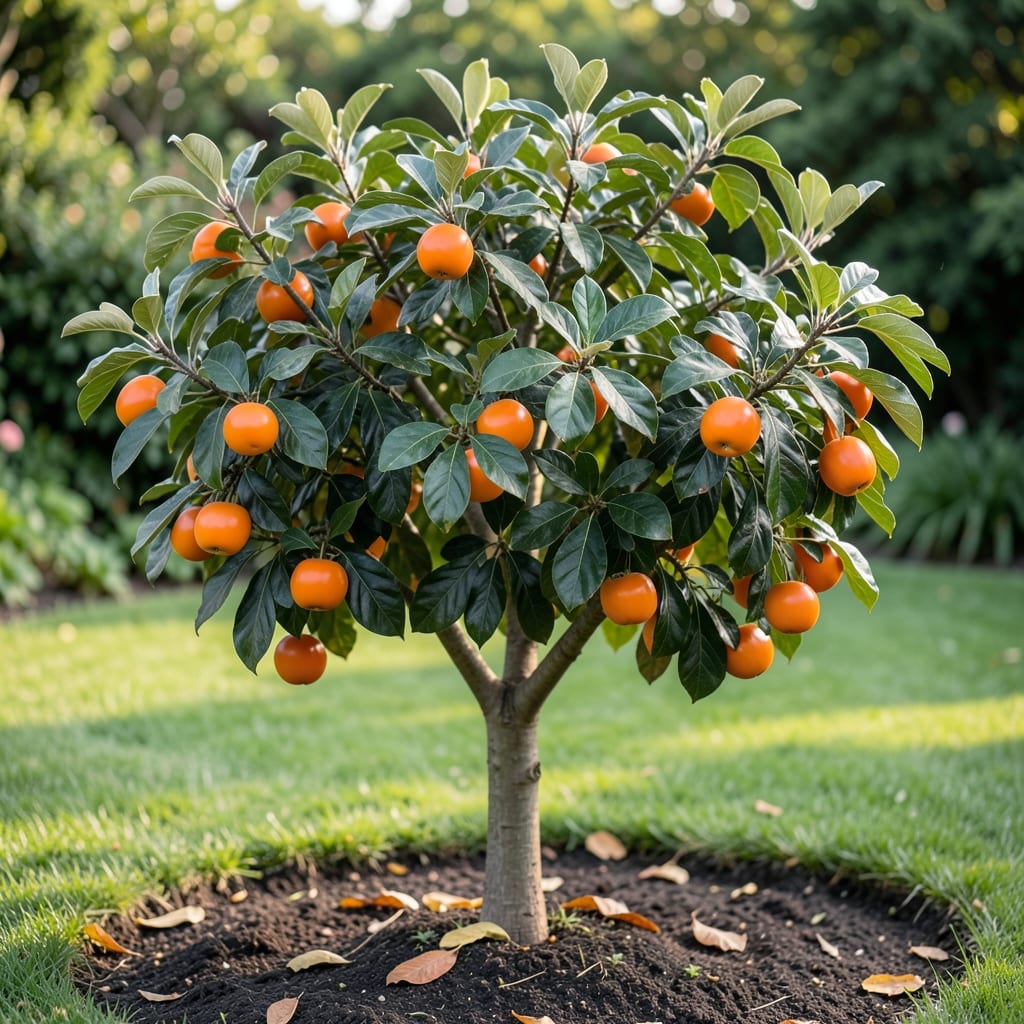
Persimmons are not citrus fruits. They belong to the Ebenaceae family, while citrus fruits like oranges and lemons are part of the Rutaceae family.
This distinction is important because it explains why their flavors and growing needs differ so much. Persimmons have a unique sweetness when ripe, while citrus fruits are known for their tartness. 🌟 I’ve noticed that persimmon trees thrive in cooler climates compared to citrus varieties, which prefer warmer conditions.
Botanists classify them separately based on genetic and structural traits, making their differences clear at a scientific level. ✨
💡 In This Article
Botanists place persimmons in the Ebenaceae family, which also includes ebony trees, while citrus fruits belong to the Rutaceae family. This separation is due to fundamental genetic differences that show up in their DNA, leaf structure, and fruit development. The genus for most edible persimmons is Diospyros, which means “fruit of the gods” in Greek.
Citrus fruits, on the other hand, fall under the Citrus genus within Rutaceae. Their classification comes from shared traits like the presence of limonoids (compounds that give citrus its bitter taste) and hesperidin in the rind.
Persimmons lack these compounds entirely, which is why their flavor profile is so different—sweet and honey-like when fully ripe, rather than tart or acidic.
Even the fruit structure differs. Citrus fruits have a hesperidium berry structure with a leathery rind and segmented flesh, while persimmons are simple berries with a smooth skin and soft, custard-like interior when ripe. This structural difference affects how we eat and use them in cooking.
The growing habits also reflect their distinct families. Persimmon trees often have a more upright growth pattern and can tolerate colder climates (down to 0°F for some varieties), while citrus trees are evergreen and thrive in tropical or subtropical zones where temperatures rarely drop below 25°F. 🌟
These botanical distinctions explain why persimmons and citrus fruits have such different care requirements, flavor profiles, and culinary uses. Understanding this helps gardeners and cooks make the most of each fruit’s unique qualities.
Persimmons lack the acidic compounds like limonoids and hesperidin found in citrus. Their sweet, honey-like flavor comes from high sugar content when ripe, unlike the tart or bitter notes of citrus fruits.
Yes! Many persimmon varieties tolerate cold down to 0°F, while citrus trees die below 25°F. This makes persimmons ideal for cooler climates where citrus cultivation is impossible.
Persimmons have smooth skin and soft, custard-like flesh when ripe. Citrus fruits have leathery rinds and segmented interiors. This structural difference reflects their separate botanical families.
No. Persimmons prefer well-draining soil with pH 6.0-6.5 and tolerate drought better. Citrus requires more consistent watering and warmer climates, making persimmons lower-maintenance in many regions.