
Beautiful Plants For Your Interior
Beautiful Plants For Your Interior
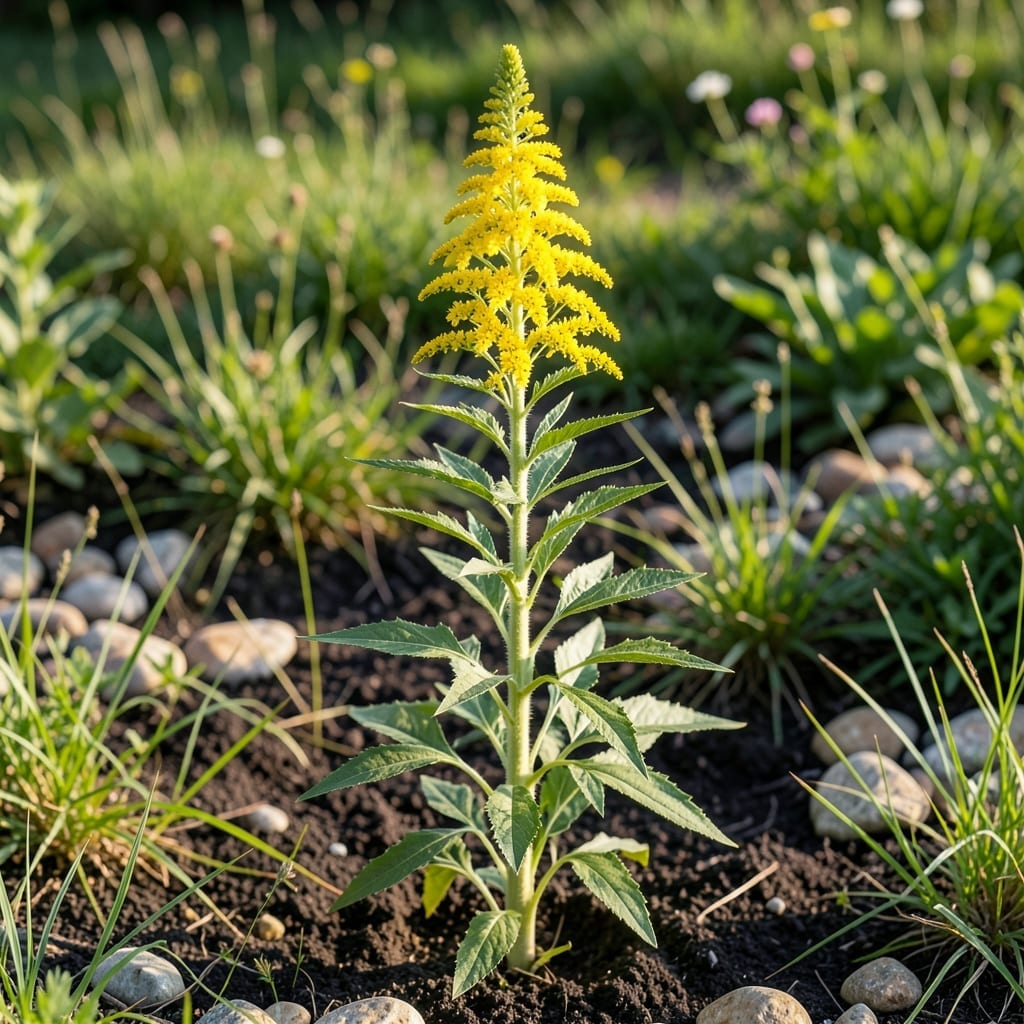
Goldenrod is often blamed for allergies, but its heavy pollen is not airborne. True culprits are ragweed and other wind-pollinated plants blooming at the same time.
I’ve seen this mix-up so often—goldenrod’s bright blooms catch our attention just as allergy season peaks. The reality is its pollen grains are too large and sticky to travel by air, so they never reach our noses. Meanwhile, ragweed’s tiny, lightweight pollen spreads effortlessly on the breeze, triggering those dreaded symptoms. 💫
This timing coincidence is why so many point the finger at the wrong plant every late summer. Nature’s scheduling can be misleading!
💡 In This Article
Goldenrod’s pollen grains are 20-30 microns in diameter—far too large for wind dispersal. These heavy, sticky particles require insects like bees and butterflies for pollination, meaning they never become airborne. Meanwhile, ragweed pollen measures just 15-20 microns, perfect for drifting on breezes and entering human respiratory systems.
The timing couldn’t be more deceptive. Both plants bloom from August to October, when ragweed releases 1 billion pollen grains per plant daily. Goldenrod’s vibrant yellow flowers simply draw our attention while the invisible ragweed pollen does the real damage. 🌟
Our brains connect visible blooms with sneezing fits, creating a classic case of mistaken identity. This psychological phenomenon, called “illusionary correlation,” makes us blame the most obvious suspect. The bright, showy flowers become the scapegoat for symptoms they didn’t cause.
Even the pollination methods differ dramatically. Goldenrod relies on entomophily (insect pollination), while ragweed uses anemophily (wind pollination). This fundamental botanical distinction explains why one triggers allergies and the other doesn’t. ✨
To put it in perspective: a single ragweed plant can release enough pollen to travel 2 miles on the wind. Goldenrod pollen, by contrast, typically travels less than 3 feet—usually from flower to insect visitor. The scale difference is staggering.
This mismatch between visibility and actual impact creates the perfect storm of misinformation. We see goldenrod, we sneeze, and we assume cause and effect—when in reality, the true culprit remains invisible to the naked eye. 💫
No, its heavy pollen grains are too large to become airborne. They stick to insects instead of floating in the air.
It blooms at the same time as ragweed, which does trigger allergies. The bright yellow flowers draw attention while invisible ragweed pollen causes symptoms.
A single ragweed plant can release pollen that travels up to 2 miles on the wind. That’s why it affects so many people.
Goldenrod has bright yellow flowers and simple leaves, while ragweed has greenish, fern-like leaves and inconspicuous blooms.