
Beautiful Plants For Your Interior
Beautiful Plants For Your Interior
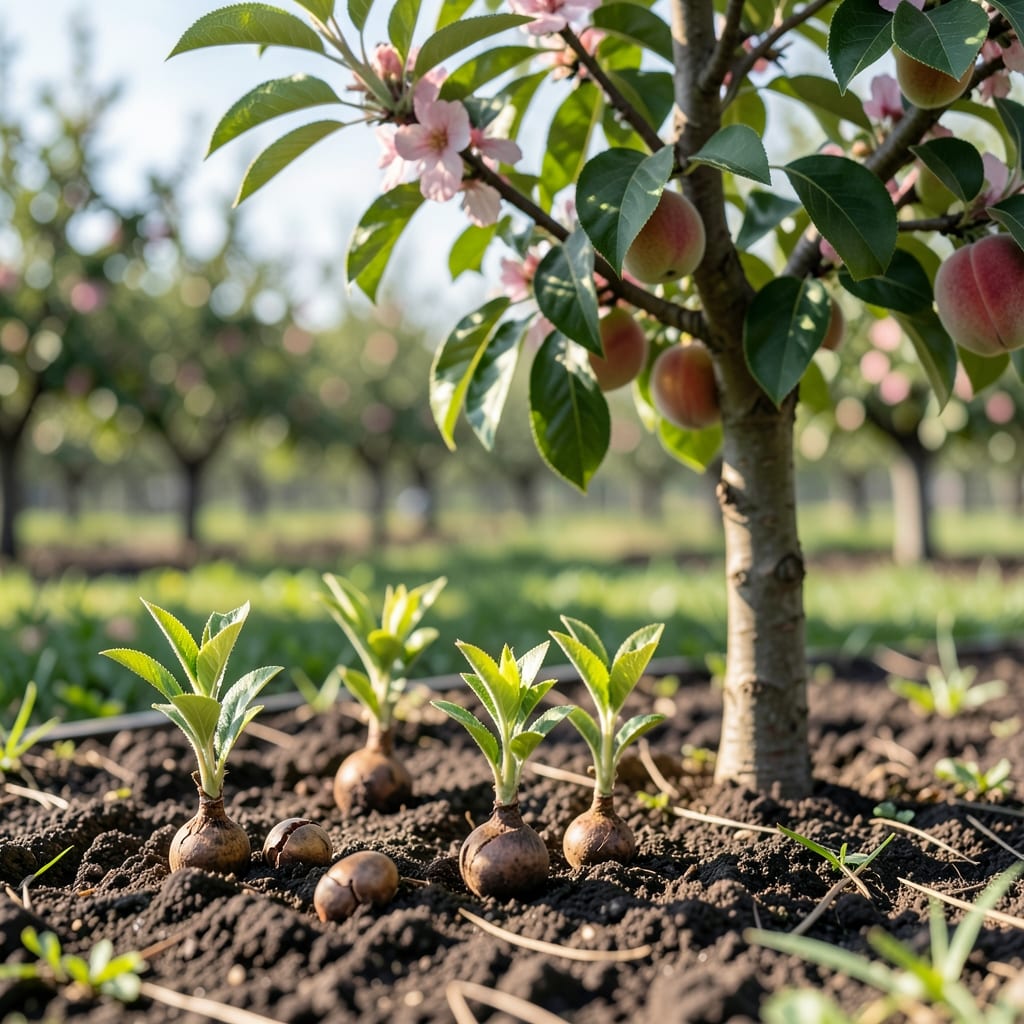
Peaches are not typically true to seed, meaning trees grown from pits may produce fruit unlike the parent. Most commercial varieties require grafting for consistent quality and traits.
I’ve learned this firsthand—plant a peach pit, and you might get a tree, but the fruit could be smaller, less flavorful, or even inedible. 🔥
This happens because peach trees are often hybridized, and seeds carry genetic material from both parent varieties, leading to unpredictable results. That’s why nurseries graft known varieties onto rootstock for reliable harvests.
💡 In This Article
Peach trees exhibit what geneticists call heterozygosity, meaning their seeds carry a mix of genes from both parent trees. When you plant a pit from a Elberta peach, the resulting tree might produce fruit that’s smaller, tart, or even bitter because it inherits traits from the pollen donor tree too.
This natural cross-pollination creates endless genetic combinations, making seed-grown trees a gamble. 🔥
The science behind this involves Mendelian inheritance. Each peach seed contains 16 chromosomes (8 from each parent), and during fertilization, these recombine randomly. Commercial varieties like Redhaven or Georgia Belle are carefully bred for specific traits—sweetness, size, disease resistance—but these don’t transfer reliably to offspring.
It’s like shuffling a deck of cards: the hand you’re dealt is unpredictable.
Even if you get lucky, seed-grown trees often take 3-5 years longer to bear fruit than grafted ones. The fruit might be hardier or more disease-resistant, but it’s rarely as delicious as the parent.
Growers report that 90% of seed-grown peaches are inferior in flavor or texture, which is why orchards rely on grafting for consistency. ✨
This variability isn’t all bad—it’s how new peach varieties are discovered. The famous Donut peach (a flat, sweet variety) originated from a chance seedling in China. But for home gardeners, it means planting a pit is more of a horticultural experiment than a reliable way to grow edible fruit. 💫
Climate also plays a role. Seed-grown trees may inherit cold-hardiness from one parent and poor fruit quality from another. In contrast, grafted trees combine the best rootstock (for disease resistance) with the best scion (for fruit quality), giving you predictable results every time. 🌟
Seed-grown peach trees typically take 5-7 years to produce fruit, much longer than grafted trees. Even then, the fruit may be small or poor-tasting due to genetic variability.
Grafted trees guarantee consistent fruit quality, size, and flavor, while seed-grown trees are unpredictable. Grafting also allows growers to combine disease-resistant rootstock with high-yielding fruit varieties.
It’s possible but unlikely—only about 1 in 10 seed-grown trees produce fruit as good as the parent. Most yield smaller, less flavorful, or even inedible peaches.
Grafting is the most reliable method. Start with a known variety like Redhaven or Elberta and graft it onto a hardy rootstock. This ensures predictable flavor, size, and disease resistance.