
Beautiful Plants For Your Interior
Beautiful Plants For Your Interior
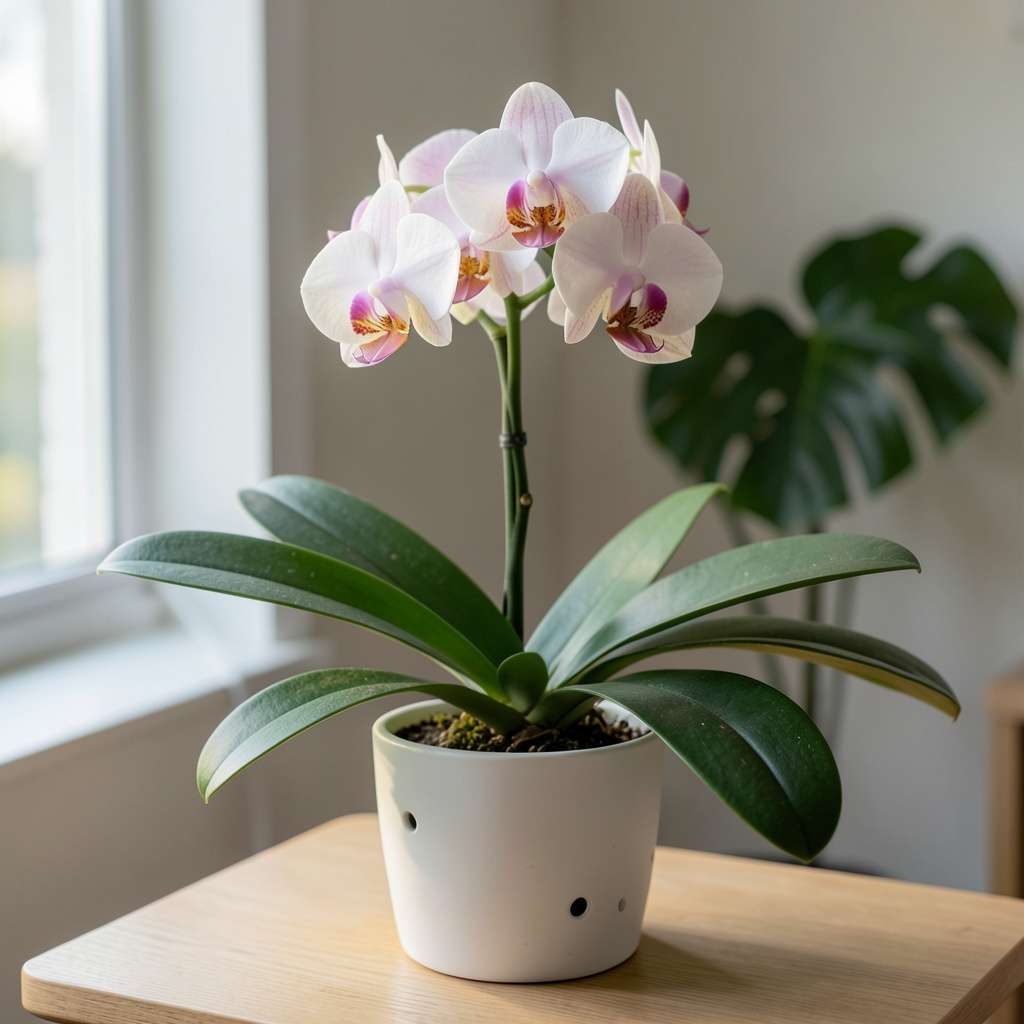
Most orchids are tropical plants native to warm, humid regions, though some species thrive in temperate zones. Their classification depends on habitat and climate requirements.
Orchids have evolved to flourish in specific environmental conditions, which is why many are found in tropical climates. 🌴 Factors like humidity, temperature, and rainfall play crucial roles in their growth. Interestingly, some varieties, such as the lady’s slipper orchid, can adapt to cooler climates, showcasing the diversity within this fascinating plant family.
Understanding these nuances helps me provide better care for my orchids, ensuring that I replicate their natural habitat as closely as possible. 🌱 By adjusting watering routines and light exposure according to their needs, I can enjoy vibrant blooms year-round!
💡 In This Article
Orchids thrive in environments shaped by evolutionary adaptations that favor warm, humid conditions. Most species have evolved to require specific temperature ranges, typically between 65°F and 80°F, which aligns with tropical climates. This range allows them to photosynthesize efficiently and grow robustly. 🌿
Rainfall patterns are another critical factor; orchids often receive abundant moisture, with some tropical regions experiencing rainfall upwards of 100 inches annually. This consistent humidity is essential for their survival, as it helps maintain moisture levels in their root systems, preventing desiccation. 🌧️
Interestingly, not all orchids are bound to tropical environments. The lady’s slipper orchid, for example, adapts to cooler temperate zones. This species can survive in regions with colder temperatures, showcasing the versatility of orchids and their ability to thrive under varying conditions. 🌼
Understanding these climatic requirements is vital for successful orchid cultivation. By replicating the humidity and temperature of their native habitats, growers can ensure healthier plants that produce beautiful blooms consistently. 🌸
In addition to temperature and humidity, light exposure plays a significant role in orchid health. Most tropical orchids prefer bright, indirect light, which mimics the dappled sunlight found in their natural forest habitats. Adjusting your growing environment to provide this light can lead to more vibrant flowers. 💡
By recognizing the unique needs of both tropical and temperate orchids, I can tailor my care routines accordingly. This means adjusting watering schedules based on humidity levels and ensuring adequate light exposure, resulting in flourishing plants year-round. 🌟
