
Beautiful Plants For Your Interior
Beautiful Plants For Your Interior
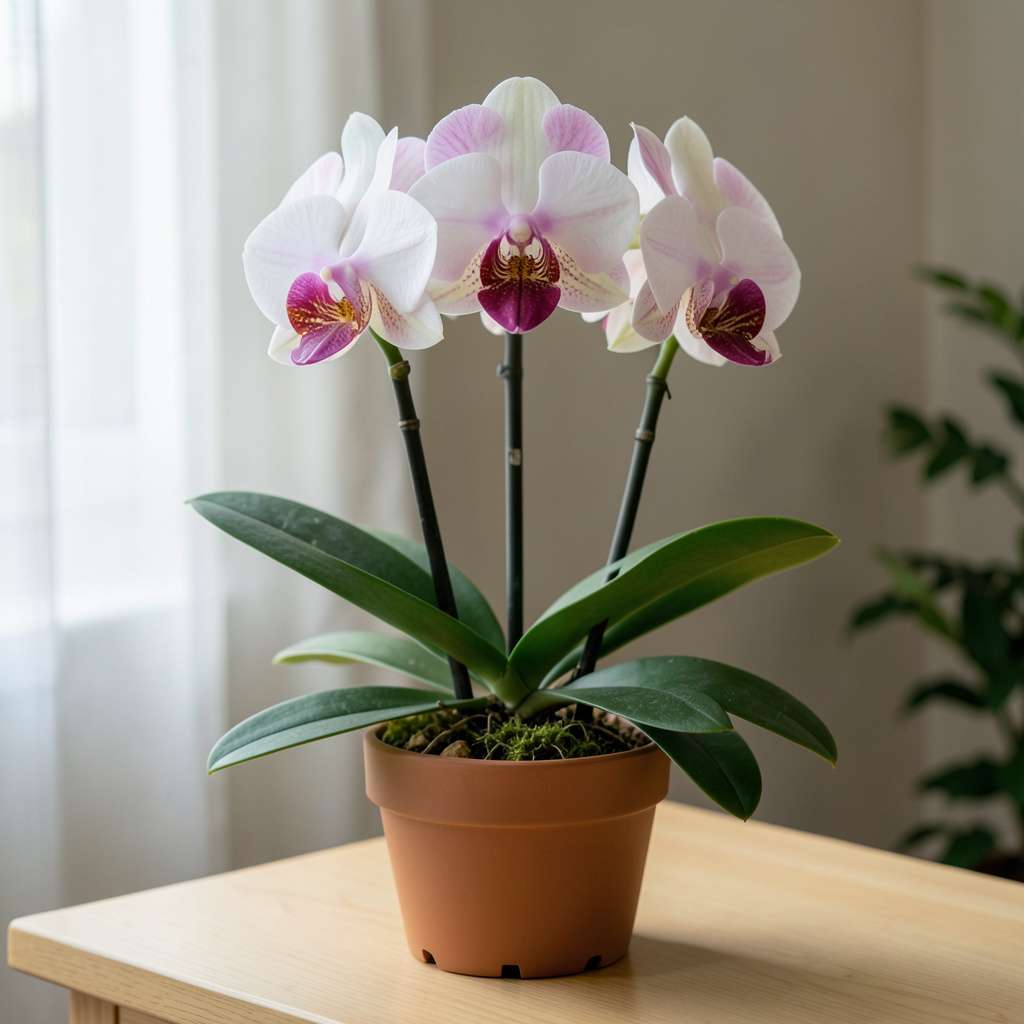
Yes, orchids are perennial plants that regrow each year with proper care. They thrive in warm climates, require indirect light, and benefit from regular fertilization during growing seasons.
Understanding why these plants are classified as perennials is fascinating. 🌱 They possess unique root systems that store nutrients, allowing them to survive through dormancy periods. Additionally, environmental factors like humidity and temperature play a crucial role in their growth cycles, affecting how and when they bloom each year. Proper care ensures that they not only survive but thrive, bringing beauty to your space for many seasons to come.
When it comes to maintenance, I always emphasize creating the right watering schedule and ensuring they receive the correct light exposure. With consistent attention to their needs, these stunning plants can flourish year after year. 🌼
💡 In This Article
Orchids are fascinating because of their unique adaptations that allow them to thrive as perennials. Their root systems are particularly remarkable; they store nutrients and moisture, enabling the plant to survive during dormant periods. This capacity for nutrient storage is essential for their annual regrowth. 🌱
During dormancy, which typically occurs in cooler months, orchids conserve energy and resources. This process is crucial for their survival, as it allows them to allocate energy efficiently when conditions improve. Additionally, environmental factors such as temperature and humidity significantly influence their growth cycles, determining when and how they bloom. 🌼
Understanding these biological traits is vital for any orchid enthusiast. For instance, orchids generally prefer temperatures between 65°F and 75°F, and high humidity levels, ideally around 50-70%. These conditions encourage robust growth and prolific flowering, highlighting the importance of replicating their natural habitat. 🌞
Another critical aspect is how orchids respond to seasonal changes. The varying lengths of daylight trigger hormonal responses within the plant, prompting blooming cycles. Knowing this can help in planning care routines and adjusting environmental conditions to ensure consistent flowering. 🌸
For those looking to cultivate orchids successfully, it’s essential to consider their specific needs. Proper watering schedules, light exposure, and fertilization techniques directly affect their longevity and blooming cycles. Regularly assessing these factors can lead to healthy plants that flourish year after year. 🌿
In summary, the unique biological characteristics of orchids combined with the right environmental conditions contribute to their perennial nature. By nurturing these factors, gardeners can enjoy the beauty of these plants season after season. 🌺
