
Beautiful Plants For Your Interior
Beautiful Plants For Your Interior
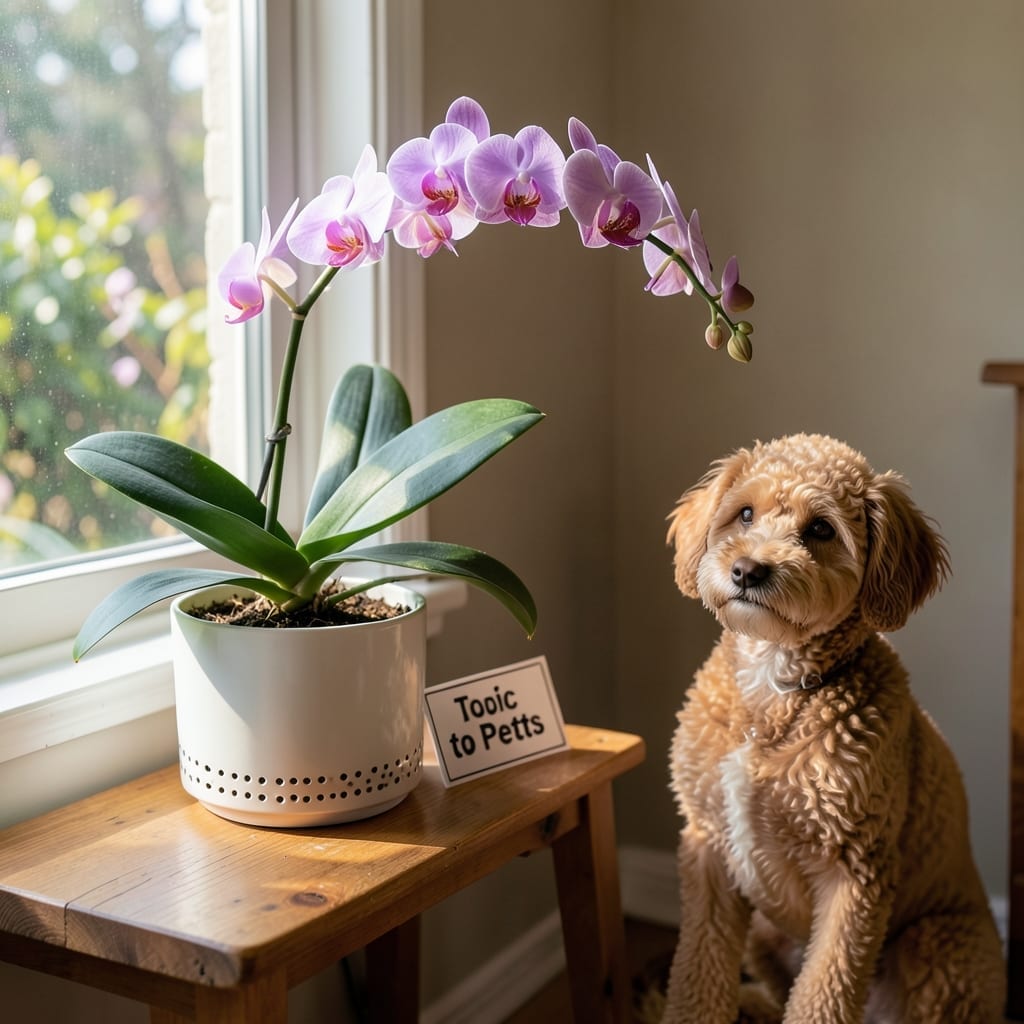
Most orchids are non-toxic to dogs, but some varieties like Phalaenopsis or Cattleya may cause mild stomach upset if ingested. Always check specific types for safety.
I’ve found that orchid toxicity often depends on the specific compounds in each species. While most are harmless, a few contain irritants that can upset your dog’s digestion. In my experience, keeping plants elevated and monitoring pets around new greenery prevents most issues. 🌟
It’s wise to research any orchid before bringing it home, especially if your dog is curious about chewing on leaves. A quick vet call can provide peace of mind if you notice any unusual symptoms.
💡 In This Article
The difference lies in specific chemical compounds. Some orchids, like Dendrobium or Oncidium, contain mild irritants called alkaloids and phenols. These compounds can disrupt a dog’s digestive system when ingested in large quantities, causing vomiting or diarrhea.
Dogs metabolize plant materials differently than humans. Their digestive enzymes aren’t designed to break down certain plant fibers and compounds efficiently. This means even small amounts of irritating substances can trigger a reaction. The highest concentration of these compounds is typically in the roots and stems, not the flowers. 🔥
Size and breed matter too. A 10-pound Chihuahua will be more affected by the same amount of plant material than a 70-pound Labrador. This is because the irritant concentration relative to body weight is much higher in smaller dogs. Always monitor curious pups around new plants.
It’s not just about toxicity—physical irritation plays a role as well. The fibrous texture of orchid leaves can cause mechanical irritation in a dog’s mouth or throat. This is why you might see excessive drooling or pawing at the mouth even if the plant isn’t chemically toxic. ✨
Most reactions are mild and self-limiting. The dog’s body naturally expels the irritating substance through vomiting or diarrhea. However, if symptoms persist for more than 24 hours or include lethargy, it’s time to consult your vet. Hydration is key during this period.
Remember that individual sensitivities vary. What causes no issue for one dog might trigger a reaction in another. This is why it’s always best to err on the side of caution and keep orchids out of reach when possible. 💫
Stay calm and monitor for symptoms. Offer fresh water and watch for vomiting or diarrhea. Contact your vet if symptoms persist beyond 12-24 hours or seem severe.
Phalaenopsis, Vanda, and Cattleya are generally considered non-toxic. Always verify with the ASPCA list before bringing new plants home.
Orchid pollen isn’t typically toxic, but it can cause mild irritation. In large amounts, it might trigger sneezing or watery eyes. Keep curious pups away from flowers to be safe.
Place plants on high shelves or in hanging baskets. Use bitter apple spray on leaves as a deterrent. Consider a designated plant zone with a baby gate for extra security.