
Beautiful Plants For Your Interior
Beautiful Plants For Your Interior
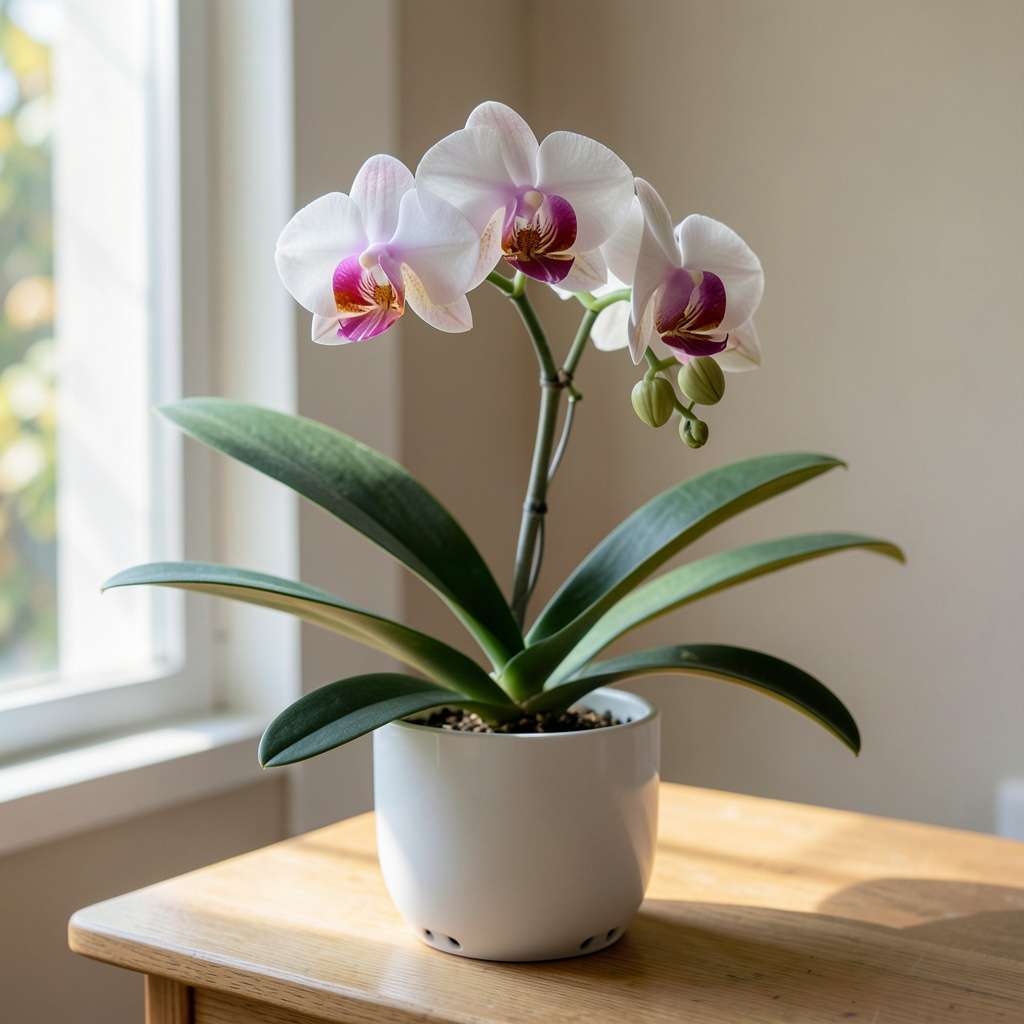
Orchids are typically perennial plants, not annuals, thriving for many years with proper care. Their growth cycles and long-term survival distinguish them from true annuals.
Understanding why these plants are perennials is crucial for anyone interested in gardening. 🌱 Unlike annuals, which complete their life cycle in one year, orchids can live for decades if cared for correctly. They have unique blooming patterns and require specific environmental conditions to flourish, making them a rewarding choice for dedicated plant lovers.
With the right light, water, and nutrients, I find that orchids not only survive but thrive, showcasing beautiful flowers year after year. Their longevity can be enhanced by understanding their dormancy phases and adjusting care accordingly. 🌼
💡 In This Article
Orchids are classified as perennials due to their remarkable growth patterns and life cycles. Unlike annual plants that complete their life cycle in a single season, orchids can live for many years—some even decades—if provided with the right care. 🌱
The key to their longevity lies in their unique blooming cycles. Orchids often bloom once or twice a year, depending on the species, and they have specific dormancy periods where they conserve energy. During these times, it’s crucial to adjust care practices to ensure they thrive when the growing season returns. 🌼
Environmental factors play a significant role in how well orchids grow and bloom. They require precise light conditions—typically bright, indirect sunlight—and humidity levels around 40-70%. This is why many enthusiasts invest in humidity trays or mist their plants regularly to mimic their natural habitat. 🌿
In contrast to annuals, which must be replanted each year, orchids can produce new growth cycles from the same root system over time. This regenerative capability enables them to adapt to changes in their environment, ensuring their survival and continued beauty. Understanding this aspect helps gardeners appreciate their unique resilience. 💚
Moreover, species variation adds another layer of complexity to orchid care. For instance, Phalaenopsis orchids thrive in lower light conditions while Cattleyas prefer brighter spots. Knowing these specifics allows gardeners to create optimal environments tailored to each orchid type, enhancing their growth potential. 🌟
As someone who has cultivated various orchids, I’ve found that consistent monitoring of their needs can lead to spectacular blooms year after year. With patience and the right techniques, you can enjoy the vibrant colors and exquisite forms that these plants offer. 🌸
