
Beautiful Plants For Your Interior
Beautiful Plants For Your Interior
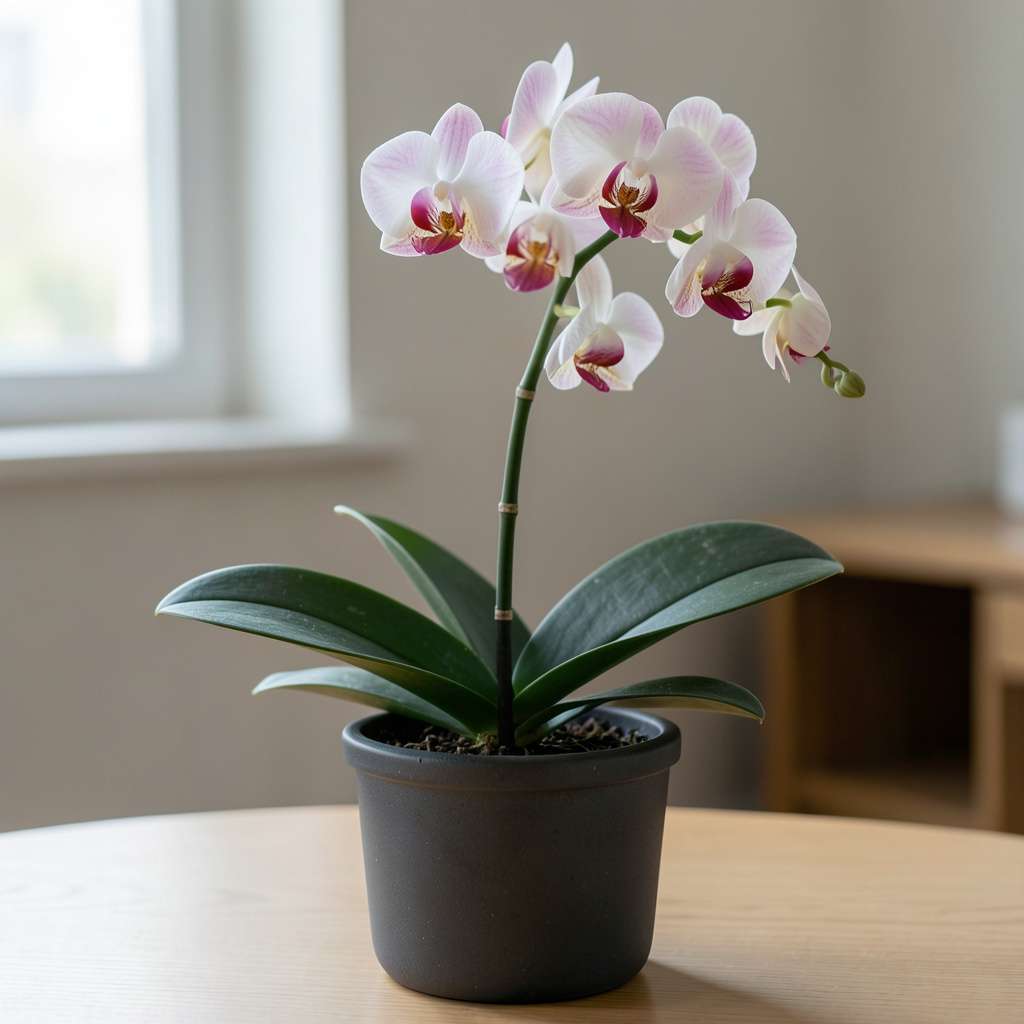
Orchids and air plants are distinct: orchids often grow on trees but have specialized roots, while air plants (Tillandsias) absorb nutrients directly from air. Not all orchids are air plants.
Understanding the differences between these two plant types is essential for proper care. 🌱 Orchids typically attach to trees and utilize their roots for stability and moisture absorption, while air plants thrive solely on air, gathering nutrients from their environment. This unique adaptation makes them ideal for different growing conditions and care routines.
When caring for these plants, it’s crucial to recognize their specific needs. For instance, orchids generally require more humidity and indirect light, while air plants prefer bright, filtered light and can withstand drier environments. 🌞 By tailoring your approach, you’ll help both types flourish beautifully in your home or garden.
💡 In This Article
To fully grasp the distinction between these fascinating plant types, we must explore their unique biological characteristics. Orchids typically possess specialized roots that allow them to anchor themselves to trees, utilizing these roots for moisture and nutrient absorption.
This adaptation is essential for their survival in their natural habitats, where they often grow high up in the canopy. 🌳
In contrast, air plants, or Tillandsias, have evolved to absorb moisture and nutrients directly from the air through tiny structures called trichomes on their leaves. These trichomes are crucial for their survival, enabling them to thrive in environments where water is scarce.
For instance, some Tillandsia species can collect moisture from morning dew or rain, making them highly resilient in their native habitats. 💧
The way orchids and air plants grow is also significantly different. Orchids often develop thick, fleshy roots that are designed to cling to surfaces, while air plants have a more delicate appearance with wiry leaves that spiral outward. Understanding these growth habits helps in providing appropriate care tailored to each plant’s needs. 🌿
When considering how to nurture these plants, it’s vital to note their specific requirements. For instance, orchids thrive in humid environments with indirect sunlight, while air plants prefer bright, filtered light and can tolerate lower humidity levels.
This means that the conditions you create for each plant type will greatly influence their health and growth. ☀️
Additionally, the watering techniques differ greatly between the two. Orchids typically require a soaking method, allowing excess water to drain out of their pots, while air plants benefit from misting or soaking for short periods—usually around 20-30 minutes—to prevent rot. By adjusting your care approach, you’ll help both types flourish beautifully in your space. 🌼
In summary, while both orchids and air plants are stunning in their own right, they exhibit distinct biological traits and care needs that set them apart. Understanding these differences will allow you to create a thriving environment for each type, ensuring they both reach their full potential. 🌱
