
Beautiful Plants For Your Interior
Beautiful Plants For Your Interior
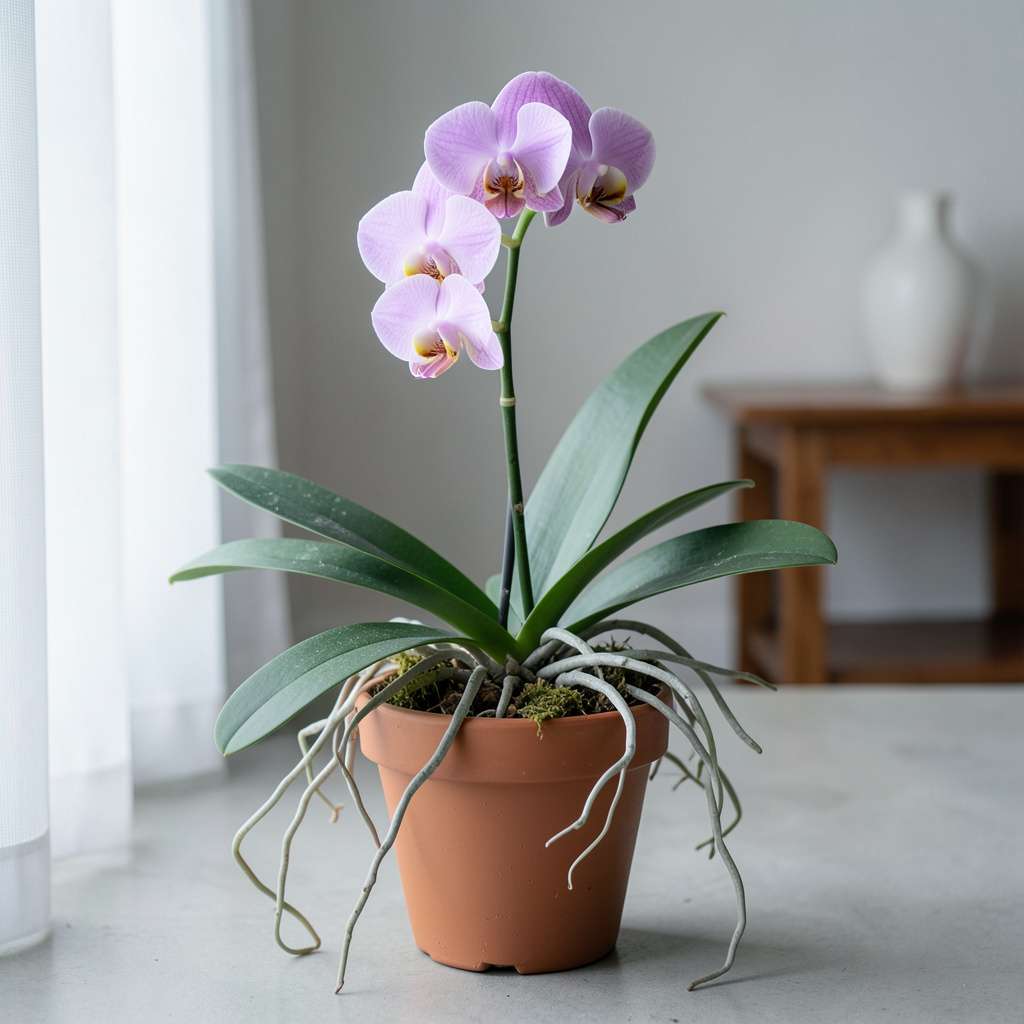
Yes, orchid roots naturally grow above ground as epiphytes, allowing air circulation and moisture absorption. However, roots should not be fully exposed to prevent drying out; proper potting with orchid bark ensures balanced exposure.
Orchids thrive in environments where their roots can breathe and absorb humidity, which is why they often grow above ground. 🌿 This unique adaptation allows them to gather moisture and nutrients from the air and surrounding environment. It’s crucial to strike a balance—while some exposure is beneficial, too much can lead to desiccation. Therefore, using the right potting materials helps maintain the right moisture levels, ensuring the health of your plants.
Additionally, I find that keeping an eye on the condition of the roots can provide valuable insights into your orchid’s overall well-being. If you notice signs of stress, like shriveling or browning, it may indicate that adjustments are necessary. 🌱
💡 In This Article
Orchids are fascinating because of their unique adaptation as epiphytes, allowing their roots to grow above ground. This adaptation helps them absorb moisture and nutrients directly from the humid air in their natural habitats. 🌿
The roots of epiphytic orchids are designed to capture and retain moisture, thanks to their velamen—a spongy layer that can absorb water quickly. This is particularly beneficial in rainforests, where humidity levels can soar to around 80%. The velamen allows the roots to stay hydrated even when not in direct contact with soil. 🌧️
In contrast, terrestrial orchids typically grow in soil, where their roots are less exposed. These roots rely on soil moisture and nutrients for survival, making them less dependent on humidity. This distinction highlights the evolutionary strategies different orchid species have developed to thrive in varying environments. 🌱
When considering root exposure, it’s essential to understand how this affects nutrient uptake. Exposed roots can absorb organic matter and microorganisms from the air, contributing to the orchid’s overall nutrition. However, too much exposure can lead to drying out, which is detrimental to the plant’s health. 🔍
For gardeners, replicating these conditions is key. Using materials like orchid bark or sphagnum moss in potting mixes can help mimic the natural growing environment, allowing for adequate air circulation while preventing root desiccation. This balance is critical for maintaining healthy orchids over time. 🌟
