
Beautiful Plants For Your Interior
Beautiful Plants For Your Interior
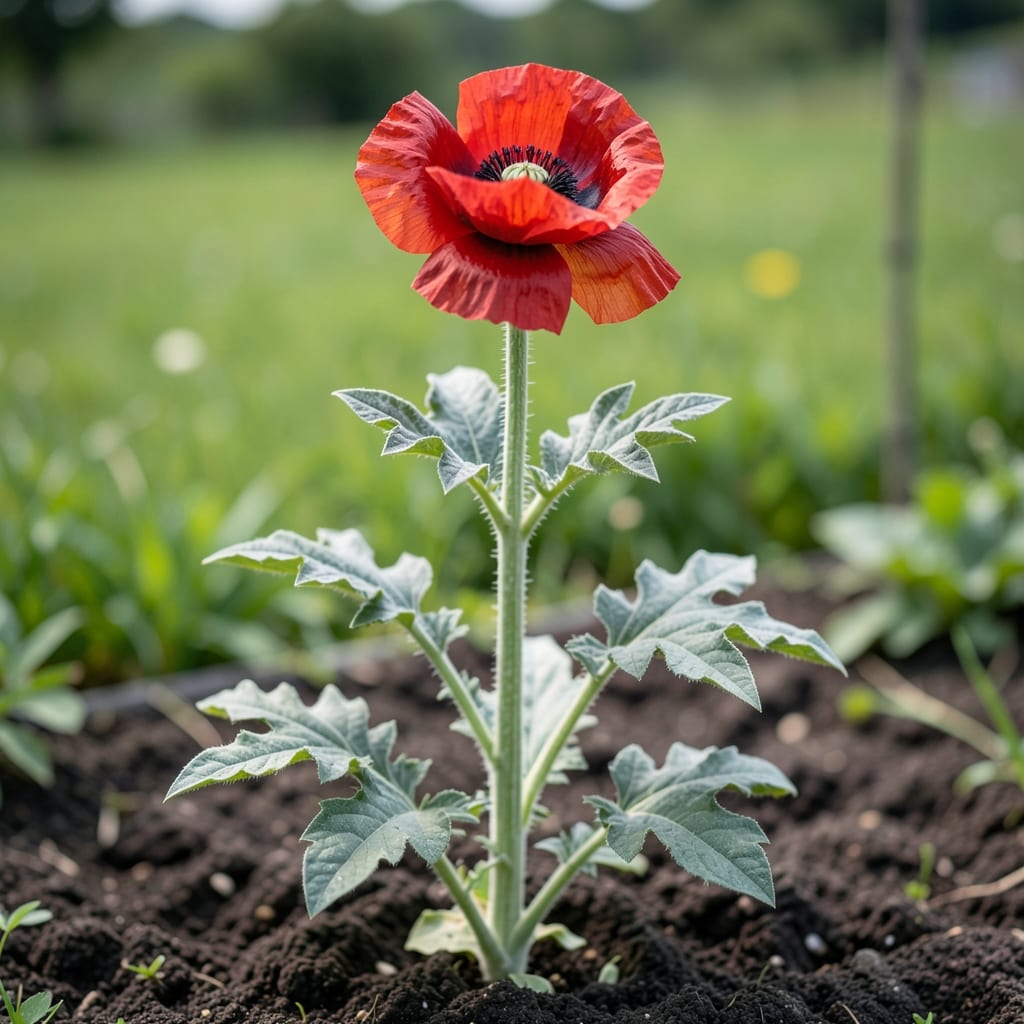
Yes, growing opium poppies is illegal in the US under federal law due to their classification as a controlled substance. Possession or cultivation can result in severe penalties.
This prohibition stems from their potential to produce opium, a highly regulated narcotic. The DEA enforces strict controls because even small-scale cultivation can contribute to illegal drug production. 🔥 I’ve seen cases where gardeners unknowingly planted these, facing serious legal consequences. Always verify plant legality before adding anything new to your garden.
💡 In This Article
The Controlled Substances Act of 1970 classifies opium poppies (Papaver somniferum) as a Schedule II controlled substance. This means they’re considered to have a high potential for abuse, accepted medical uses, and severe dependence risk. The DEA enforces this classification because the plant’s latex can be processed into opium, morphine, and heroin.
Federal law prohibits cultivation without explicit DEA licensing, which is rarely granted to individuals. Even possessing seeds or dried pods can trigger legal action if intent to cultivate is suspected. Penalties range from 5-40 years imprisonment and fines up to $5 million, depending on quantity and intent.
State laws often mirror these federal restrictions, creating a uniform prohibition nationwide.
The key factor is the plant’s ability to produce alkaloids like morphine and codeine. These compounds form in the latex when the seed pods are scored, a process regulated under 21 U.S. Code § 841. The DEA monitors seed distributions, as even ornamental varieties can produce trace amounts of controlled substances. 🔥
What most people don’t realize is that the prohibition extends beyond the plants themselves. Importing opium poppy seeds or pods without permits is also illegal under 21 CFR § 1308.12. Customs agents regularly seize shipments, and individuals have faced prosecution for ordering seeds online from overseas suppliers.
Law enforcement prioritizes cases where cultivation appears intentional. However, ignorance isn’t a defense—gardeners have been prosecuted for growing what they thought were merely beautiful flowers. The DEA’s stance is clear: any part of the plant capable of producing controlled substances falls under these strict regulations.
This legal framework exists because opium poppies represent a direct link to the illegal drug trade. The same plant that produces stunning blooms can, with minimal processing, yield substances that fuel addiction and crime. The federal government maintains these restrictions to prevent even small-scale contributions to drug production.
Even unintentional cultivation is illegal under federal law. You could face serious penalties, including fines or imprisonment, regardless of intent. Always verify plant legality before gardening.
Possessing seeds can be illegal if intent to cultivate is suspected. The DEA monitors seed distributions, and importing them without permits violates 21 CFR § 1308.12.
Yes, but only legal varieties like Iceland poppies or California poppies. Avoid any with Papaver somniferum in the name, as these are prohibited.
Papaver somniferum produces opium, morphine, and codeine, making it a controlled substance. Other poppies lack these narcotic compounds, so they’re unrestricted.