
Beautiful Plants For Your Interior
Beautiful Plants For Your Interior
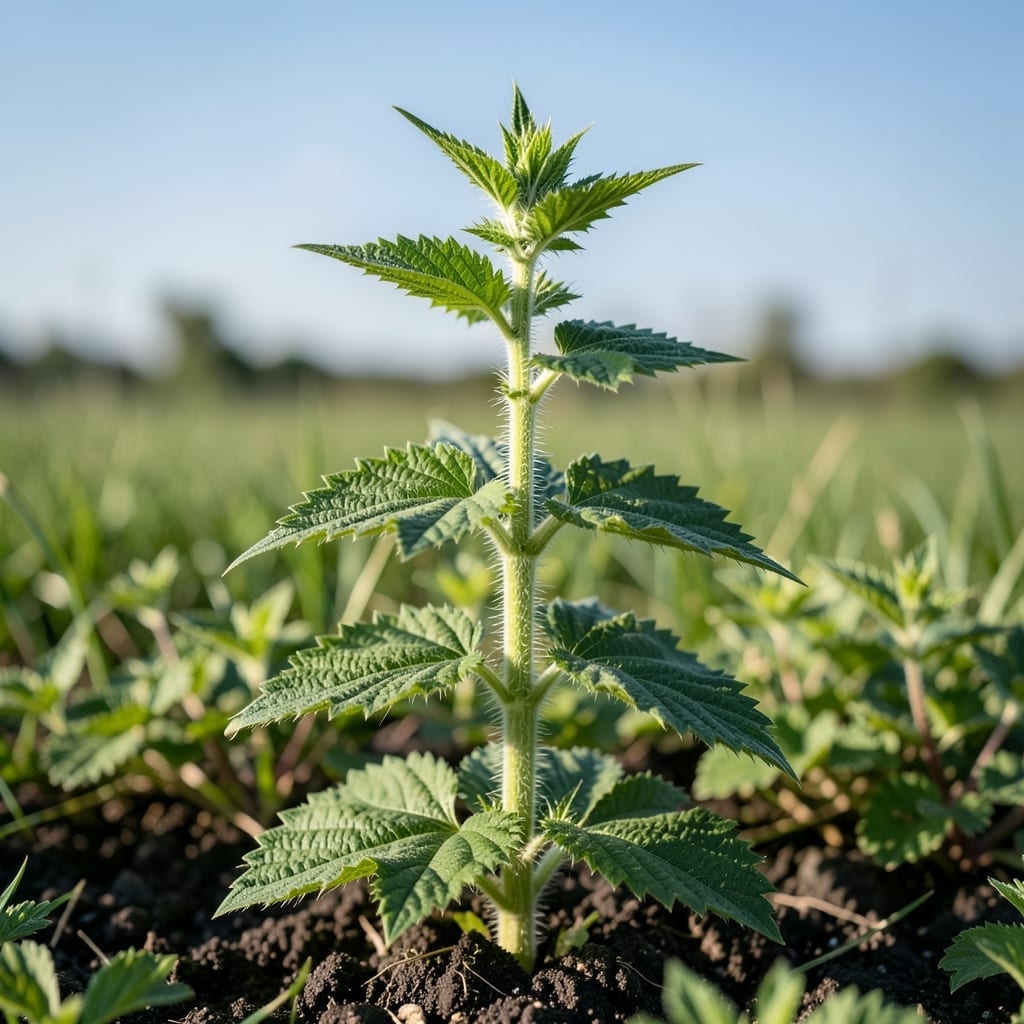
Nettles are highly nutritious, packed with vitamins A, C, and K, iron, calcium, and antioxidants. They support immune function, bone health, and may reduce inflammation.
I’ve found nettles to be a powerhouse green that often outshines spinach or kale in nutrient density. Vitamin K alone is off the charts—just 1 cup of cooked nettles delivers more than your daily needs. What’s fascinating is how they’ve been used for centuries in traditional medicine to ease joint pain and seasonal allergies. ✨
💡 In This Article
Stinging nettles pack a dense nutritional profile that rivals superfoods like kale. A 100g serving of raw nettles contains 290% DV of vitamin A, 172% DV of vitamin C, and a staggering 1049% DV of vitamin K. These levels surpass spinach in nearly every category, making them a top-tier leafy green. 🔥
The mineral content is equally impressive. Nettles offer 8.98mg of iron per 100g—more than double what you’d find in the same amount of spinach. They also provide 481mg of calcium and 79mg of magnesium, supporting both bone density and muscle function. Their potassium content (334mg) aids in maintaining healthy blood pressure levels.
What sets nettles apart are their bioactive compounds. They’re rich in flavonoids like quercetin and kaempferol, which have strong anti-inflammatory properties. The plant also contains phenolic acids and carotenoids that contribute to its antioxidant capacity, measured at 9.8mmol TE/100g—higher than blueberries. ✨
Nettles stand out for their protein content too, with 2.9g per 100g raw. This is exceptional for a leafy green, containing all essential amino acids. Their fiber content (2.6g) supports digestive health while their low calorie count (42kcal) makes them perfect for nutrient-dense diets. 💫
Compared to other greens, nettles offer more iron than kale, more calcium than collard greens, and more vitamin C than parsley. Their unique combination of nutrients works synergistically—vitamin C enhances iron absorption, while vitamin K supports calcium utilization in bones. This nutritional synergy explains their historical use in spring tonics and healing remedies.
Nettles outperform spinach in most categories, with 290% DV vitamin A vs spinach’s 188% and 172% DV vitamin C vs 28%. They also contain 8.98mg iron per 100g, more than double spinach’s amount.
Never eat raw nettles—their sting can cause skin irritation. Always cook or dry them first to neutralize the formic acid. Once processed, they’re safe and delicious in teas, soups, or sautéed dishes.
Store dried nettles in an airtight container away from light and moisture. They’ll stay fresh for up to 6 months. Keep the container in a cool, dark place like a pantry for best results.
Yes! Their high antioxidant content (9.8mmol TE/100g) fights inflammation, and their vitamin K supports bone health. They’ve been traditionally used to ease joint pain and seasonal allergies.