
Beautiful Plants For Your Interior
Beautiful Plants For Your Interior
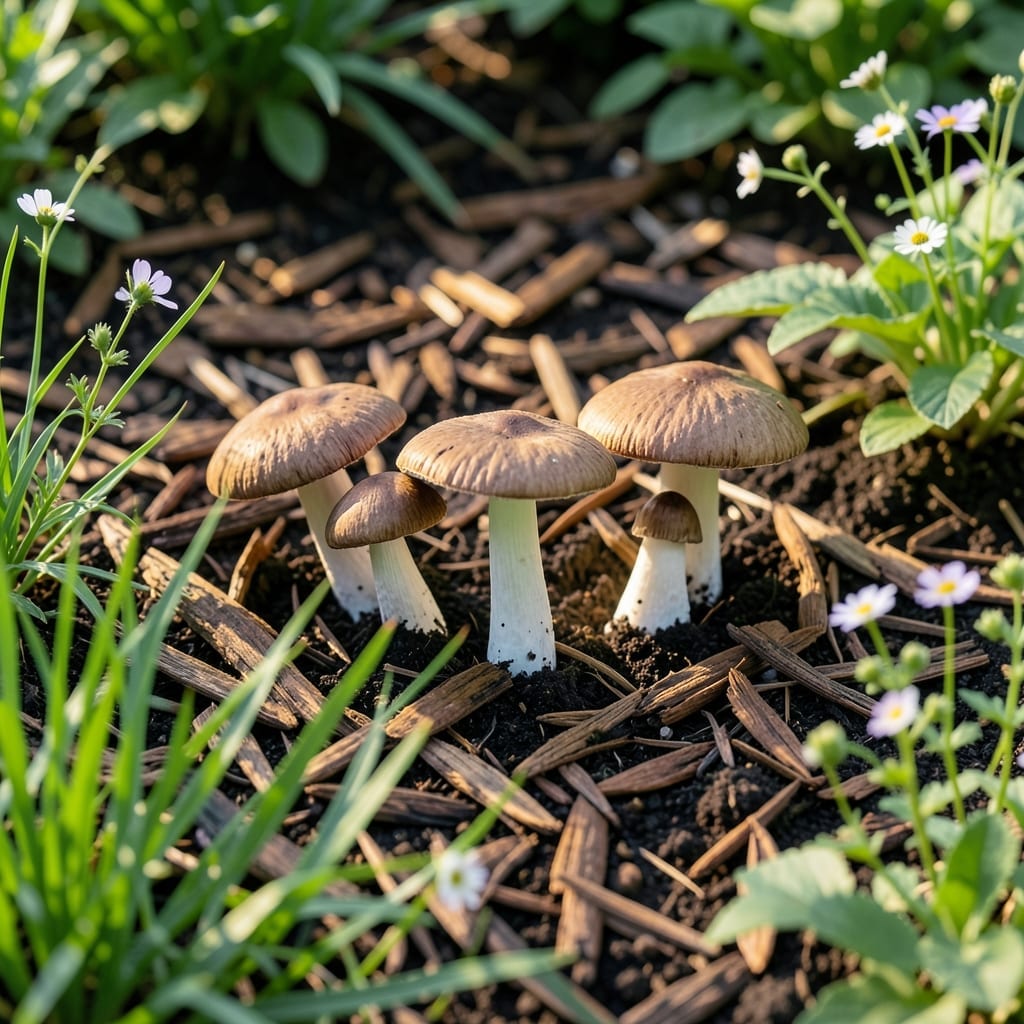
Most garden mushrooms are harmless and even beneficial, decomposing organic matter to enrich soil. However, some can be toxic to pets or humans, so identification is crucial before handling.
I see these fungi as nature’s cleanup crew—they break down leaves and wood, returning nutrients to the earth. 🌟 The ones you should worry about often have distinct features like white gills, a ring around the stem, or a bulbous base. I always recommend using a field guide or consulting a mycologist if you’re unsure, since even experts can misidentify them.
What’s fascinating is how they signal a thriving ecosystem beneath your feet. ✨
💡 In This Article
Fungi thrive in moist, organic-rich soil, breaking down dead plant material through enzymatic action. They secrete enzymes like cellulase and ligninase that decompose complex compounds into simpler nutrients. This process releases nitrogen, phosphorus, and carbon back into the earth, acting as nature’s recycling system. 🔥
Garden mushrooms often appear after rain or heavy watering when soil moisture exceeds 60%. Their mycelium networks—thread-like structures called hyphae—can stretch for miles underground, connecting plant roots in a symbiotic relationship. This underground web helps plants absorb water and minerals more efficiently.
The presence of mushrooms typically indicates healthy, well-aerated soil with active microbial life. They’re especially common in wooded areas or gardens with mulch, compost, or decaying roots. A single square meter of healthy soil can contain up to 8 miles of fungal hyphae, working silently to improve soil structure.
Different species play distinct roles: saprophytic fungi decompose dead matter, while mycorrhizal fungi form mutualistic relationships with plant roots. The latter can increase plant growth by up to 50% through enhanced nutrient uptake. This invisible partnership explains why gardens with mushrooms often have more vigorous plant life. ✨
Seasonal temperature fluctuations also trigger mushroom growth. Most species fruit when soil temperatures range between 50-70°F, with spring and fall being peak seasons. The sudden appearance of mushrooms after temperature shifts often surprises gardeners, but it’s simply nature’s way of balancing the ecosystem. 💫
Only if they pose a risk to pets or children. Most are harmless and benefit soil health by breaking down organic matter. Removing them won’t stop mycelium growth underground.
Avoid those with white gills, a ring around the stem, or a bulbous base. Bright colors like red or pure white caps can also signal danger. Always consult an expert for confirmation.
Rarely. Most mushrooms indicate healthy soil and actually help plants by decomposing organic matter. However, some parasitic types can attack living plants.
They thrive after rain or watering when soil moisture exceeds 60%. Peak seasons are spring and fall when soil temperatures are between 50-70°F.