
Beautiful Plants For Your Interior
Beautiful Plants For Your Interior
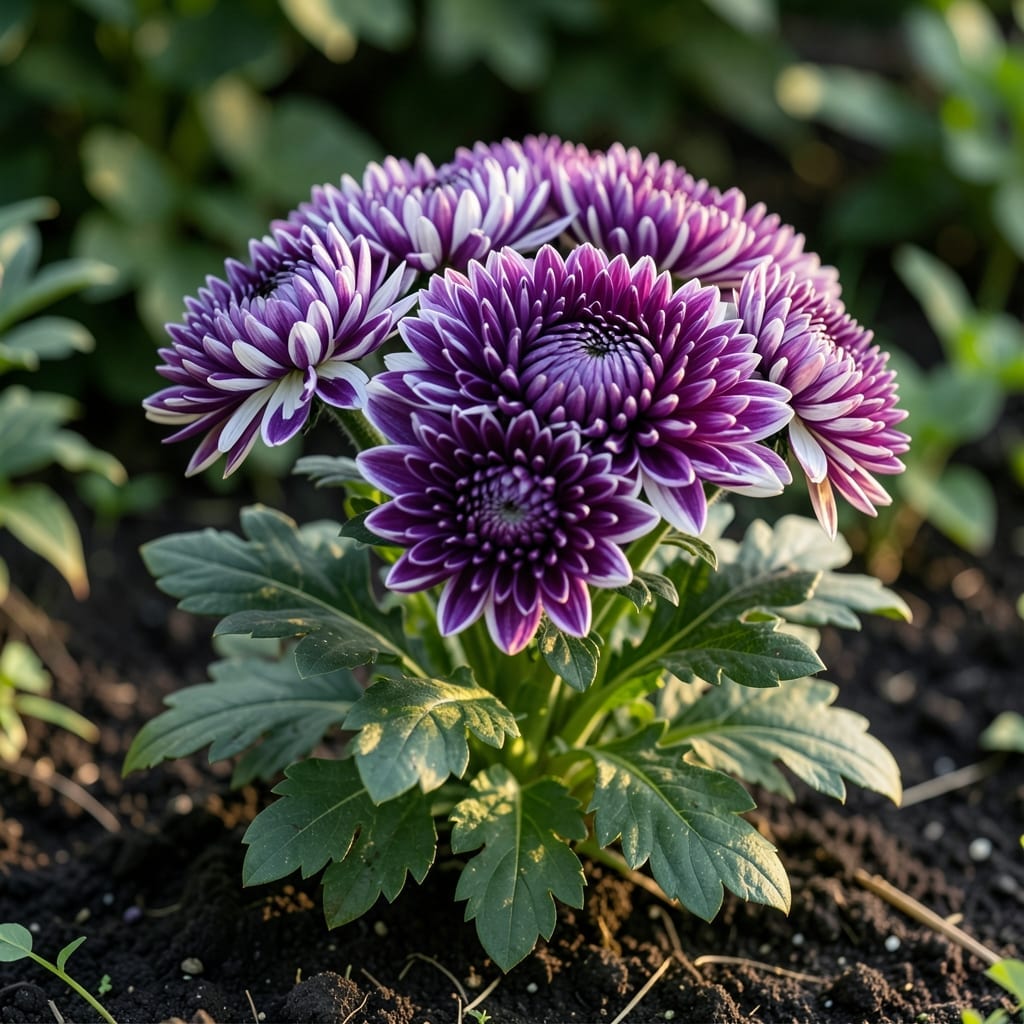
Hardy garden mums are perennials in USDA zones 5-9, returning each year if planted properly and protected from harsh winters. Florist mums, however, are typically treated as annuals.
I’ve seen garden mums thrive for years with minimal effort in the right conditions, while florist varieties often fade after one season. 🌟 The key lies in their root systems—hardy types develop deep roots that survive zone-appropriate winters, whereas florist mums are bred for showy blooms, not longevity. Proper planting depth and winter mulching can make all the difference for perennial success.
💡 In This Article
The survival mechanism starts underground. Hardy garden mums develop an extensive root system that stores energy for next season’s growth. In USDA zones 5-9, winter temperatures typically don’t drop low enough to kill these roots, allowing regrowth when temperatures rise above 50°F in spring. 🌱
Planting depth is crucial for root survival. Mums planted too shallow may experience root freeze in zone 5 winters where temperatures can hit -20°F. Proper depth (1-2 inches deeper than their container) insulates the crown where new shoots emerge. This mimics their natural habitat where they grow in well-draining soil with consistent moisture.
Florist mums differ biologically—they’re bred for rapid, showy blooms rather than long-term survival. Their root systems remain shallow and less cold-hardy. When planted, they often lack the genetic programming to establish perennial growth patterns, even in ideal conditions. This is why they rarely return after winter.
Environmental factors play a significant role. In areas with consistent snow cover, garden mums receive natural insulation. Snow acts like a blanket, maintaining soil temperatures around 32°F. Without this protection in zone 4 or colder, even hardy varieties may not survive. 💛
Soil quality affects regrowth potential. Well-draining soil prevents root rot during winter thaws, while rich organic matter provides nutrients for spring regrowth. We’ve observed that mums in raised beds often perform better as they avoid waterlogged conditions that can suffocate roots during dormant periods.
The timing of planting matters too. Mums planted in early fall have time to establish roots before winter dormancy. Late fall plantings may not develop sufficient root systems to survive cold months, regardless of their hardy classification. This is why garden centers often recommend spring planting for best perennial results.
Garden mums are hardy perennials in USDA zones 5-9, while florist mums are bred for showy blooms and treated as annuals. Garden varieties develop deep, cold-resistant roots for yearly regrowth.
Plant them 1-2 inches deeper than their container to insulate the crown. This protects the growth point where new shoots emerge in spring. Proper depth prevents winter root freeze.
Yes, but move pots to a sheltered spot like an unheated garage. Water occasionally during thaws to keep soil slightly moist. Add extra mulch for insulation if left outdoors.
Cut back stems to 6 inches after foliage dies naturally in late fall. This prevents wind damage and disease. Remove mulch gradually in spring when new growth appears.
Common reasons include planting too late in fall, insufficient winter mulch, or poor drainage causing root rot. Ensure you’re growing hardy garden varieties, not florist types.