
Beautiful Plants For Your Interior
Beautiful Plants For Your Interior
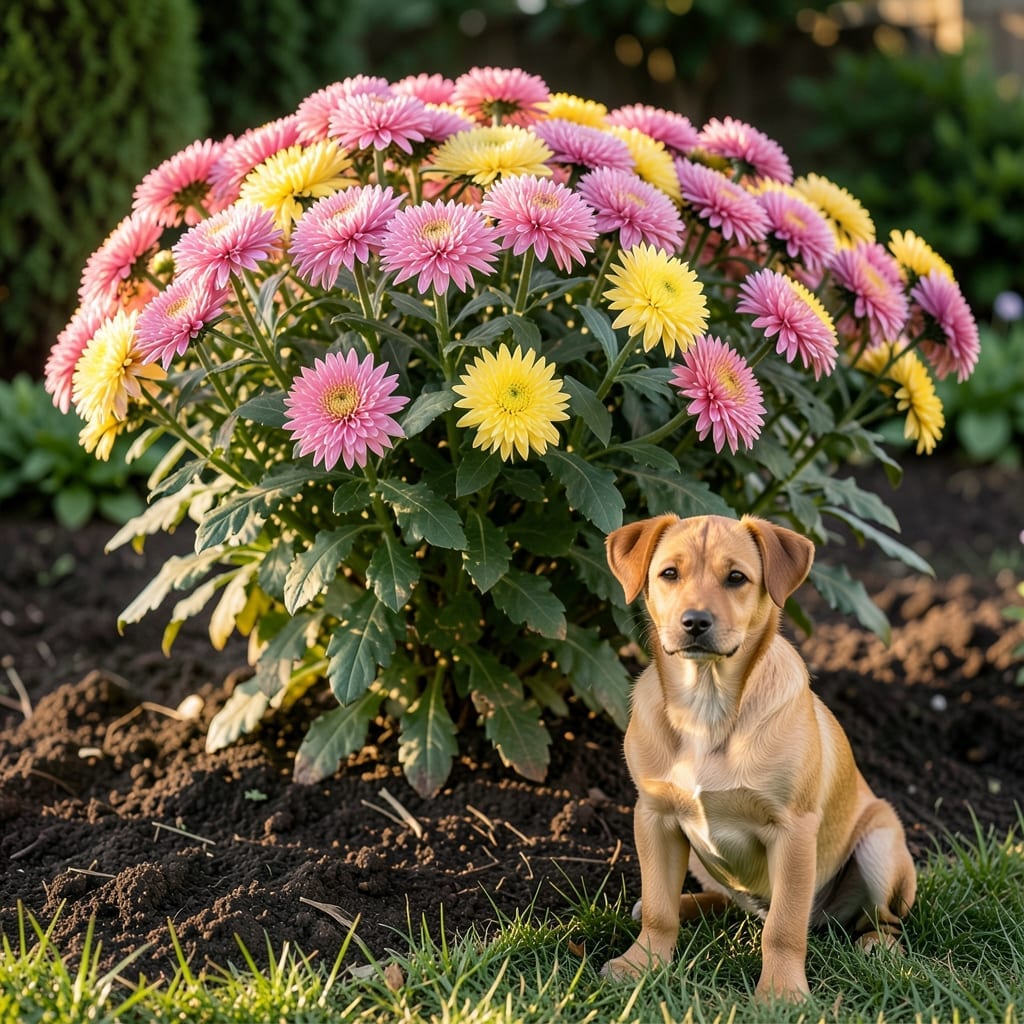
Yes, mums are toxic to dogs. Ingesting any part of the plant can cause vomiting, diarrhea, drooling, incoordination, and skin irritation due to compounds like pyrethrins and sesquiterpene lactones.
These natural compounds disrupt a dog’s nervous system, leading to rapid symptoms that can escalate without treatment. 🔥 I’ve seen cases where even small amounts caused noticeable distress, so immediate action is crucial. Pet owners should watch for lethargy or loss of coordination, as these often appear within hours of ingestion.
💡 In This Article
Chrysanthemums contain pyrethrins and sesquiterpene lactones, natural compounds that act as potent neurotoxins in dogs. These substances target the nervous system by disrupting sodium channels in nerve cells, causing uncontrolled electrical activity. The result is a cascade of symptoms, from mild gastrointestinal upset to severe neurological distress. 🔥
The digestive system reacts first, with pyrethrins irritating the mouth and stomach lining. Within 30 minutes to 2 hours, dogs often vomit or develop diarrhea as their bodies attempt to expel the toxins. Meanwhile, sesquiterpene lactones cross into the bloodstream, affecting muscle coordination and balance.
Even small doses—as little as 1-2 leaves—can trigger noticeable symptoms in a 20-pound dog. ✨
What makes these compounds particularly dangerous is their stability. Unlike some plant toxins that degrade quickly, pyrethrins remain active for hours in a dog’s system. The liver struggles to metabolize them efficiently, prolonging exposure. This is why symptoms can persist for 24-48 hours without veterinary intervention. 💫
Dermatological reactions are another concern. Direct contact with mum sap can cause skin irritation, redness, or itching. The compounds bind to skin proteins, triggering an immune response. Dogs that dig around or chew on the plant stems often develop localized rashes or hives within 12-24 hours of exposure. ⚡
Breed sensitivity varies, but smaller dogs and puppies are at higher risk due to their lower body weight. A 10-pound terrier ingesting a single mum flower head may experience more severe symptoms than a 70-pound Labrador eating the same amount. The toxicity threshold is low, making prevention critical for all dog owners.
Watch for excessive drooling, vomiting, or diarrhea within 30 minutes to 6 hours. Skin contact may cause redness or itching. Neurological signs like wobbliness can appear later.
Even 1-2 leaves can trigger symptoms in a 20-pound dog. Smaller breeds face higher risk. The toxins remain active for 24-48 hours in their system.
Yes, all chrysanthemum types contain pyrethrins and sesquiterpene lactones. Garden mums, florist mums, and wild varieties pose the same risk.
Use cool water and mild dog shampoo. Avoid human soaps. Rinse thoroughly to prevent skin absorption. Call your vet after cleaning.