
Beautiful Plants For Your Interior
Beautiful Plants For Your Interior
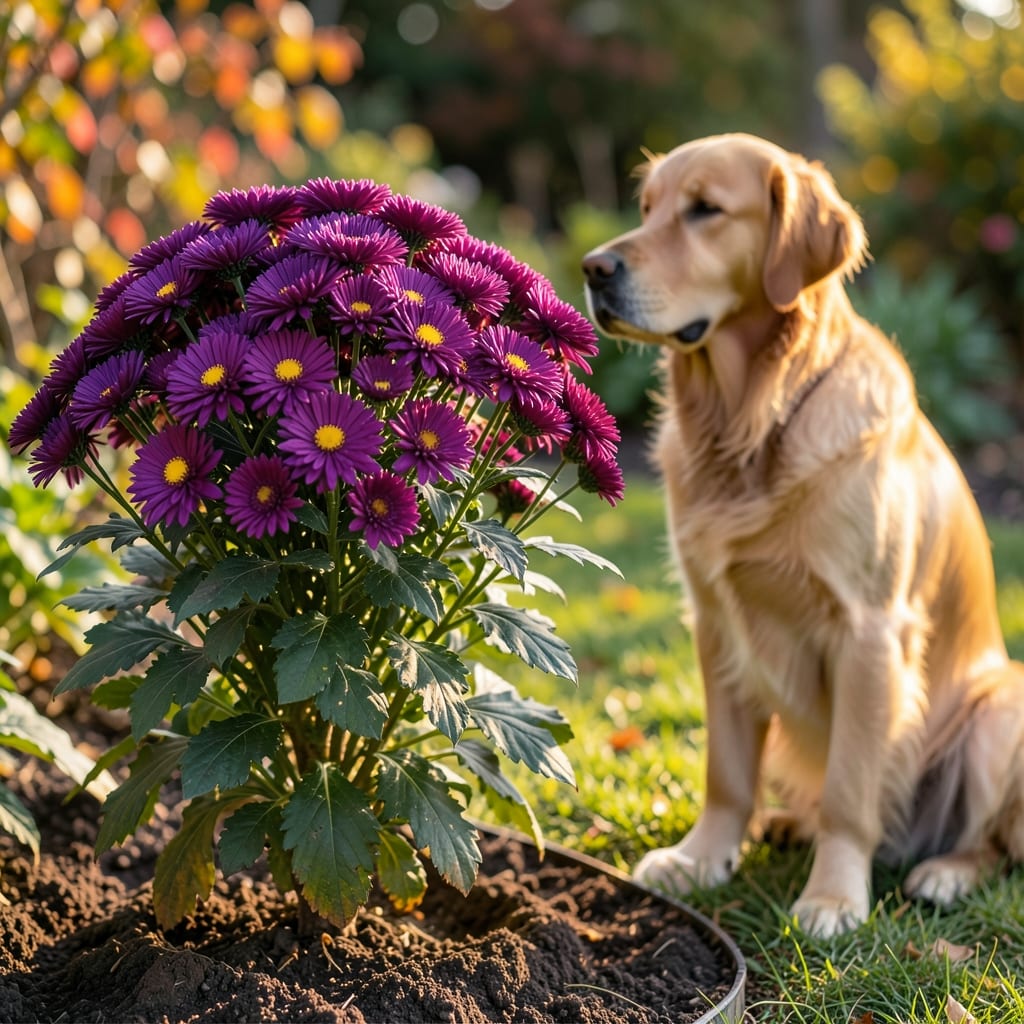
Yes, garden mums contain pyrethrins and other compounds that are toxic to dogs, causing vomiting, diarrhea, drooling, and lethargy if ingested. Severe cases may require veterinary care.
I’ve seen these flowers trigger gastrointestinal distress in pets within 30 minutes of ingestion. The pyrethrins attack a dog’s nervous system, which is why even small amounts can lead to coordination issues. 🔥
If you suspect your pup has nibbled on mums, watch for excessive salivation or loss of appetite—these are early warning signs that demand action.
💡 In This Article
The toxicity stems from pyrethrins, natural insecticides produced by chrysanthemum plants. These compounds target the sodium channels in a dog’s nervous system, causing uncontrolled nerve signaling. Even 0.2% of a dog’s body weight in ingested plant material can trigger severe neurological symptoms, including tremors and seizures.
Pyrethrins disrupt normal cell function by keeping sodium channels open too long. This leads to hyperexcitation in the brain and muscles. Dogs typically show signs within 30-60 minutes, starting with gastrointestinal distress.
The severity depends on the amount consumed relative to the dog’s size—a 10-pound terrier is at far greater risk than a 60-pound labrador from the same quantity. 🔥
Beyond pyrethrins, mums contain sesquiterpene lactones that cause skin irritation and additional toxicity. These compounds are concentrated in the flower heads but present throughout the plant. Unlike some toxins that are broken down by cooking, these remain dangerous whether the plant is fresh, dried, or wilted.
Veterinary studies show that 90% of reported cases involve mild to moderate symptoms when treated promptly. However, without intervention, the nervous system effects can progress to life-threatening complications. The ASPCA’s Animal Poison Control Center receives thousands of calls annually about chrysanthemum exposure in pets.
Dogs are particularly vulnerable because their metabolism lacks efficient pathways to detoxify these plant compounds. While cats may avoid bitter-tasting plants, dogs often investigate with their mouths, increasing exposure risk. The effects are cumulative—repeated small exposures can build up to dangerous levels over time. ⚡
Even small amounts can cause issues. Ingestion of 0.2% or more of your dog’s body weight in plant material may trigger severe symptoms like tremors. A 10-pound dog is at higher risk than a 60-pound one from the same quantity.
Early symptoms appear within 30-60 minutes and include vomiting, diarrhea, and excessive drooling. Watch for lethargy or loss of appetite as additional red flags.
Never induce vomiting or use home remedies without professional guidance. Contact your vet or ASPCA Poison Control at 888-426-4435 immediately for safe advice.
No, the toxic compounds (pyrethrins and sesquiterpene lactones) remain dangerous whether the plant is fresh, dried, or wilted. Avoid all forms around pets.