
Beautiful Plants For Your Interior
Beautiful Plants For Your Interior
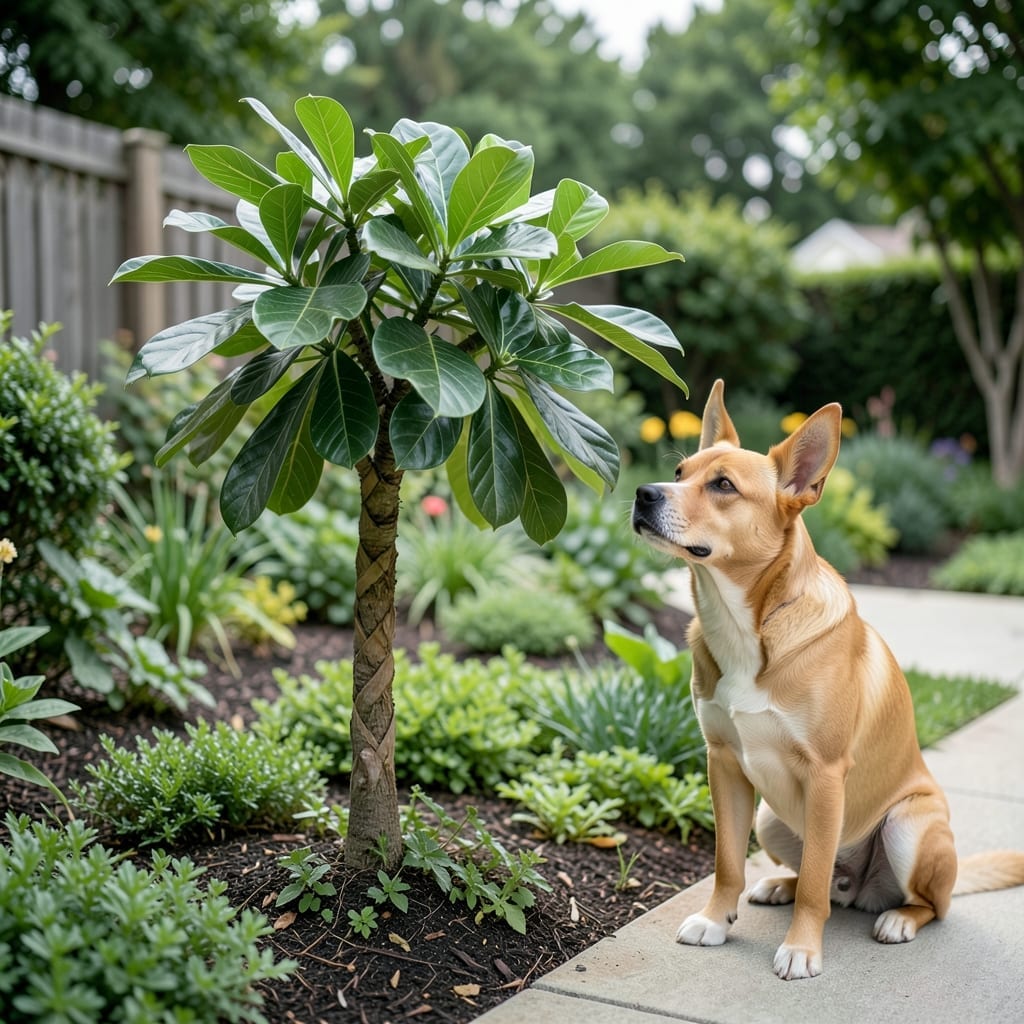
The Pachira aquatica contains no known toxic compounds like calcium oxalate crystals (found in philodendrons) or cardiac glycosides (present in oleanders). This absence is what places it on the ASPCA’s non-toxic list for dogs and cats alike. Unlike many popular houseplants, its leaves, stems, and roots don’t trigger gastrointestinal irritation or systemic poisoning when ingested.
🔥
Scientifically, this species belongs to the Malvaceae family, which is distinct from highly toxic plant families like Araceae (which includes peace lilies). The ASPCA’s verification process involves rigorous testing for common pet toxins, and money trees consistently pass these safety checks.
This makes them a rare find among decorative plants that can coexist safely with pets.
What sets money trees apart is their chemical makeup. While plants like sago palms contain cycasin—a compound that causes liver failure in dogs—money trees produce none of these harmful substances. Their sap, often a concern with other plants, is also non-irritating to canine skin or mucous membranes.
This makes them ideal for homes where curious pups might investigate new additions to their environment.
For comparison, consider that just 1-2 grams of sago palm seeds can be fatal to a 20-pound dog, while a money tree’s entire foliage poses no such risk. Even the soil used for money trees is typically safer, as these plants don’t require the toxic fertilizers some other houseplants need to thrive. ✨
This safety profile extends to all parts of the plant, including the distinctive braided trunk. While excessive consumption of any plant material might cause mild stomach upset due to fiber content, money trees won’t produce the severe symptoms associated with truly toxic plants like vomiting, diarrhea, or neurological issues.
No need to panic—money trees are non-toxic. Monitor your pup for any mild stomach upset. If they show unusual symptoms, contact your vet as a precaution.
Yes! The leaves, stems, braided trunk, and roots contain no harmful compounds. While not nutritious, none of the plant parts are poisonous to canines.
Extremely unlikely. Money trees don’t produce common allergens. However, if your dog shows signs of an allergic reaction, remove the plant and consult your vet.
Avoid sago palms, lilies, pothos, and philodendrons. These contain compounds that can cause severe poisoning. Always check the ASPCA list before bringing new plants home.