
Beautiful Plants For Your Interior
Beautiful Plants For Your Interior
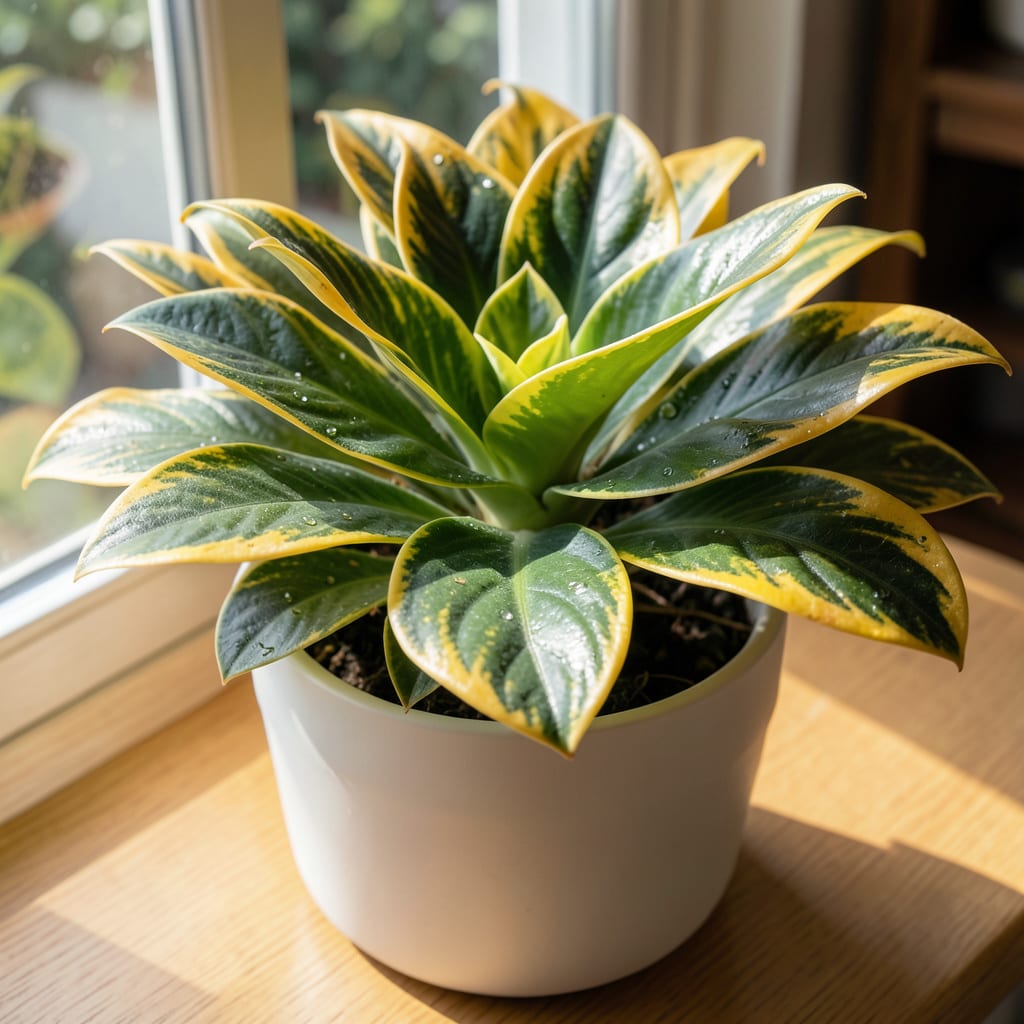
Yellow leaves on your prayer plant aren’t a death sentence. I’ve nursed dozens back from the brink with simple adjustments that anyone can make at home.
Most cases come down to three things: too much water, not enough light, or soil that’s past its prime. The good news? Each has an easy fix that shows results in 1-2 weeks.
You’ll see new growth emerge in that signature vibrant green once you dial in the care. The patterns on the leaves return, the stems firm up, and your plant starts looking like itself again.
Works for any prayer plant variety, from classic marantas to rare calatheas. Here’s how to diagnose and treat it.
Understanding why prayer plant leaves turn yellow starts with identifying the root causes. Here’s a breakdown of the most frequent culprits, along with the science behind them:
Excess water suffocates the roots, preventing oxygen uptake and leading to root rot. Prayer plants (Maranta leuconeura) thrive in moist but not soggy soil. When roots drown, they can’t absorb nutrients, causing chlorophyll breakdown—hence, yellow leaves. Check the soil: If it’s waterlogged or smells foul, it’s time to adjust your watering routine.
Prayer plants are low to medium-light lovers. Too little light (e.g., a dim corner) slows photosynthesis, starving the plant of energy and causing yellowing (chlorosis). Conversely, direct sunlight scorches leaves, damaging their cells and leading to discoloration. Aim for bright, indirect light (1,000–2,000 foot-candles) for optimal health.
These tropical natives prefer 65–80°F (18–27°C) and 50–60% humidity. Drafts, AC vents, or dry air (below 40% humidity) stress the plant, triggering leaf yellowing as a survival response. Cold shock (below 50°F/10°C) can also disrupt cellular function, leading to necrosis.
A lack of nitrogen, magnesium, or iron often manifests as yellow leaves. Nitrogen deficiency causes uniform yellowing (starting with older leaves), while magnesium or iron shortages lead to interveinal chlorosis (yellowing between veins). Use a balanced, diluted fertilizer (e.g., 10-10-10 NPK) every 4–6 weeks during growing season.
Sap-sucking pests like spider mites, mealybugs, or aphids drain the plant’s resources, weakening it and causing yellow spots or mottling. Check leaf undersides for webbing, white cottony clusters, or tiny green bugs. Treat with neem oil or insecticidal soap at first signs.
If your prayer plant’s leaves are turning yellow, don’t panic—most issues are fixable with a few adjustments. Below are targeted solutions for the most common causes, along with prevention tips to keep your plant thriving long-term.
Let the top 1-2 inches of soil dry out before watering again. Ensure your pot has drainage holes to prevent root rot. Prevention tip: Use a moisture meter or stick your finger in the soil to check dryness. Water less in cooler months when growth slows.
Move your plant to a brighter spot with filtered light, like an east-facing window. Avoid direct sun, which can scorch leaves. Prevention tip: Rotate the pot weekly for even growth and dust leaves monthly to maximize light absorption.
Use a balanced, water-soluble houseplant fertilizer (10-10-10 or 20-20-20) every 4-6 weeks during spring and summer. Dilute to half strength to avoid burning roots. Prevention tip: Flush the soil with water every few months to remove excess salts from fertilizers.
Keep your prayer plant in a room between 65–80°F (18–27°C) and away from drafts, AC vents, or heaters. Prevention tip: Avoid sudden temperature swings—acclimate the plant gradually if moving it to a new location.
Wipe leaves with a damp cloth or spray with neem oil to remove spider mites or aphids. Isolate the plant to prevent pests from spreading. Prevention tip: Inspect new plants before bringing them home and keep foliage clean.
With these fixes, your prayer plant’s leaves should regain their vibrant green in no time! 🌿
Water when the top 1-2 inches of soil feel dry. This usually means every 7-10 days in average conditions. Always check soil moisture first to avoid overwatering.
Unfortunately, once leaves turn yellow they typically won’t regain their green color. However, new healthy growth will emerge with proper care. Remove yellow leaves to redirect energy.
Bright, indirect light is ideal. An east-facing window is perfect, or place 3-4 feet from a south/west window. Avoid direct sun which can scorch the delicate foliage.
Check for mushy, dark brown roots and soil that smells foul. Gently remove the plant from its pot to inspect. Healthy roots should be firm and white or light tan.
