
Beautiful Plants For Your Interior
Beautiful Plants For Your Interior
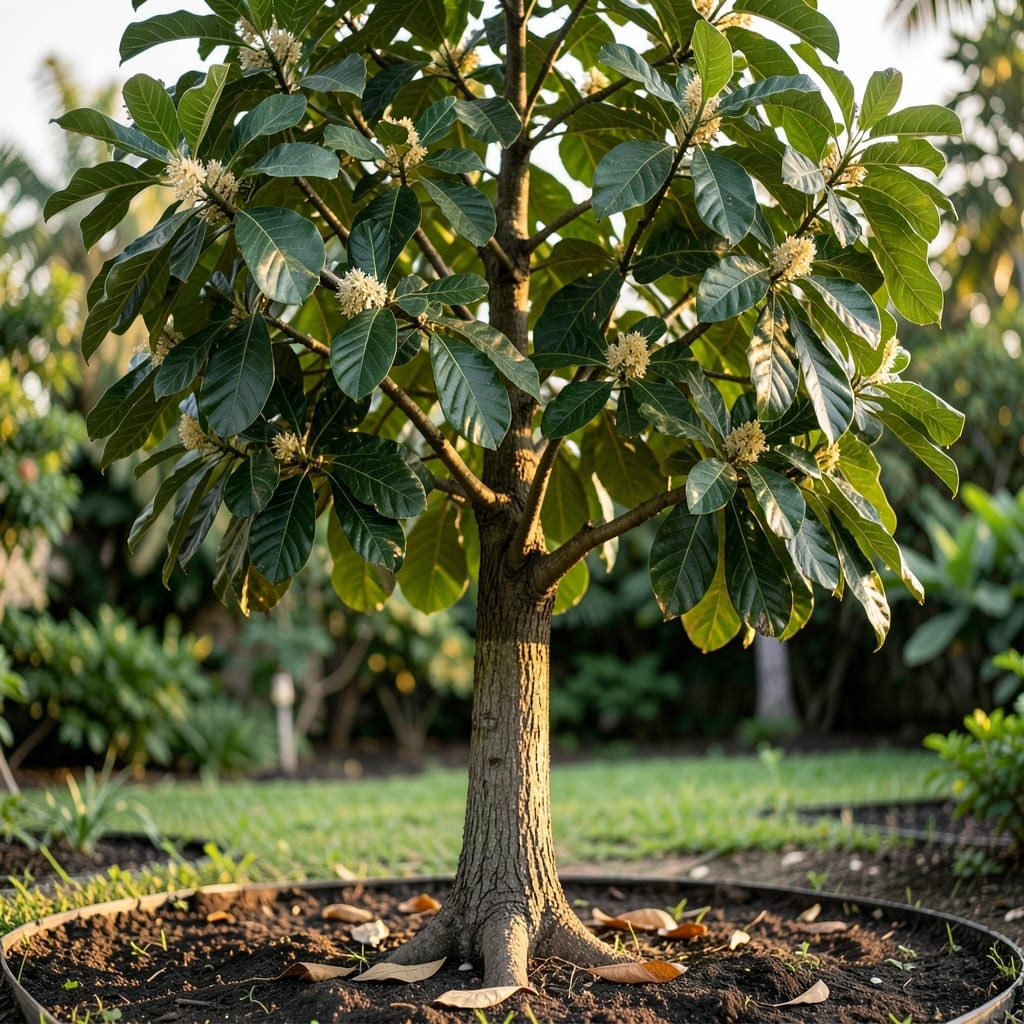
Mango trees are evergreen in tropical climates but may shed leaves seasonally in cooler regions, making them semi-deciduous in certain conditions.
This dual behavior comes down to their tropical origins—warm, consistent temperatures let them keep foliage year-round. 🌟 In cooler areas, they adapt by dropping leaves to conserve energy during chilly months. I’ve noticed my own mango tree in Zone 9 loses about 30% of its leaves each winter, then regrows them by spring. The key is understanding your local climate’s impact on their natural cycles.
💡 In This Article
Mango trees originated in tropical regions like South Asia, where temperatures stay between 70-100°F year-round. In these ideal conditions, they maintain lush green foliage continuously, as their metabolic processes don’t need to slow down. This evergreen behavior supports their fruit production cycle, which relies on consistent photosynthesis.
The transition to semi-deciduous behavior happens when temperatures drop below 50°F for extended periods. At this threshold, the tree’s internal systems trigger leaf abscission—a process where ethylene gas signals cells to form a separation layer at the base of each leaf. This isn’t random shedding; it’s a strategic energy conservation measure.
In my Zone 9 garden, I’ve observed this phenomenon begin precisely when nighttime temperatures hit 45°F for three consecutive nights. ✨
Rainfall patterns also play a crucial role. In monsoon regions, mango trees may briefly shed leaves during the dry season to reduce water loss through transpiration. This adaptation prevents dehydration when soil moisture drops below 30%. The leaves that do fall typically regrow within 4-6 weeks once rainfall resumes, demonstrating the tree’s remarkable resilience.
Regional variations create fascinating differences. In Florida, mango trees often retain 70-80% of their leaves year-round, while those in California’s cooler microclimates may shed up to 50% annually. This variability explains why commercial growers in subtropical areas often plant cold-tolerant varieties like ‘Ice Cream’ or ‘Cogshall’ that handle temperature swings better than tropical cultivars. 💫
What many don’t realize is that even in tropical zones, mango trees may briefly drop leaves during flower induction. This natural cycle, triggered by cooler nights and dry conditions, typically occurs between November and February in the Northern Hemisphere.
The tree isn’t dying—it’s preparing for its next fruiting cycle, redirecting energy from leaf maintenance to flower production.
No, they typically shed only 30-50% of their leaves in cooler climates. In tropical areas, they stay fully evergreen. This partial shedding helps conserve energy during colder months.
Temperatures below 50°F or extended dry periods signal the tree to shed leaves. This natural process, called abscission, is the tree’s way of protecting itself from stress.
After shedding, new leaves usually appear within 4-6 weeks once warm weather returns. Consistent watering and sunlight speed up this recovery process.
Yes, but choose cold-tolerant varieties like ‘Ice Cream’ or ‘Cogshall’. Use frost protection, such as mulch or cloth covers, when temperatures dip below 32°F.