
Beautiful Plants For Your Interior
Beautiful Plants For Your Interior
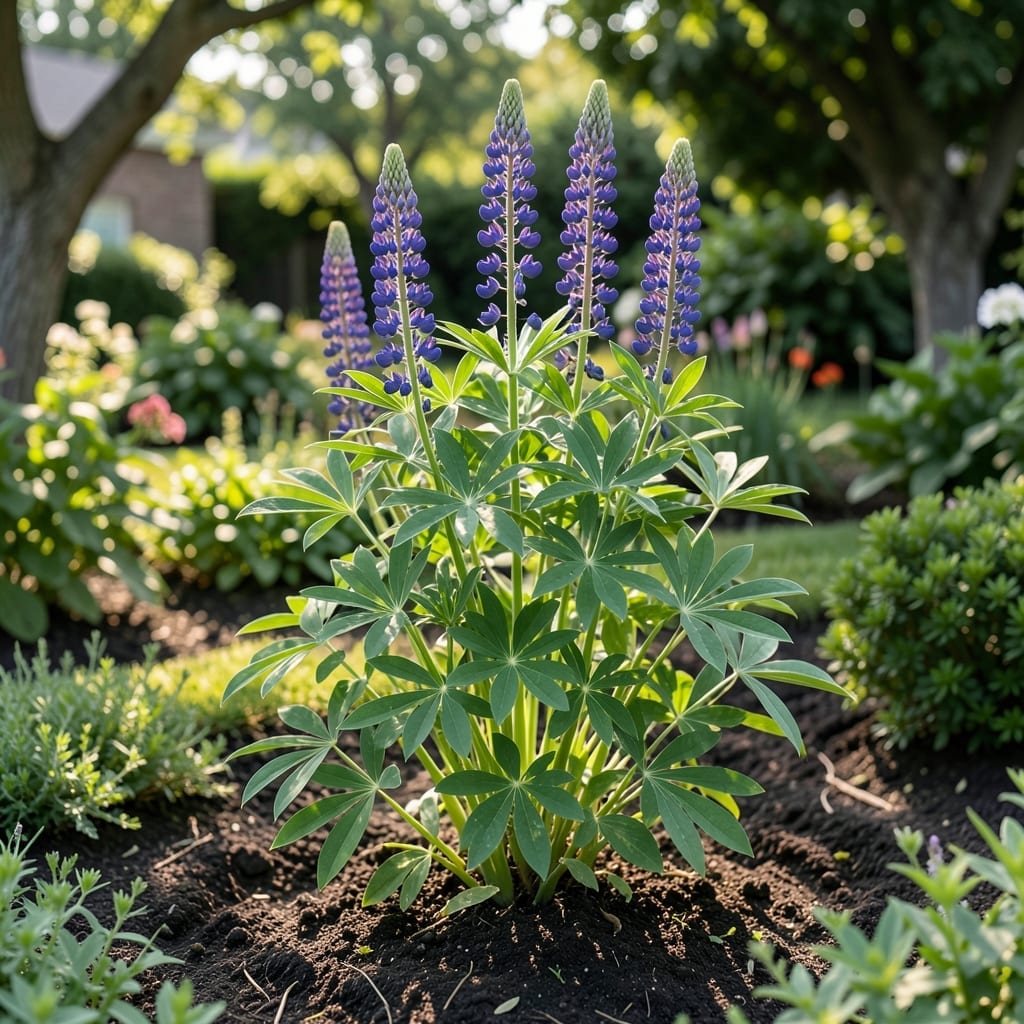
Most lupines are perennial, but some species like the yellow bush lupine are biennial, completing their life cycle in two years. Always check the specific variety for accurate classification.
What fascinates me about these plants is their adaptability across different climates, with some varieties thriving for multiple years while others follow a strict two-year cycle. The yellow bush lupine, for example, germinates and grows foliage in its first year, then blooms and sets seed before dying in the second. This variation means gardeners need to research their chosen type carefully to plan planting schedules effectively. 🌟
💡 In This Article
The growth cycle of lupines primarily falls into perennial or biennial patterns, with rare annual exceptions. Perennial lupines, like the popular Lupinus polyphyllus, regrow from their root systems each spring for 3-5 years or longer. Their deep taproots store energy, enabling repeated blooming seasons without replanting.
Biennial varieties, such as the yellow bush lupine (Lupinus arboreus), follow a strict two-year timeline. Year one focuses on leaf and root development, while year two produces vibrant flowers and seeds before the plant dies. This cycle ensures seed dispersal before the parent plant’s demise.
The biological trigger for this difference lies in the plant’s energy allocation. Perennials invest in long-term root systems, while biennials channel all resources into a single spectacular flowering event. Environmental factors like temperature and daylight hours can influence which pathway a lupine species evolves to favor. 🔥
Notable exceptions exist among the 200+ lupine species. Some desert annuals complete their entire life cycle in 6-8 weeks during brief wet periods. The silver lupine (Lupinus albifrons) demonstrates drought adaptation by entering dormancy during dry spells, behaving as a short-lived perennial in ideal conditions.
Gardeners can identify biennials by their first-year rosette formation and lack of flowers. Perennials typically establish larger basal clumps by their second year. The key is observing growth patterns over multiple seasons rather than assuming based on initial planting. ✨
Most lupines are perennial, living 3-5 years or longer. Biennial types like yellow bush lupine complete their life cycle in exactly 2 years, flowering once before dying.
Biennial lupines focus on growing leaves and roots the first year, forming a low rosette. They won’t bloom until the second year when they channel all energy into flowers and seeds.
Biennial lupines need full sun for at least 6-8 hours daily. Partial shade may result in weak growth and fewer blooms, especially in biennial varieties that require maximum energy for their second-year flowering.
Observe its growth over 2 years. Biennials form a rosette the first year and bloom the second before dying. Perennials establish larger clumps and return each spring for multiple years.