
Beautiful Plants For Your Interior
Beautiful Plants For Your Interior
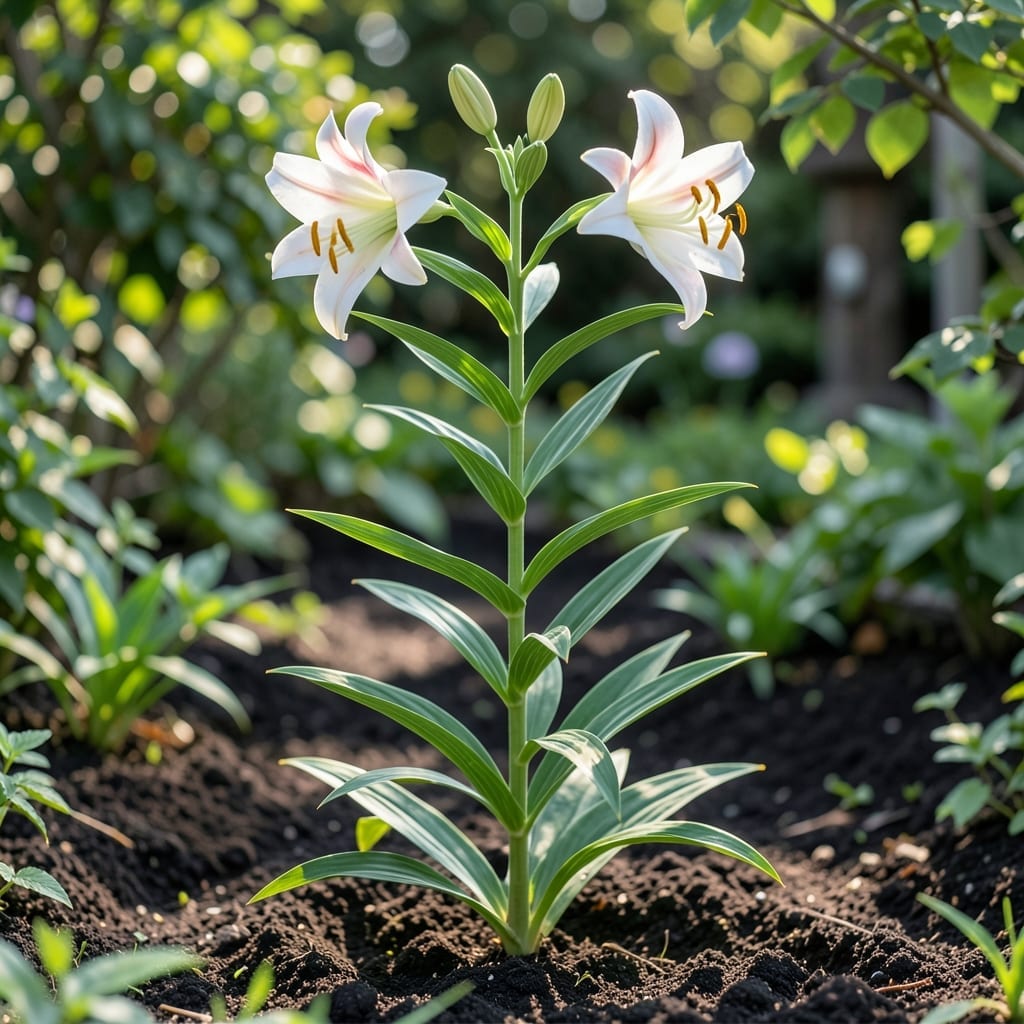
Yes, most true lilies are perennials, returning year after year from underground bulbs. They go dormant in winter and regrow in spring with proper care and suitable climate conditions.
I’ve grown lilies for years, and their ability to reappear is one of their most rewarding traits. True lilies store energy in their bulbs during colder months, allowing them to bounce back with vibrant blooms when temperatures rise. This cycle makes them a low-maintenance favorite for gardeners in USDA zones 4-9, though some varieties thrive beyond that range. 🌟
What sets them apart is their resilience—once established, they can flourish for decades with minimal effort. 💫
💡 In This Article
True lilies follow a fascinating biological rhythm that makes their perennial nature possible. During spring, the underground bulb sends up shoots using stored energy from the previous season. These bulbs are actually modified stems packed with nutrients that fuel initial growth before photosynthesis kicks in.
The plant then develops leaves, stems, and eventually those iconic blooms we love.
As summer fades, the lily begins preparing for dormancy. The foliage continues photosynthesizing to produce energy that gets shuttled back to the bulb. This is why you should never cut back lily leaves immediately after blooming—they’re working overtime to replenish the bulb’s reserves.
By fall, the plant starts withdrawing energy from the stems and leaves, which then die back naturally as temperatures drop.
Winter dormancy is the lily’s survival strategy. The bulb remains alive underground, protected by a papery tunic that prevents moisture loss. In USDA zones 4-8, most lilies can survive winter temperatures down to -30°F without damage.
The bulb contains all the genetic information and stored energy needed to sprout again when soil temperatures rise above 40°F in spring. 🌟
This cycle repeats because of specialized cells in the bulb called meristems. These growth points contain undifferentiated cells that can develop into new stems, leaves, or even offset bulbs. Each year, a healthy lily bulb can produce multiple new stems, which is why established clumps often grow larger and more floriferous with age.
Some varieties like Stargazer lilies can produce up to 8-12 blooms per stem in ideal conditions.
The timing of this cycle varies by species. Asiatic lilies typically bloom in early summer, while Oriental lilies flower later in the season. This staggered blooming is another reason lilies are garden favorites—they can provide color from May through September with careful variety selection.
The entire process from dormancy to bloom takes about 90-120 days depending on the cultivar and growing conditions. ✨
With proper care, lily bulbs can thrive for 5-10 years or more in the same spot. Some gardeners report the same clumps blooming for 20+ years when conditions are ideal.
Most true lilies (Lilium species) are perennial, but some tropical varieties may not survive cold winters. Always check the hardiness zone for your specific type. Asiatic and Oriental types reliably return in zones 4-9.
Common reasons include poor drainage, extreme cold without mulch, or premature foliage removal. Bulbs may also rot in soggy soil. Ensure you’re planting in well-draining areas and leaving foliage until it yellows naturally.
Yes, but they require more attention. Use large pots with drainage holes, 12-16 inches deep. Move containers to a sheltered spot in winter and ensure bulbs don’t freeze. Water sparingly during dormancy.