
Beautiful Plants For Your Interior
Beautiful Plants For Your Interior
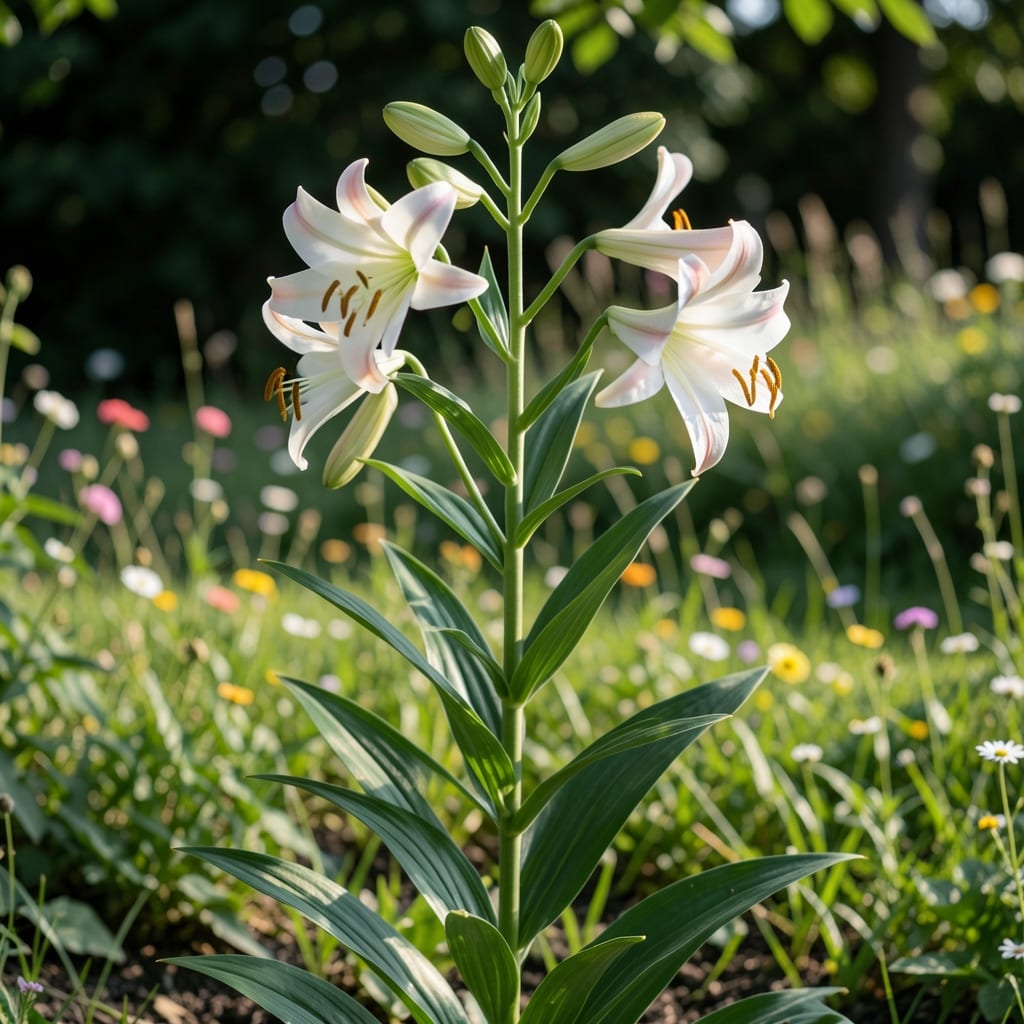
Lilies are generally easy to grow for beginners, thriving in well-drained soil with full sun to partial shade. They require minimal care once established but need proper planting depth and good drainage.
I’ve found that their adaptability makes them a great starter plant. They handle various climates well, from USDA zones 4-9, and their bulbs store nutrients efficiently. 🌟 This means less fuss with fertilizing compared to more demanding flowers.
What really sets them apart is their resilience. Even with occasional neglect, they’ll bounce back if the soil isn’t waterlogged and they get at least 6 hours of sunlight daily.
💡 In This Article
The secret lies in their bulb biology. Lilies store energy in their fleshy scales, which fuels rapid growth when conditions are right. This means they can establish themselves quickly if planted in soil with a pH between 6.0-6.5. The bulbs also have a protective outer layer that resists rot—as long as drainage is excellent. 🌟
Sunlight triggers photosynthesis in their broad leaves, which is why 6-8 hours of direct sun daily produces the most vibrant blooms. In hotter zones like 8-9, they tolerate partial afternoon shade, while in cooler areas like 4-5, full sun is non-negotiable. This adaptability explains why they thrive across such a wide range of climates.
Watering plays a crucial role in their success. Lilies prefer 1-2 inches of water weekly, including rainfall. Their roots grow deep—often 12-18 inches—which helps them access moisture during dry spells. The key is consistent moisture without waterlogging, as soggy soil suffocates the bulbs and invites fungal diseases. ✨
Temperature also influences their growth cycle. Plant bulbs in fall (6-8 weeks before ground freeze) for spring blooms, or in spring for summer flowers. The dormancy period in winter actually strengthens the bulbs, making them more vigorous the following year. This natural rhythm reduces the need for intensive care.
What many don’t realize is that lilies are perennial workhorses. Once established, they’ll return year after year with minimal intervention. Their hardiness means they can survive winter temperatures down to -20°F in their dormancy, making them far more forgiving than annual flowers that require replanting each season. 💫
No, they thrive in well-drained soil with a pH of 6.0-6.5. Avoid heavy clay or waterlogged areas. A little compost mixed in helps, but they’re not picky.
They need 6-8 hours of direct sun daily for the best blooms. In hotter zones like 8-9, afternoon shade is fine. Cooler climates require full sun.
Planting bulbs too shallow. A 2-inch bulb needs 6 inches of soil above it. Too shallow causes flopping or freezing in winter.
Provide 1-2 inches weekly, including rainfall. Let the top 1-2 inches of soil dry out between waterings to prevent rot.
Yes! They’re perennials that return year after year with minimal care. They can even survive winters down to -20°F.