
Beautiful Plants For Your Interior
Beautiful Plants For Your Interior
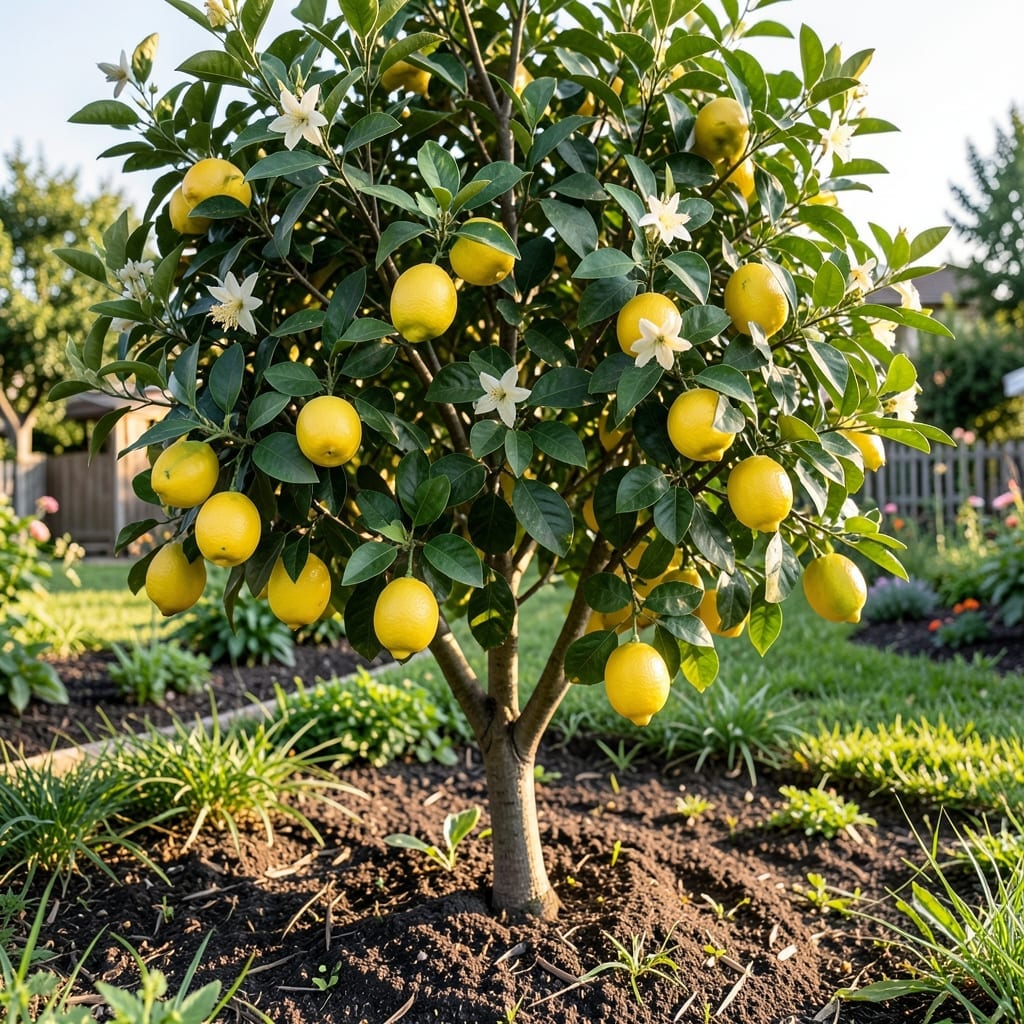
Yes, lemon trees are toxic to cats due to compounds like limonene and linalool in the leaves, fruit, and stems, which can cause vomiting, diarrhea, or depression if ingested.
I always advise cat owners to be cautious with citrus plants. The essential oils and psoralens in lemon trees can trigger severe digestive upset in felines, and even small amounts may lead to lethargy or drooling. 🔥
What’s more, these compounds are concentrated in all parts of the plant, not just the fruit. I’ve seen cases where curious cats nibbled on fallen leaves and needed immediate veterinary care.
💡 In This Article
The primary culprits are psoralens and essential oils like limonene and linalool. These compounds disrupt a cat’s digestive system by irritating the stomach lining and liver enzymes. Psoralens are phototoxic, meaning they can cause skin reactions if your cat is exposed to sunlight after contact. 🔥
All parts of the lemon tree contain these toxins, but the leaves and peels pack the highest concentration. The essential oils are particularly volatile, releasing strong aromas that can attract curious cats. Ingesting even 1-2 leaves may trigger vomiting, while larger amounts can lead to more severe neurological symptoms like tremors. ⚡
Cats lack the liver enzymes to metabolize these compounds efficiently. This means toxins build up in their system, potentially causing depression, weakness, or difficulty walking within 12-24 hours of ingestion. The smaller the cat, the more pronounced the reaction. ✨
The mechanism works like this: limonene irritates the stomach lining, causing inflammation and nausea. Meanwhile, psoralens interfere with cellular DNA repair, which can lead to skin lesions if your cat later grooms itself and is exposed to UV light. This dual action makes lemon trees particularly hazardous. 💫
Veterinary studies show that citrus oils can also cause respiratory distress if inhaled in concentrated forms. While fresh lemon trees release fewer volatiles than commercial oils, the risk remains significant for indoor cats with limited ventilation. Always monitor your pet closely around these plants. 🌟
The leaves and peels contain the highest concentration of toxic compounds. Even 1-2 leaves can cause vomiting, while the fruit’s essential oils may trigger neurological symptoms.
Most cats show signs within 2-4 hours, starting with drooling or vomiting. Severe cases may take up to 24 hours to manifest, often including lethargy or tremors.
No, the volatile essential oils can irritate their respiratory system. Even indirect exposure through grooming after contact with leaves or peels can cause skin reactions.
Remove plant material from their mouth and rinse with water. Call your vet or pet poison hotline immediately—don’t wait for symptoms to appear.