
Beautiful Plants For Your Interior
Beautiful Plants For Your Interior
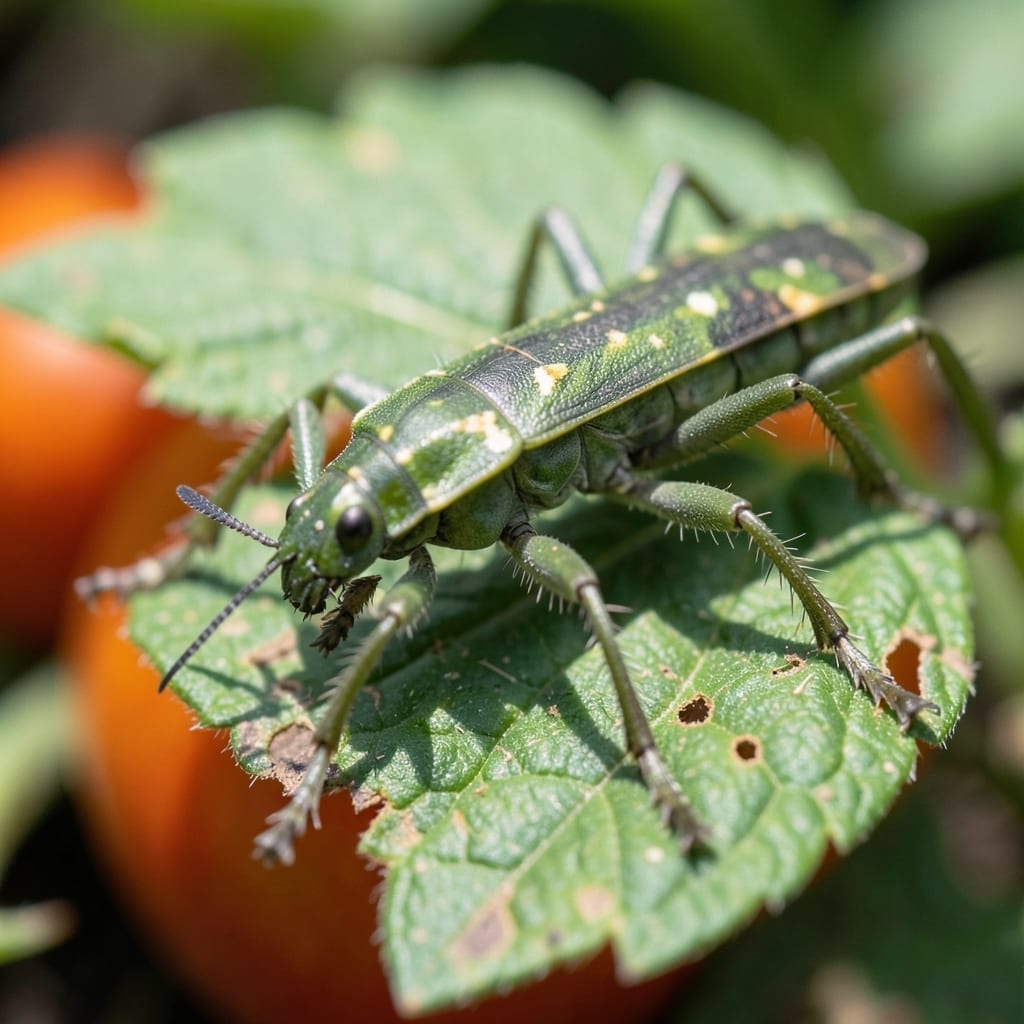
I spotted my first leaf-footed bug last summer and panicked. 🌿 These insects look harmless but can wreak havoc on fruits and seeds in your garden.
They pierce plants with their mouthparts, causing deformed or dropped produce. Tomatoes, peppers, and squash are common targets. The damage often goes unnoticed until it’s too late.
Here’s the thing—these bugs multiply quickly. A small infestation can explode into a full-blown problem in 2-3 weeks if left unchecked.
Don’t worry though. With the right identification and organic control methods, you can protect your garden without harsh chemicals.
Leaf footed bugs thrive in gardens and landscapes for several key reasons, often tied to environmental and ecological factors. Understanding these causes helps in managing their presence effectively.
These bugs are attracted to gardens with abundant host plants, such as tomatoes, peppers, and squash. Overgrown or densely planted areas provide ample food and shelter, encouraging their populations to grow. Prune or space plants properly to reduce hiding spots and limit their food supply.
Leaf footed bugs flourish in warm, dry conditions, which are common in many regions during late summer and early fall. These climates accelerate their reproductive cycles, leading to larger infestations. Regular irrigation and shade can help mitigate their spread.
A decline in natural predators, such as birds, spiders, and parasitic wasps, allows leaf footed bug populations to multiply unchecked. Encourage biodiversity in your garden by planting native species and avoiding broad-spectrum pesticides, which can harm beneficial insects.
Debris, fallen leaves, and unharvested crops create ideal breeding grounds for these pests. Maintain garden cleanliness by removing plant residue and rotating crops to disrupt their life cycle.
Leaf-footed bugs can wreak havoc on your garden, but you can reclaim control with these targeted solutions. Below, we map common causes to practical fixes, plus prevention tips to keep them from returning. 🌱✨
If you notice punctured fruits or wilted leaves on your tomatoes, peppers, or squash, these bugs are likely feeding on the sap. Handpick them early in the morning when they’re sluggish, dropping them into soapy water to drown. For larger infestations, use neem oil or insecticidal soap, applying in the evening to avoid harming pollinators.
Leaf-footed bugs thrive in cluttered, weedy areas where they can hide. Clear debris and mulch lightly to reduce hiding spots. Rotate crops annually to disrupt their lifecycle. Plant trap crops like okra or sunflowers away from your main garden—they’ll lure bugs away from your prized veggies. 💡
Encourage beneficial insects like parasitic wasps and assassin bugs, which prey on leaf-footed bugs. Avoid broad-spectrum pesticides, as they kill these helpful allies. Instead, install a bird feeder or birdbath to attract insect-eating birds.
Leaf-footed bugs love damp environments. Water in the morning so plants dry by evening, and fix leaky hoses or drain standing water to make your garden less inviting. Drip irrigation keeps foliage dry while delivering water directly to roots.
Prevention Tip: Inspect new plants before bringing them home—leaf-footed bugs often hitch rides on nursery stock. Quarantine new additions for a week to ensure they’re bug-free. 🎯
They pierce fruits and seeds, causing deformed growth, premature drop, or rot. Tomatoes and squash often show sunken spots or discolored patches where they’ve fed.
Look for barrel-shaped egg clusters on leaves or stems, usually in rows of 10-20. They’re often brown or bronze and hatch in 1-2 weeks.
No, they don’t bite or sting people. They only use their piercing mouthparts on plants, so they pose no direct threat to humans or pets.
They’re most active during warm months, especially late summer. You’ll spot them in gardens from dawn to dusk, feeding on sap.