
Beautiful Plants For Your Interior
Beautiful Plants For Your Interior
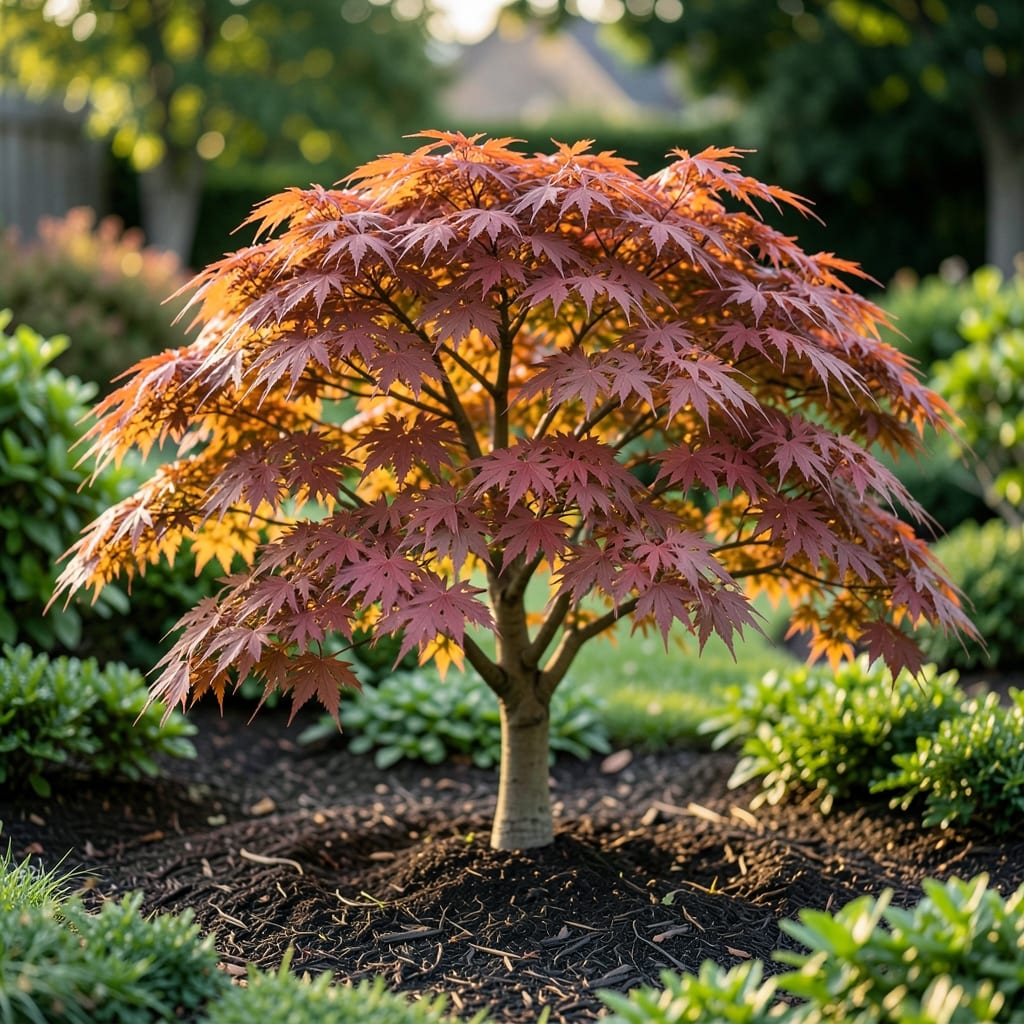
Yes, Japanese maple trees are deciduous, shedding their leaves each fall after a stunning display of vibrant red, orange, or yellow foliage.
I love how these trees transform with the seasons, offering a breathtaking show before their leaves drop. This annual cycle helps them conserve energy during colder months, ensuring they return stronger in spring. Gardeners often plant them specifically for this dramatic seasonal change. ✨
What makes them special is their ability to thrive in various climates while maintaining this deciduous nature. 🔥
💡 In This Article
The process starts with photoperiodism—as days shorten in autumn, the tree senses the change. This triggers hormone production that slows chlorophyll, revealing hidden pigments like carotenoids (yellow/orange) and anthocyanins (red) in the leaves. The result is that spectacular fall color show. 🌟
Next comes abscission, where a specialized layer of cells forms at the leaf stem base. This separation layer gradually severs the leaf from the tree while simultaneously sealing the wound to prevent disease or moisture loss. The entire process takes about 4-6 weeks from first color change to complete leaf drop.
Temperature also plays a key role. When soil temps drop below 50°F and air temps hit 32-40°F, the tree accelerates its preparation for dormancy. This cold-induced dormancy is a survival mechanism that conserves water and energy, allowing the tree to withstand freezing temperatures.
What most don’t realize is that this leaf drop benefits the tree’s health. By shedding leaves, the Japanese maple reduces water loss through transpiration by up to 90%. It also prevents damage from heavy snow or ice that could weigh down and break branches during winter storms. ✨
The tree then enters a resting phase where it directs energy to root development and storing carbohydrates. This dormancy period is essential for spring regrowth. Without it, the tree would exhaust its energy reserves trying to maintain leaves in harsh conditions.
Interestingly, some cultivars like ‘Bloodgood’ or ‘Emperor I’ show more intense red fall color due to higher anthocyanin concentration. Meanwhile, green-leaf varieties like ‘Waterfall’ may turn golden yellow. This variation is influenced by both genetics and environmental factors like sunlight exposure. 🔥
Shorter days in autumn trigger hormone changes that slow chlorophyll production. This reveals hidden pigments like carotenoids and anthocyanins, creating vibrant reds and oranges.
From first color change to complete leaf drop typically takes about 4-6 weeks. The tree gradually forms a separation layer at each leaf stem before shedding.
A thin layer of leaves can act as natural mulch. However, remove thick accumulations to prevent mold or disease. This also lets you inspect for pests.
No, color intensity varies by cultivar. ‘Bloodgood’ shows deep reds while ‘Waterfall’ may turn golden yellow. Both genetics and sunlight exposure influence the display.