
Beautiful Plants For Your Interior
Beautiful Plants For Your Interior
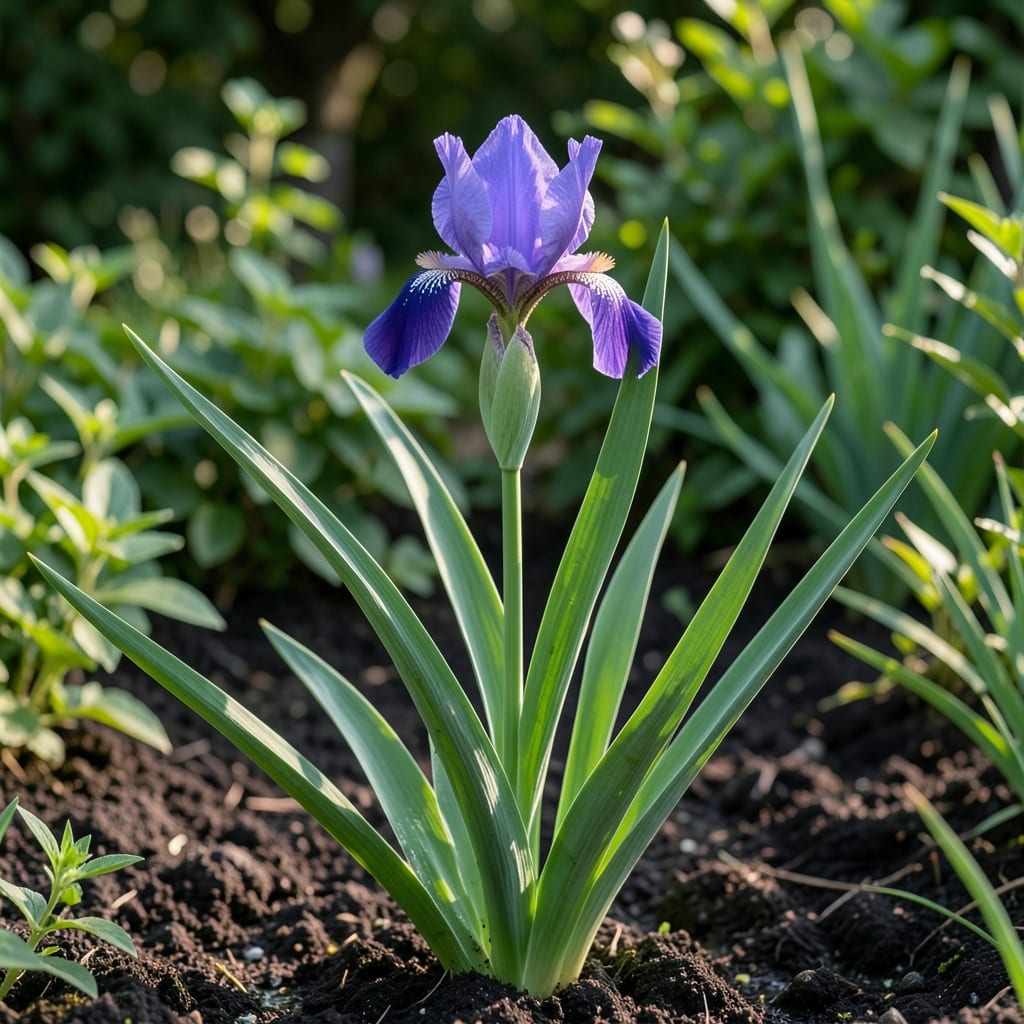
Iris bulbs, specifically rhizomes, are toxic to humans and pets if ingested, containing irritating compounds that can cause stomach pain, vomiting, or skin irritation.
I always wear gloves when handling these in my garden because the pentacyclic terpenoids and other irritants can trigger reactions even through skin contact. What’s particularly concerning is that pets are often more vulnerable than humans to these toxins. 💫
Proper storage away from curious paws and little hands is just as important as careful planting to prevent accidental exposure in your backyard.
💡 In This Article
The primary culprits are irisin and pentacyclic terpenoids, concentrated in the rhizome’s outer layers. These compounds trigger irritation by disrupting cell membranes in the digestive tract. In humans, as little as 1-2 grams of rhizome material can cause mild to moderate gastrointestinal distress, while larger amounts may lead to more severe reactions. 🔥
Pets are far more vulnerable due to their smaller size and curiosity. Dogs, for instance, may experience excessive drooling, lethargy, or even kidney damage if they ingest significant quantities. Cats often show more immediate signs like oral irritation and repeated vomiting. The toxicity level varies by iris species, with bearded irises being particularly potent.
What makes these compounds so effective at causing harm is their lipid-soluble nature. This allows them to penetrate skin barriers easily, which is why even handling rhizomes without protection can lead to dermatitis in sensitive individuals. The irritation typically appears as red, itchy patches within 12-24 hours of contact. ✨
Interestingly, the same compounds that make irises toxic also contribute to their pest resistance in the garden. Deer and rabbits instinctively avoid these plants, making them excellent low-maintenance choices for areas with high wildlife activity. This natural defense mechanism is one reason irises thrive with minimal care once established.
The concentration of irritants is highest during the plant’s active growth phase in spring and early summer. This is when the rhizomes are storing energy for blooming, making them particularly potent. Gardeners should exercise extra caution during these periods, especially when dividing or transplanting irises. 💫
The outer layers contain irisin and pentacyclic terpenoids that can penetrate skin. Even brief contact without gloves may cause red, itchy dermatitis within 12-24 hours.
Keep rhizomes in a locked container on a high shelf or in a secure shed. Never leave them in open bags where pets or children could reach them.
Rinse their mouth immediately with cool water and call your vet. Symptoms like drooling or vomiting may appear quickly, so act fast.
Yes, but use raised beds with barriers or place them in areas kids don’t access. Teach children never to put any plant parts in their mouths.