
Beautiful Plants For Your Interior
Beautiful Plants For Your Interior
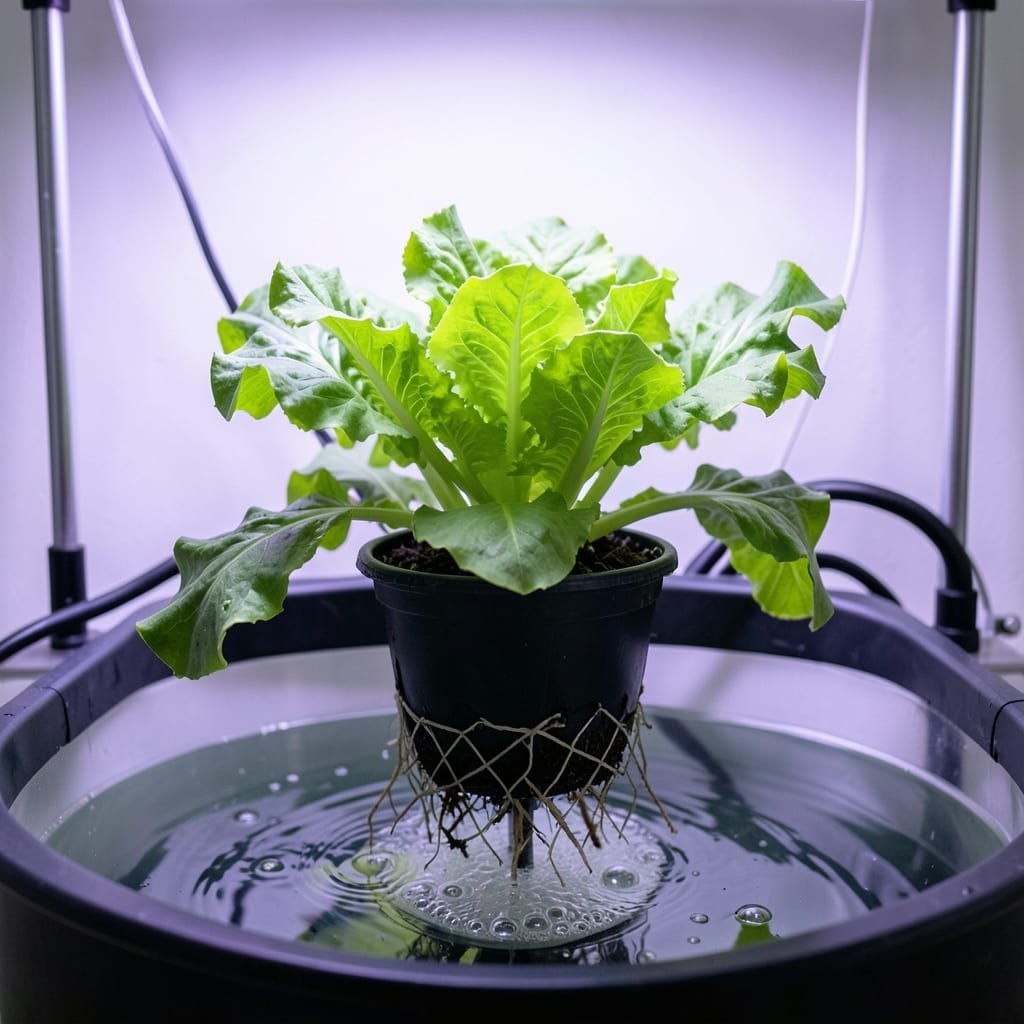
Hydroponic vegetables can be just as nutritious as soil-grown, often with higher vitamin content due to controlled environments. They’re pesticide-free but may lack some soil-based micronutrients unless properly supplemented.
I’ve found the controlled nutrient solutions in hydroponics allow plants to absorb exactly what they need, often resulting in higher vitamin C and antioxidant levels. The absence of pesticides is a major plus for health-conscious eaters. However, since soil provides a complex mix of trace minerals, growers must carefully balance their nutrient solutions to ensure complete nutrition. 🔥
💡 In This Article
Hydroponics delivers nutrients directly to plant roots via water solutions, allowing precise control over what the plants absorb. This method often results in 20-50% higher vitamin C in leafy greens like lettuce and spinach compared to soil-grown counterparts.
The reason is simple: plants don’t waste energy searching for nutrients in soil, so they can focus on growth and nutrient accumulation. ✨
Soil, however, contains a complex ecosystem of microbes and organic matter that contribute trace minerals often missing in basic hydroponic setups. Elements like selenium, zinc, and certain beneficial bacteria naturally present in healthy soil require intentional supplementation in water-based systems.
Growers compensate by adding these micronutrients to their solutions, but the balance must be exact—too much can be as harmful as too little. 🔥
Absorption rates differ dramatically between the two methods. In hydroponics, plants can absorb nutrients 3-4 times faster because they’re directly available in the water. This accelerated growth often means hydroponic vegetables reach maturity 25-30% quicker than soil-grown ones, potentially leading to more nutrient-dense produce in a shorter timeframe. 💫
What most people don’t realize is that light spectrums in indoor hydroponics can be fine-tuned to boost specific nutrients. For example, blue light enhances leafy growth and vitamin content, while red light promotes flowering and antioxidant development. This level of control is impossible in traditional soil farming, giving hydroponics a unique advantage in nutritional optimization.
🌟
Studies show hydroponic tomatoes often contain higher lycopene (a powerful antioxidant) and beta-carotene levels. A 2015 study in the Journal of Food Composition and Analysis found hydroponic tomatoes had up to 50% more vitamin C and 23% more antioxidants than soil-grown varieties. This demonstrates how controlled environments can produce superior nutritional profiles when managed correctly.
⚡
Yes! Studies show hydroponic leafy greens often contain 20-50% higher vitamin C and antioxidants. The controlled environment allows plants to absorb nutrients more efficiently, boosting their nutritional profile.
They may lack some trace minerals like selenium and zinc found naturally in soil. However, skilled growers add these to nutrient solutions to match or exceed soil-grown levels.
Use a complete nutrient solution with micronutrients, maintain clean systems by replacing water every 7-10 days, and harvest at peak ripeness for maximum benefits.
Many people find hydroponic produce has a cleaner, more consistent flavor since the nutrient balance is precisely controlled. The absence of soil variability often results in a more predictable taste.