
Beautiful Plants For Your Interior
Beautiful Plants For Your Interior
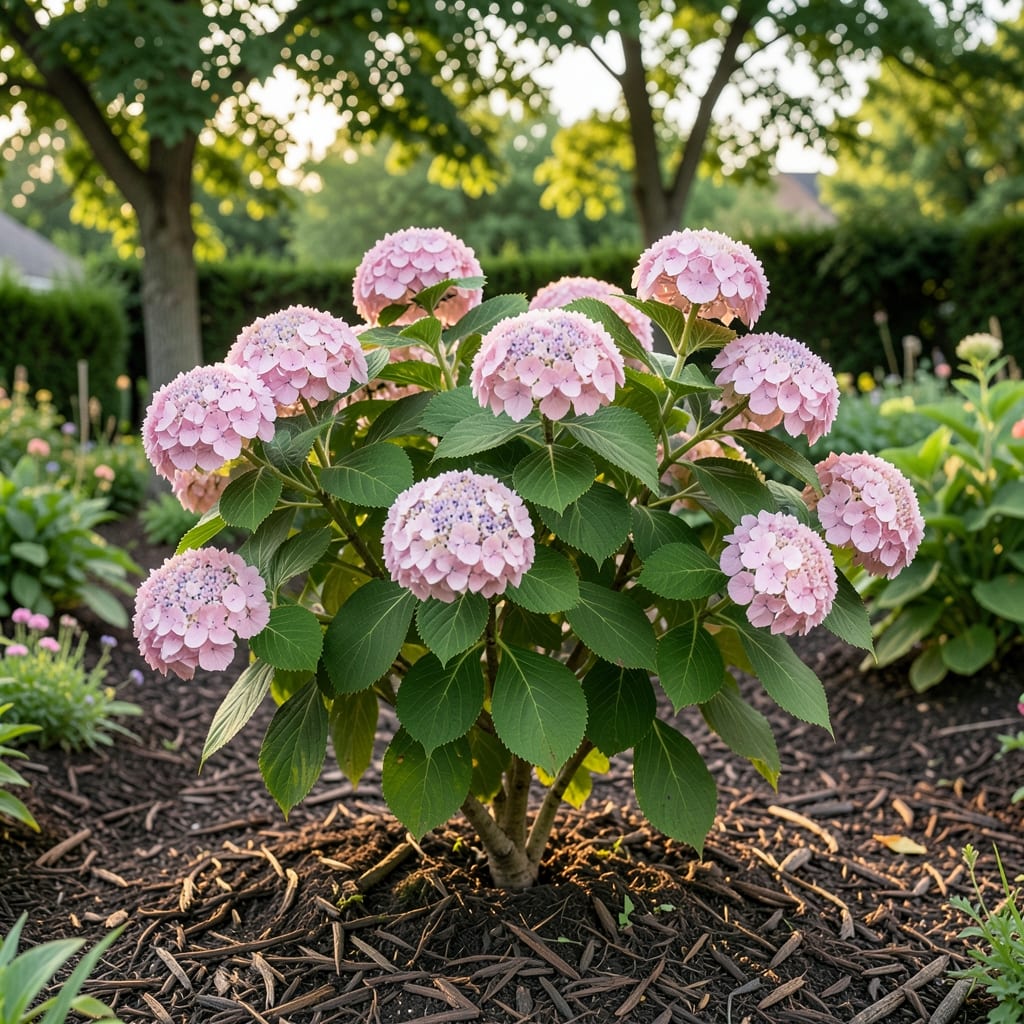
Most hydrangeas are hardy in USDA zones 3-9, but cold tolerance varies by variety. Bigleaf types need winter protection, while panicle and smooth hydrangeas thrive in colder climates with minimal care.
I’ve learned through experience that hydrangea resilience depends heavily on species selection. For example, oakleaf hydrangeas handle heat better than bigleaf varieties, which often suffer in freezing temperatures below 0°F. 🔥 This is why I always recommend matching your hydrangea type to your local climate conditions.
💡 In This Article
Hydrangea macrophylla (bigleaf) struggles below 0°F without protection. Its shallow root system and large leaves make it vulnerable to freeze-thaw cycles in USDA zones 5-6. In contrast, Hydrangea paniculata thrives in -40°F conditions, with woody stems that resist winter dieback. 🔥
Hydrangea arborescens (smooth) handles -30°F temperatures by dying back to the ground and regrowing from the roots each spring. This adaptation makes it ideal for zones 3-4. Oakleaf varieties (Hydrangea quercifolia) excel in heat, tolerating zones 5-9 with minimal winter care. ✨
The key difference lies in stem structure. Bigleaf hydrangeas have tender, herbaceous growth that freezes easily, while panicle and smooth types develop hardier, woody stems. This structural variance directly impacts their minimum temperature thresholds and survival strategies. 🌟
Regional adaptability also depends on microclimates. Urban heat islands can push bigleaf hydrangeas into zone 6 viability, while exposed rural areas may require extra protection even in zone 5. Soil drainage plays a role too—wet roots freeze faster than well-drained ones. ⚡
For example, in Minnesota (zone 4), smooth hydrangeas flourish with no winter care, while bigleaf varieties need 6-12 inches of mulch and burlap wraps to survive. This demonstrates how variety selection trumps general hardiness claims. 💫
Panicle and smooth hydrangeas are the most cold-hardy. Panicle types survive down to -40°F, while smooth hydrangeas handle -30°F by regrowing from roots each spring.
Yes, they require protection below 0°F. Use 6-12 inches of mulch and wrap in burlap to shield tender buds from freeze damage. Without this, they often die back to the ground.
Prune panicle and smooth types in late winter. For bigleaf varieties, prune right after flowering in summer since they bloom on old wood. Never prune in fall.
Yes, but move pots to a sheltered location and insulate roots with bubble wrap or frost blankets. Even cold-hardy types need extra protection in containers.