
Beautiful Plants For Your Interior
Beautiful Plants For Your Interior
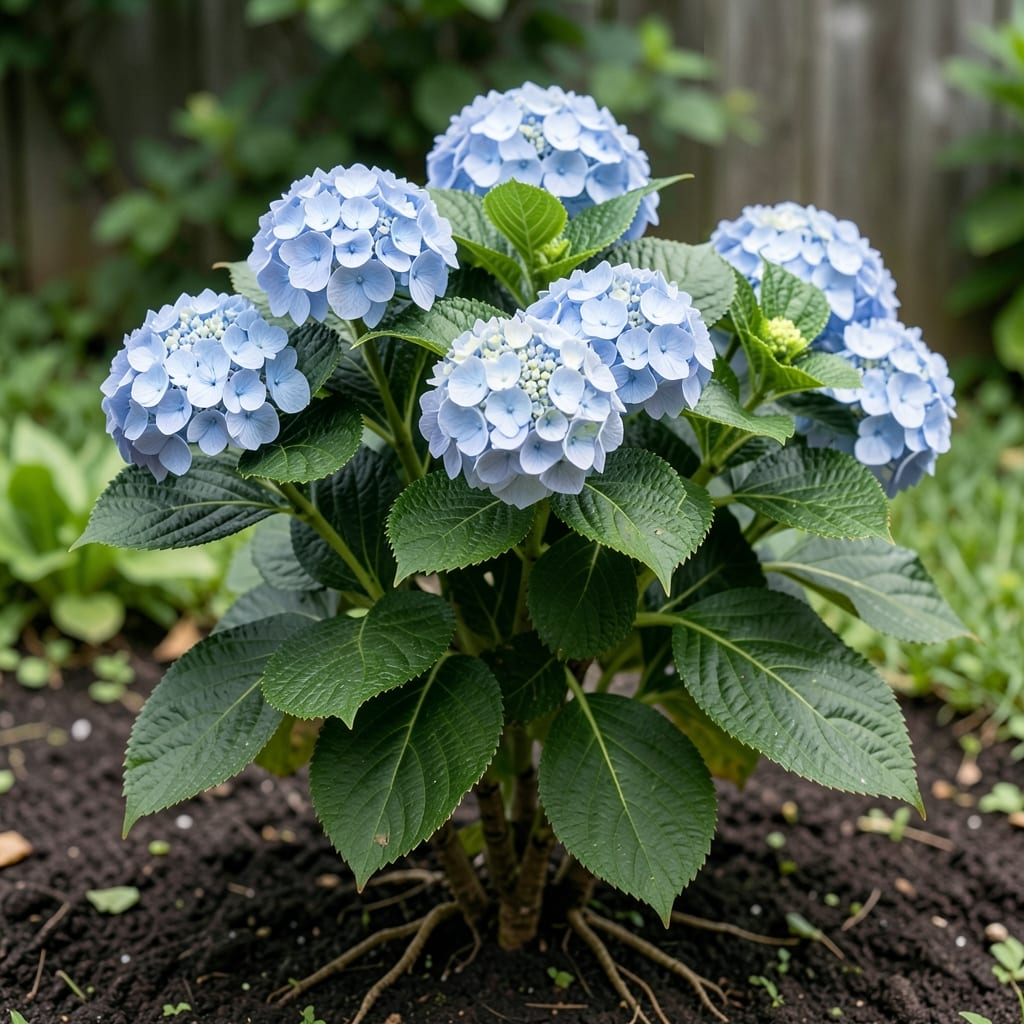
Hydrangeas are typically perennial plants, returning year after year in suitable climates. However, some varieties may grow as annuals in colder regions where they don’t survive winter.
What I’ve learned from years of gardening is that hydrangea survival depends heavily on USDA hardiness zones. In zones 6-9, they thrive as perennials, but gardeners in colder areas often treat them as seasonal plants. The key is understanding your local frost patterns and choosing the right variety for your climate. 💫
💡 In This Article
The growth cycle of hydrangeas revolves around their woody stems and extensive root systems. These structures store energy during dormancy, allowing the plant to regrow from the same base each spring. This is why most hydrangeas in USDA zones 6-9 return annually, as they can withstand winter temperatures down to -10°F without damage. 🔥
Hydrangea varieties like Hydrangea macrophylla and Hydrangea paniculata have evolved to thrive in these conditions. Their root systems can grow 12-18 inches deep, anchoring the plant and storing nutrients. The above-ground stems die back in winter but regenerate from the crown when temperatures rise in spring.
What makes hydrangeas resilient is their ability to enter dormancy. As days shorten in fall, the plant slows its metabolism, conserving energy. This survival mechanism allows it to endure freezing temperatures and re-emerge when conditions improve. The process is similar to how deciduous trees shed leaves to conserve resources. ✨
The hardiness of hydrangeas varies by species. Oakleaf hydrangeas (Hydrangea quercifolia) are particularly cold-tolerant, surviving in zone 5 with proper winter protection. Meanwhile, bigleaf hydrangeas prefer milder climates and may struggle in areas with harsh winters without intervention.
Soil conditions also play a crucial role in perennial success. Well-draining, moist soil with a pH between 5.2-6.2 supports healthy root development. In ideal conditions, hydrangeas can live and bloom for 20-30 years or more, making them a long-term investment for gardeners. 💫
Hydrangeas thrive as perennials in USDA zones 6-9, where winter temperatures rarely drop below -10°F. They prefer well-draining soil with partial shade, especially in hotter climates.
Yes! In zones 3-5, grow them in containers and move pots indoors before frost. Varieties like ‘Pia’ or ‘Limelight’ adapt well to this approach. Keep soil slightly moist in winter storage.
With ideal conditions, hydrangeas can live and bloom for 20-30 years or more. Their deep root systems and woody stems help them regenerate each spring in suitable climates.
In cold climates, unprotected hydrangeas may die back to the ground. However, many varieties will regrow from the roots in spring if the crown survives. Mulching with 4-6 inches of straw improves survival rates.