
Beautiful Plants For Your Interior
Beautiful Plants For Your Interior
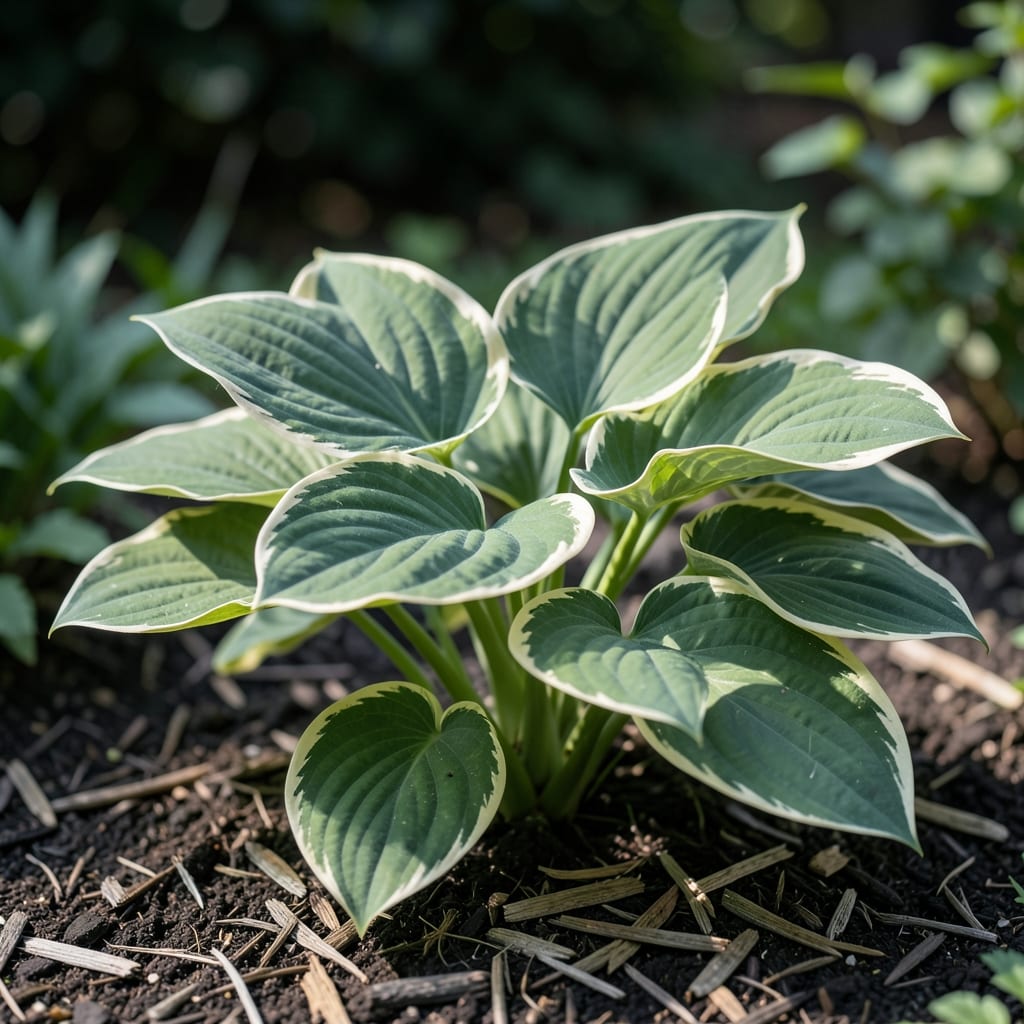
Hostas are generally frost tolerant in their dormant state, surviving winter temperatures down to USDA zones 3-4. However, new growth and active foliage can be damaged by late spring or early fall frosts.
I’ve seen these perennials bounce back year after year, even in harsh winters, because their underground crowns stay protected when dormant. The real vulnerability comes with tender new shoots in spring or late-season frosts that catch them off guard. 🌟
Mulching with 2-3 inches of organic material helps insulate the roots, while frost cloth can shield emerging foliage during unpredictable temperature swings.
💡 In This Article
Hostas enter a dormant state as temperatures drop, shifting energy from foliage to their underground crowns and rhizomes. This biological shutdown reduces metabolic activity, allowing them to conserve resources and survive freezing temperatures. The crowns, located just below the soil surface, contain stored carbohydrates that fuel regrowth when spring arrives. 🌟
These plants have developed thick, fleshy roots that act as natural insulation against cold. In USDA zones 3-4, where winter temperatures can plunge to -30°F, hostas can persist because their root systems remain viable beneath the frost line. The soil itself provides additional protection, typically staying 5-10°F warmer than air temperature at root depth.
The key to their resilience lies in the timing of dormancy. Hostas begin preparing for winter as daylight shortens in fall, gradually hardening off their tissues. By the time the first hard frost (28°F or below) arrives, the above-ground foliage may die back, but the critical underground structures remain unharmed.
This process is similar to how tulips and daffodils survive winter.
However, the dormancy mechanism isn’t foolproof against extreme fluctuations. Rapid temperature swings can cause the soil to heave, potentially exposing crowns to damaging cold. Consistent snow cover acts as a natural insulator, while bare ground leaves plants more vulnerable to freeze-thaw cycles that can damage root systems.
Gardeners in colder climates often report that established hosta clumps show greater cold hardiness than newly planted specimens. This is because mature plants develop more extensive root systems and larger crowns with greater energy reserves. Varieties like ‘Halcyon’ and ‘Francee’ are particularly noted for their ability to withstand zone 3 conditions.
What’s fascinating is how hostas have evolved this survival strategy over millennia in their native Asian habitats, where they experience similar seasonal extremes. Their ability to go dormant and then vigorously regrow when conditions improve makes them one of the most reliable perennials for cold climates. ✨
Yes, established hostas will regrow after winter frost once dormant. Their underground crowns survive even in zone 3 winters, pushing up new shoots when soil warms in spring.
Late spring frosts can damage emerging foliage, turning leaves mushy and black. However, healthy crowns will produce new growth. Avoid pruning until you see fresh shoots.
In zone 5, a 2-3 inch mulch layer is usually sufficient. Focus on consistent coverage rather than thickness. Remove mulch gradually in spring as soil thaws.
Yes, but move pots to a protected area like a garage or against a building when frost threatens. Container roots are more vulnerable than in-ground plants to freezing.